Presentation
SPACE: Creating a culture of suicide prevention - Webinar slides
Mental Health, Suicide
View the slides for the SPACE: Creating a culture of suicide prevention webinar.







Bullying and incivility is a major problem in workplaces, homes, schools, and online. SafeCare BC and its members can play a role in creating safe, healthy, and civil workplaces. Below you will find some resources that will help you, your co-workers, and staff.
View the slides for the SPACE: Creating a culture of suicide prevention webinar.
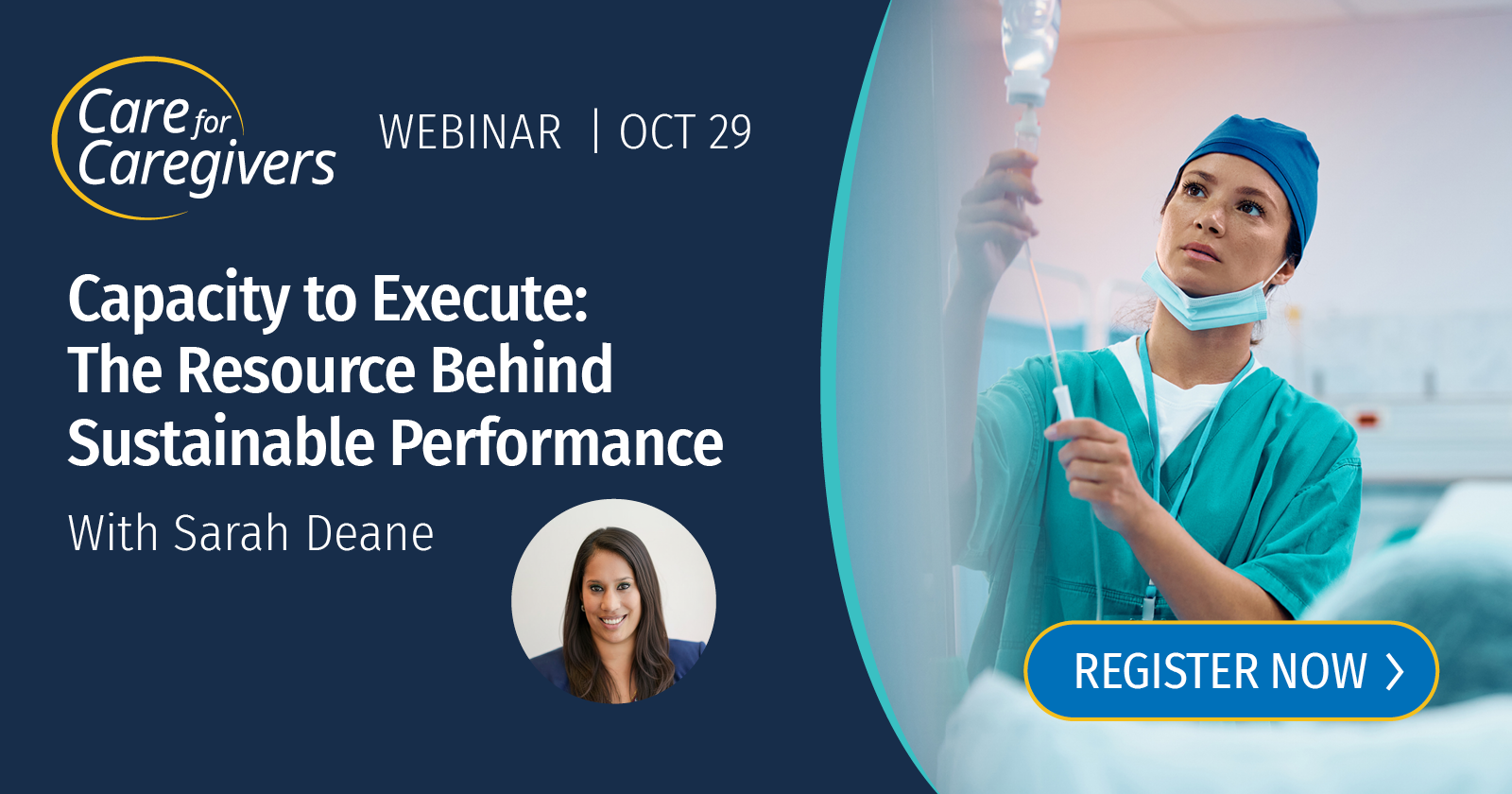
Leave with tactical, immediately usable micro-habits to build sustainable capacity — not simply to get through the day, but to continue your vital work while protecting the capacity that drives your performance, health, and relationships.
This fall, the Hearts and Hands conference for health care assistants will bring frontline care workers together for a day of learning, connection and celebration. In Langley, Jody Braam will lead a breakout session exploring...
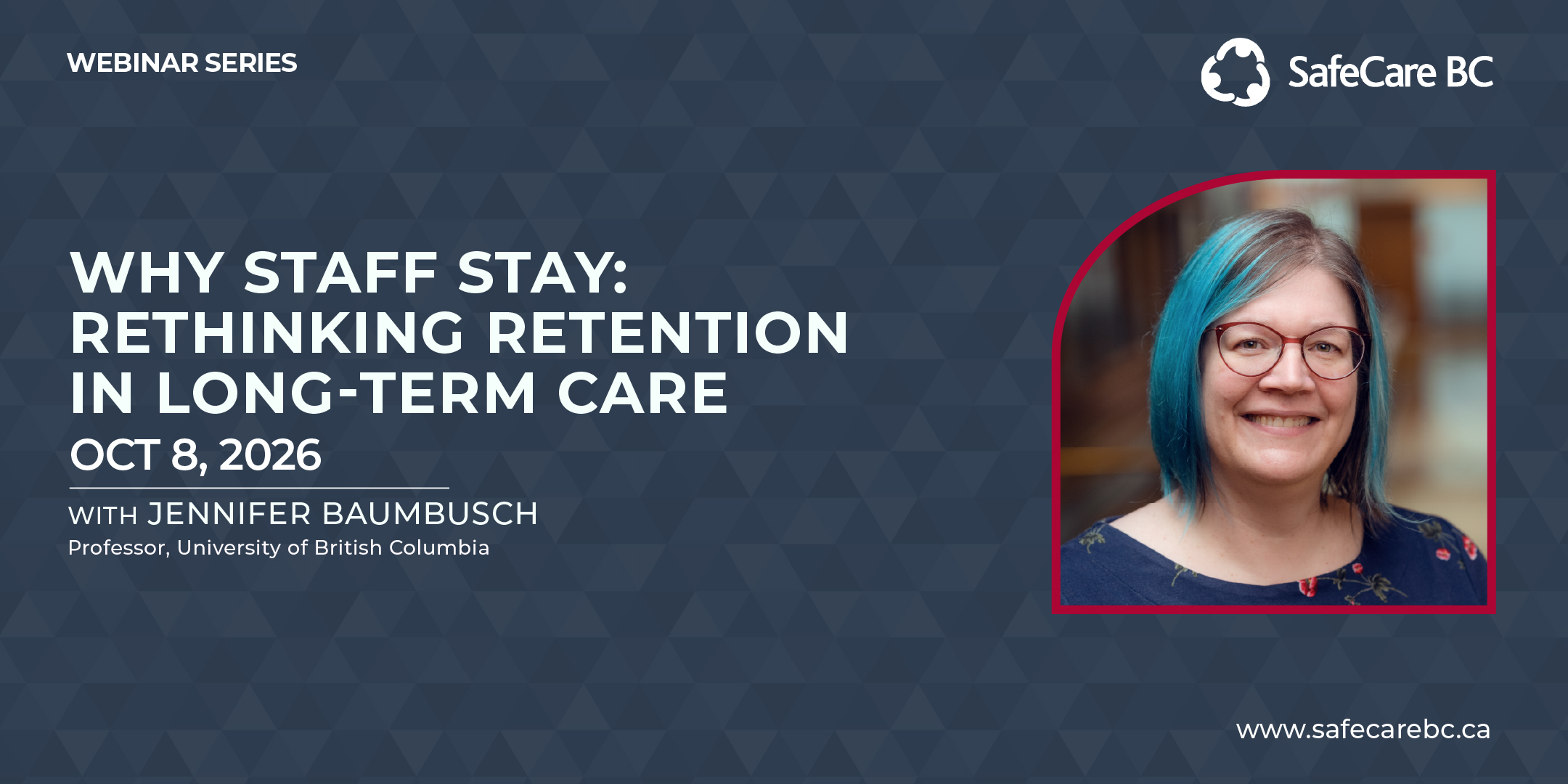
This webinar explores what organizations can realistically influence and where larger systemic change is needed.
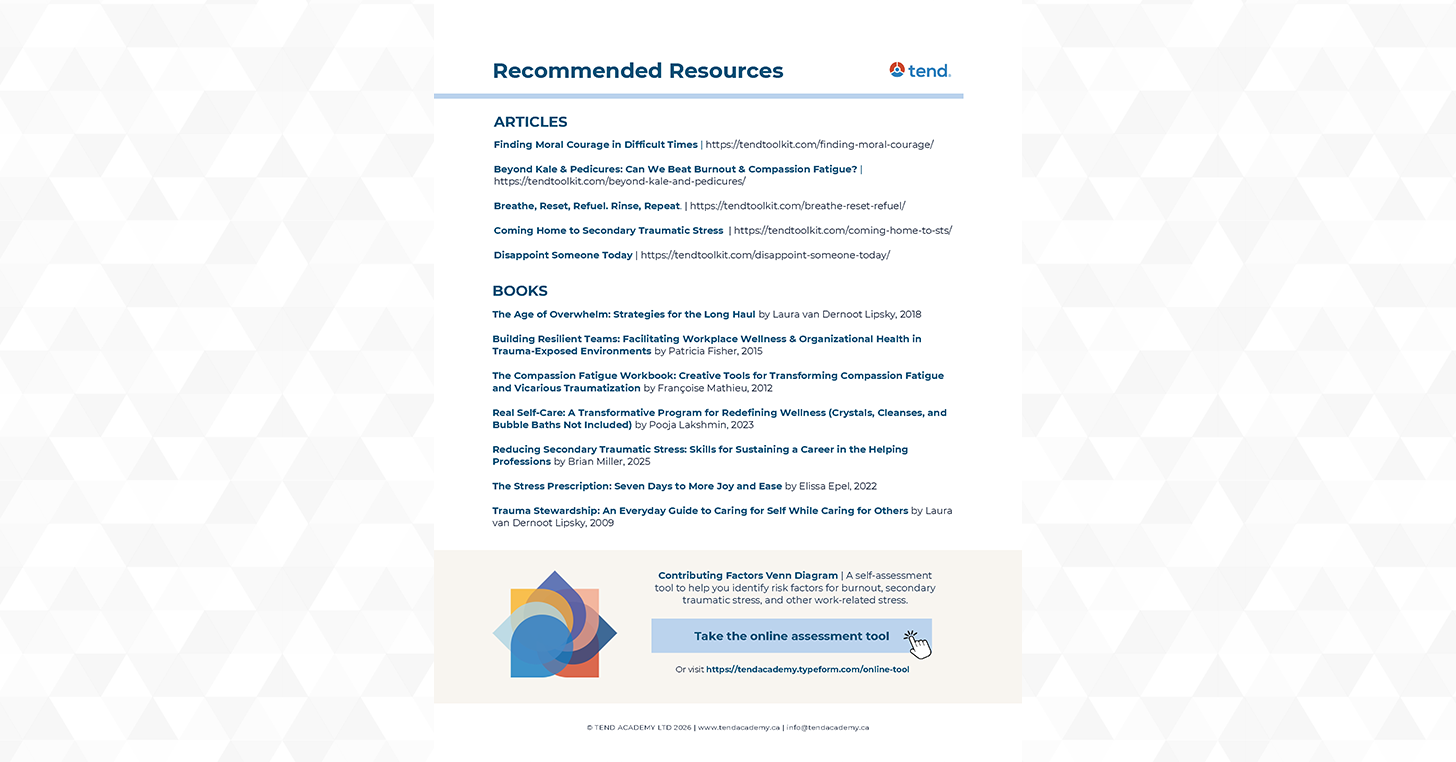
This handout contains resources related to the Compassion begins with curiosity webinar.
Explore simple, practical ways to notice and reduce stress while at work.