SafeCare BC Logo
SafeCare BC Logo
Resources & Tools

Resources and Tools

View All

Resources and services to support your well-being and psychological safety at work.
View Safety Topic

In long-term care it is increasingly apparent that who is on shift is just as important as how many staff are on shift. Quality care is difficult to achieve when we do not routinely engage with one another in a positive, or civil, manner.
View Toolkit
Programs & Services

Programs and Services

View All
We are dedicated to providing comprehensive occupational health and safety (OHS) consulting services tailored to your needs.
View Service

Psychological health and safety, often called workplace mental health, encompasses principles and practices to foster a supportive, respectful, and psychologically safe work environment.
View Service

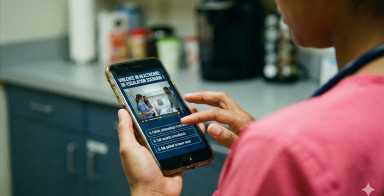
The Provincial Violence Prevention Curriculum is recognized as best-practice in violence prevention training for health care workers.
View Service
Guidelines & Regulations

Guidelines and Regulations

View All
WorkSafeBC is holding a second public hearing this month on proposed changes to the Occupational Health and Safety Regulation related to combustible dusts.
View News Story

Amendments to the Occupational Health and Safety Regulation (OHSR), Part 5: Chemical Agents and Biological Agents – Emergency Planning came into effect on February 3, 2025. Changes include additional requirements to minimize the risk, likelihood, and harm caused by an emergency involving hazardous substances.   Hazardous substances include biological, chemical or physical hazards that may reasonably […]
View News Story
Poster

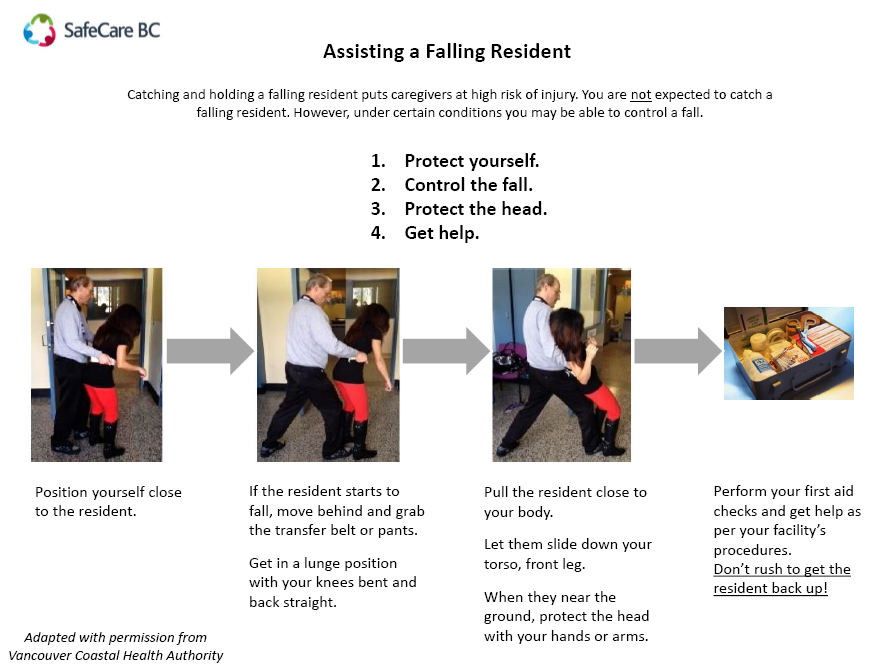
Assisting a Falling Resident

A printer-friendly poster on how to safely assist a falling resident for caregivers.
Assisting a falling resident [poster]

Catching and holding a falling resident poses a significant risk of injury to caregivers. You are not expected to catch a falling resident. However, under certain conditions, you may be able to control a fall.

Catching and holding a falling resident poses a significant risk of injury to caregivers. You are not expected to catch a falling resident. However, under certain conditions, you may be able to control a fall.

Downloads
Assisting a falling resident [poster]
Catching and holding a falling resident poses a significant risk of injury to caregivers. You are not expected to catch a falling resident. However, under certain conditions, you may be able to control a fall.
Download
379.4KB
Assisting a Falling Resident

Additional Resources

WorkSafeBC’s healthcare and social services planned inspection initiative focuses on high-risk activities in the workplace that lead to serious injuries and time-loss claims.
View News Story

More Posters

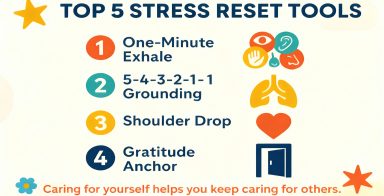
Caring for yourself helps you keep caring for others.
Files Attached
View Poster
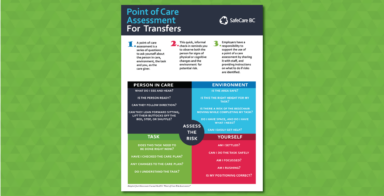
A point of care risk assessment for transfers is a quick mini-appraisal you, the health care worker, do to make sure a person’s abilities still match what’s in their care plan. It doesn’t replace the typical risk assessment completed as part of a person’s care plan. Rather, it’s a tool you use in addition to the care plan assessments.
Files Attached
View Poster
Spread the Word - Posters - SafeCare BC
Files Attached
View Poster
The hierarchy of controls details a specific order to follow when assessing and controlling risk.
Files Attached
View Poster
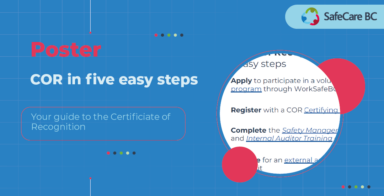
Applying for the Certificate of Recognition is easy. Use this poster to help guide you through the process.
Files Attached
View Poster
Employers are required by WorkSafeBC to post the names and work locations of Joint Occupational Health and Safety Committee members on their safety board. Below, you'll find templates and sample documents in PDF and Word formats to help you comply with this regulation.
Files Attached
View Poster
Spread the word about Hearts and Hands. Hang this poster in your workplace!
Files Attached
View Poster
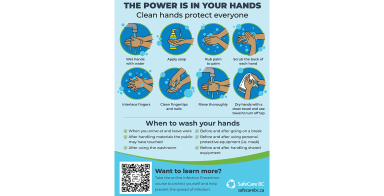
Use this poster to show the proper handwashing process.
Files Attached
View Poster
Browse by Resource Type
SafeCare BC Logo
©2025 SafeCare BC | All rights reserved.
We strive to empower those working in the continuing care sector to create safer, healthier workplaces by fostering a culture of safety through evidence-based education, leadership, and collaboration.
cross