Resources and Tools
View All

Webinar
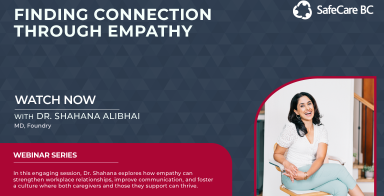
Civility under pressure
Learn practical communication tools to navigate challenging interactions while fostering a more respectful and psychologically healthy workplace.
View Webinar
Resource
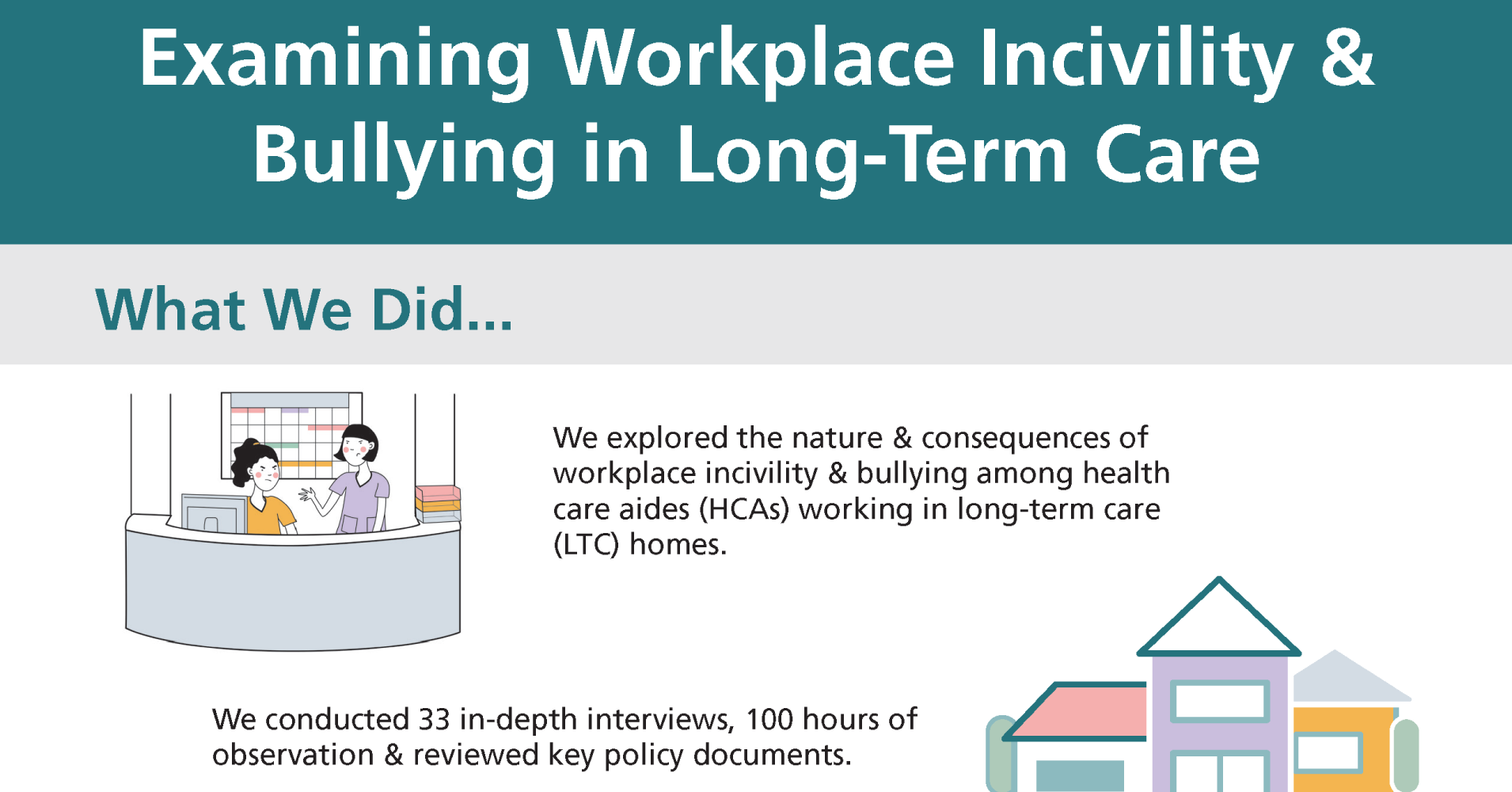
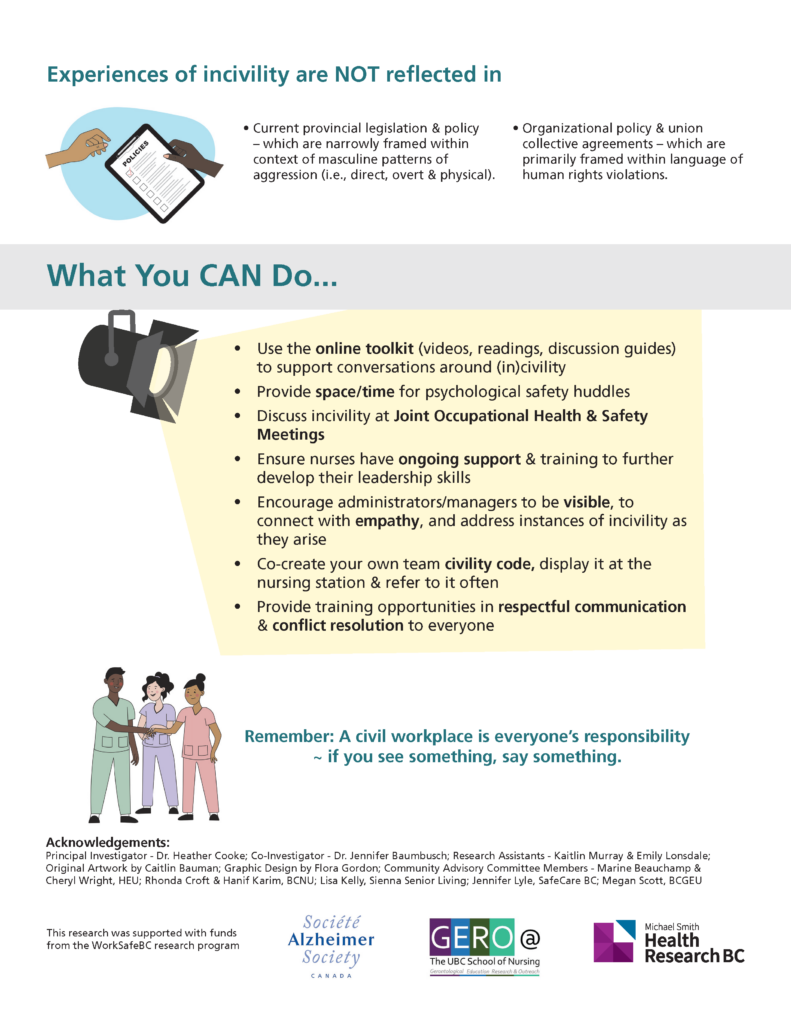
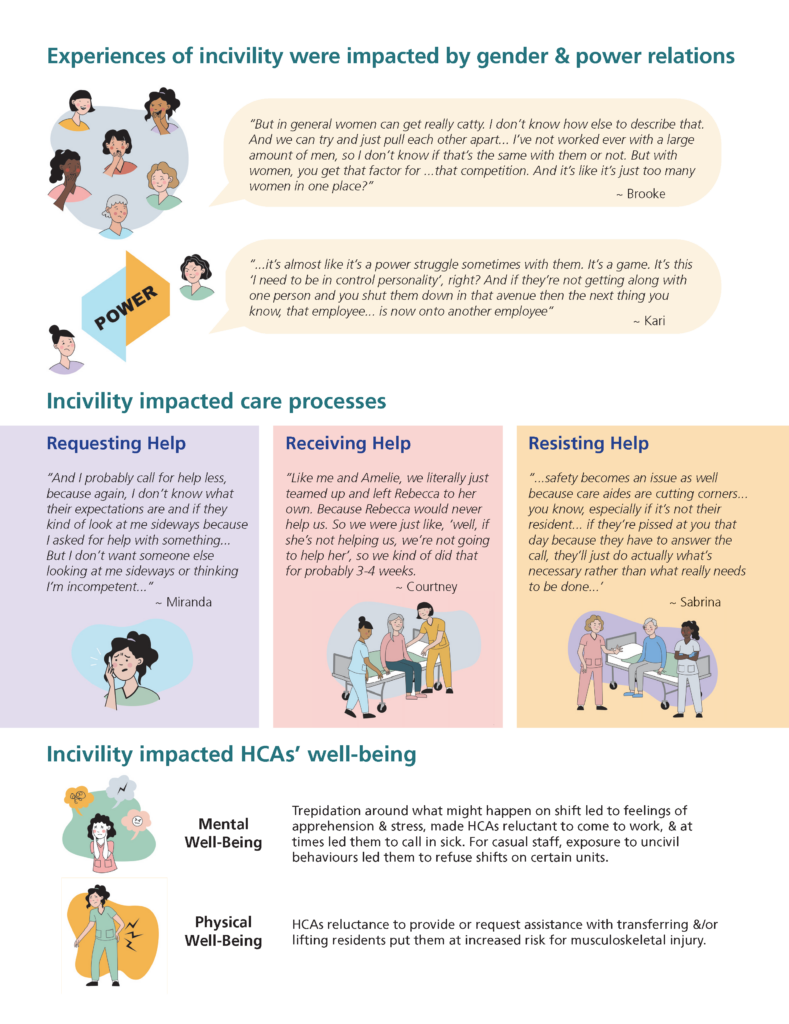
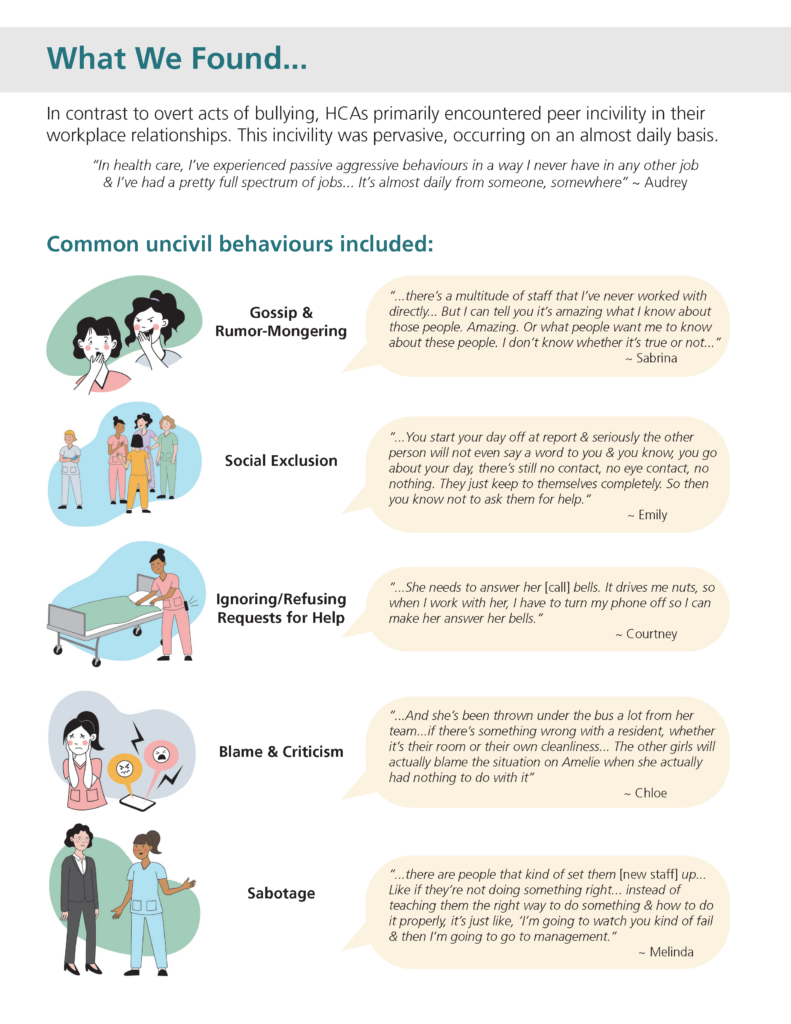
Civility Matters Toolkit
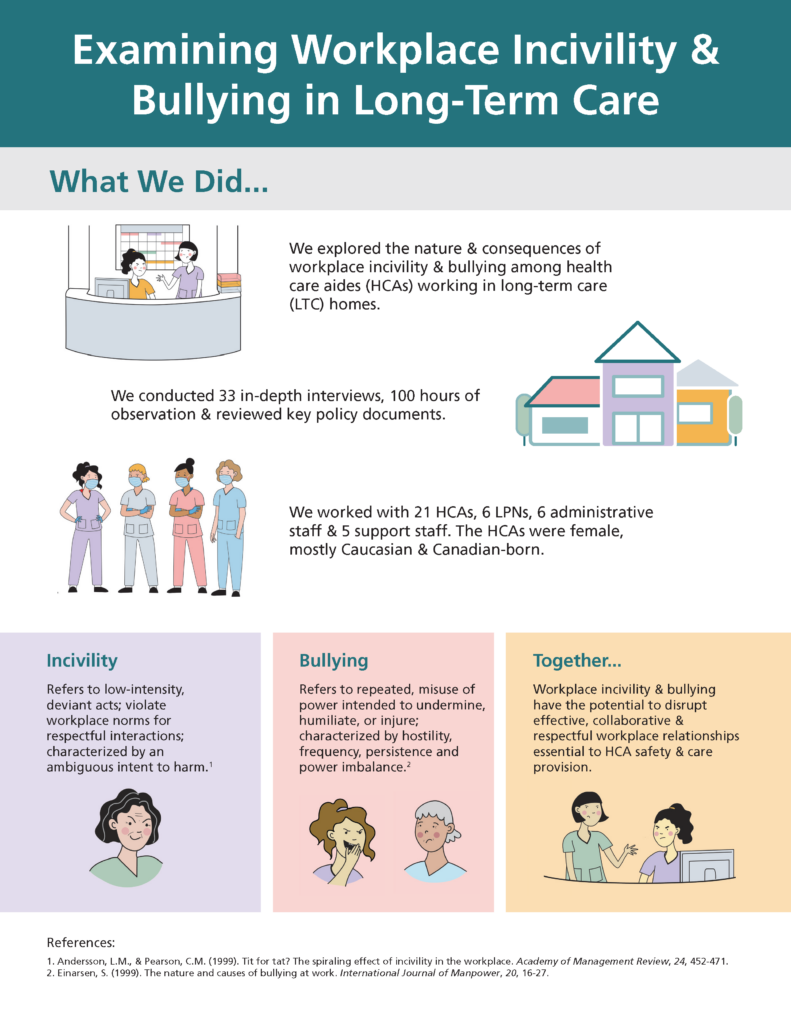
Quality care is difficult to achieve when we do not routinely engage with one another in a positive, or civil, manner.
View ResourceTraining and Education
View All
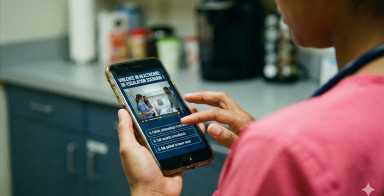
Immersive learning
OntheJob violence prevention training: Real scenarios. Real insights. Safer workplaces.
Ready to tackle violence prevention in healthcare? Discover our immersive, scenario-based training that identifies hidden risks and boosts your team's competency!
View Immersive learningPrograms and Services
View All

We are dedicated to providing comprehensive occupational health and safety (OHS) consulting services tailored to your needs.
View Service
Psychological health and safety, often called workplace mental health, encompasses principles and practices to foster a supportive, respectful, and psychologically safe work environment.
View Service
The Provincial Violence Prevention Curriculum is recognized as best-practice in violence prevention training for health care workers.
View ServiceGuidelines and Regulations
View All
News Story
Postponed: Proposed Occupational Health and Safety Regulatory changes for psychological health, harassment and violence
September 25, 2026
WorkSafeBC has paused its consultations on proposed changes to the Occupational Health and Safety Regulation addressing psychological health and safety, harassment, and violence. The pause is due to the provincial election and is procedural; it does not indicate that a decision has been made about the proposed changes. The proposals would introduce significant new and […]
View News StoryNews Story
Proposed Occupational Health and Safety Regulatory changes for psychological health, harassment and violence
September 8, 2026
WorkSafeBC has paused its consultations on proposed changes to the Occupational Health and Safety Regulation addressing psychological health and safety, harassment, and violence. The pause is due to the provincial election and is procedural; it does not indicate that a decision has been made about the proposed changes.
View News Story