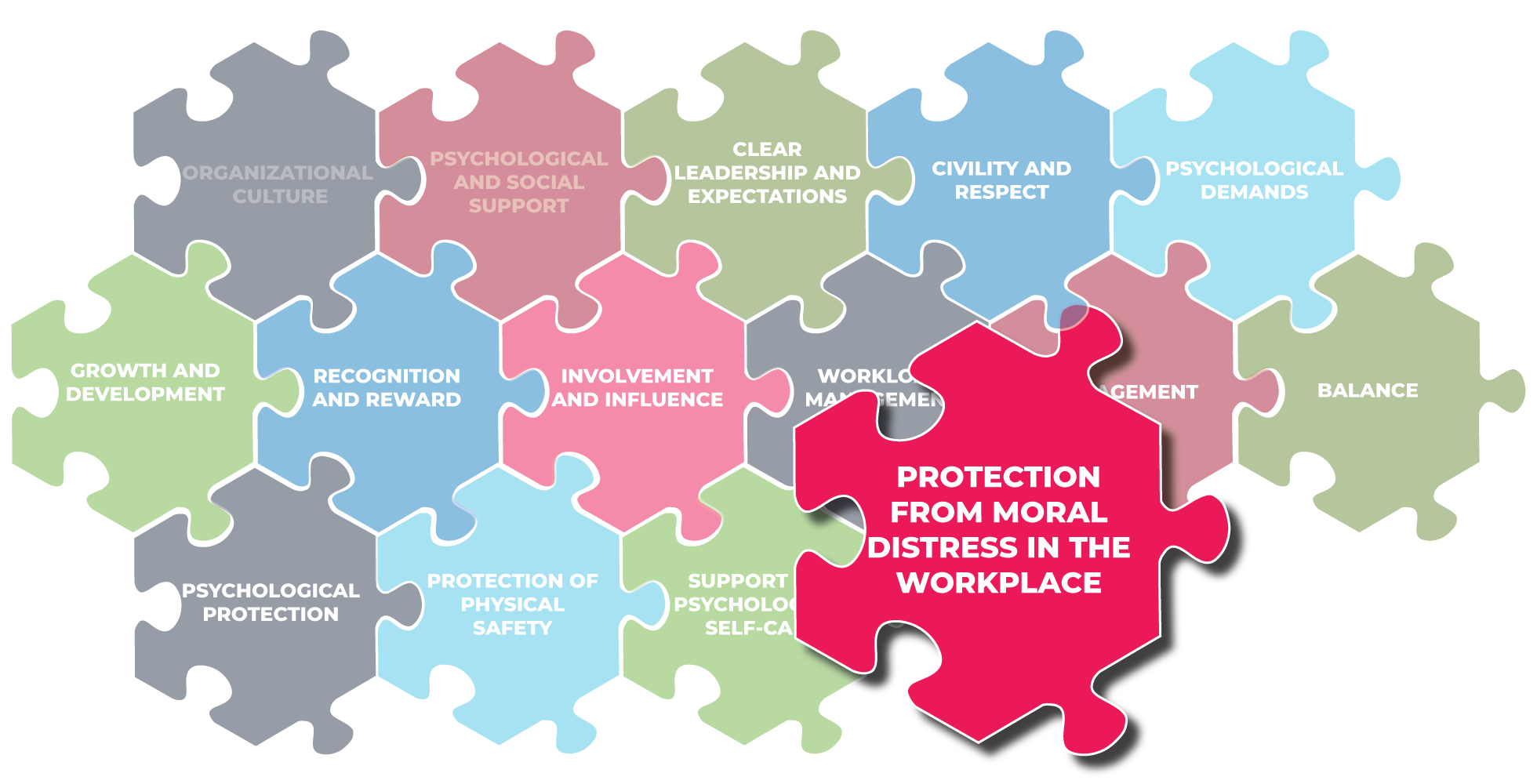
It occurs when there is a perceived conflict between what healthcare professionals believe is the right course of action and what they can do within their work environment. Creating a safe and supportive environment for healthcare professionals to express their concerns and provide feedback on their ethical challenges is essential.
In LTC facilities, healthcare professionals often encounter challenging situations where they must make difficult ethical decisions regarding patient care, treatment, and end-of-life issues. However, systemic factors such as staffing shortages, resource limitations, bureaucratic red tape, and conflicting priorities may hinder their ability to provide care consistent with their values and ethical standards. This discrepancy between ideals and reality can lead to frustration, guilt, moral uncertainty, and moral residue among healthcare professionals.
To address moral distress effectively, creating a safe and supportive environment where healthcare professionals feel empowered to express their concerns, voice ethical dilemmas, and provide feedback on their challenges is crucial. By acknowledging and addressing moral distress, organizations can promote ethical practice, enhance workplace satisfaction, reduce burnout, and ultimately improve the quality of care provided to patients and residents in LTC settings.
Preventing moral distress:
- Ethical Practice: Protecting healthcare professionals from moral distress underscores the importance of upholding ethical practice in healthcare settings. It emphasizes the need for alignment between organizational policies, practices, and ethical principles to ensure healthcare professionals can act according to their moral compass.
- Supportive Environment: Creating a supportive environment is essential for effectively addressing moral distress. This involves fostering open communication, providing opportunities for ethical reflection and dialogue, and offering emotional support and resources to healthcare professionals facing moral challenges.
- Empowerment: Empowering healthcare professionals to voice their concerns and advocate for ethical care is a core theme of protecting against moral distress. It involves promoting a culture of psychological safety where individuals feel empowered to speak up, challenge unethical practices, and collaborate on solutions to ethical dilemmas.
- Organizational Responsibility: Organizations are responsible for mitigating factors that contribute to moral distress and creating conditions conducive to ethical practice. This includes addressing systemic issues such as staffing shortages, inadequate resources, and ineffective policies that may undermine healthcare professionals' ability to provide ethically sound care.
- Ethical Decision-Making: Encouraging ethical decision-making processes is essential for protecting against moral distress. This involves providing education and training on ethical principles, facilitating interdisciplinary collaboration, and implementing decision-making frameworks that prioritize patient welfare and uphold professional integrity.
Leadership and Management Strategies
Leaders play a crucial role in mitigating moral distress among healthcare professionals. Here are some unique strategies leaders can implement to protect against moral distress:
- Ethical Consultation Teams: Establish multidisciplinary ethical consultation teams comprised of ethicists, healthcare professionals, and organizational leaders. These teams can provide guidance, support, and ethical analysis for complex cases, helping frontline staff navigate challenging ethical dilemmas and reduce moral distress.
- Ethical Decision-Making Frameworks: Develop and implement clear ethical decision-making frameworks or algorithms that guide healthcare professionals in navigating ethical dilemmas. These frameworks can provide structured approaches for analyzing ethical issues, identifying potential courses of action, and involving relevant stakeholders in decision-making processes.
- Ethics Training and Education: Provide ongoing ethics training and education for healthcare professionals at all levels of the organization. This training can include ethical principles, communication skills, conflict resolution strategies, and moral resilience techniques to effectively empower individuals to address moral distress.
- Supportive Supervision and Leadership: Foster a supportive supervision and leadership culture that encourages open communication, transparency, and psychological safety. Leaders should be accessible and approachable, actively listening to staff concerns, advocating for ethical practice, and addressing systemic issues contributing to moral distress.
- Regular Moral Rounds: Implement regular moral rounds or ethics rounds where healthcare teams come together to discuss ethical issues, reflect on moral challenges encountered in practice, and identify opportunities for improvement. These rounds promote collaboration, shared decision-making, and collective problem-solving to address moral distress at the grassroots level.
- Feedback Mechanisms: Establish formal feedback mechanisms, such as anonymous reporting systems or ethics hotlines, where healthcare professionals can raise ethical concerns, report moral distress, and provide suggestions for improvement. Leadership should actively solicit and respond to feedback to address issues promptly and effectively.
Tools for workers
Frontline workers can proactively protect themselves from moral distress and mitigate its impact. Here are some unique strategies they can implement:
- Self-Care Practices: Prioritize self-care practices that promote physical, emotional, and psychological well-being. Engage in mindfulness meditation, exercise, hobbies, and spending time with loved ones to recharge and replenish your energy reserves.
- Mindful Reflection: Set aside time for conscious reflection to process challenging situations and ethical dilemmas encountered in practice. Reflect on your values, beliefs, and motivations, and consider how they influence your responses to moral distress.
- Seek Support: Connect with peers who understand the unique challenges of frontline work and can provide empathy, validation, and support. Speak with your team lead for space to debrief or contact EFAP or other counselling support.
- Set Boundaries: Establish clear boundaries between work and personal life to prevent burnout and maintain balance. Practice saying no to unreasonable demands or requests that compromise your well-being or ethical integrity.
- Use Ethics Resources: Familiarize yourself with available ethics resources, such as ethics committees, consultation services, professional associations, and human resources, that can provide guidance and support in navigating ethical dilemmas. Seek assistance from ethicists or social workers trained in ethics to help you analyze complex cases and make informed decisions.
- Practice Ethical Decision-Making: Develop a structured approach to ethical decision-making that effectively helps you navigate complex ethical dilemmas. Use frameworks or the ethical decision-making model to analyze ethical issues, identify options, and make informed decisions that align with your values and ethical principles.