SafeCare BC Logo
SafeCare BC Logo
Resources & Tools

Resources and Tools

View All
October 27 @ 12:00pm to 1:00pm
Learn practical communication tools to navigate challenging interactions while fostering a more respectful and psychologically healthy workplace.
View Webinar

Quality care is difficult to achieve when we do not routinely engage with one another in a positive, or civil, manner.
View Resource
Programs & Services

Programs and Services

View All
We are dedicated to providing comprehensive occupational health and safety (OHS) consulting services tailored to your needs.
View Service

Psychological health and safety, often called workplace mental health, encompasses principles and practices to foster a supportive, respectful, and psychologically safe work environment.
View Service

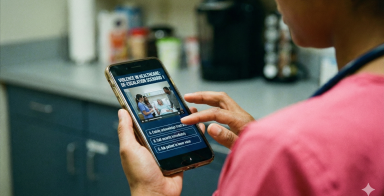
The Provincial Violence Prevention Curriculum is recognized as best-practice in violence prevention training for health care workers.
View Service
Guidelines & Regulations

Guidelines and Regulations

View All
WorkSafeBC has paused its consultations on proposed changes to the Occupational Health and Safety Regulation addressing psychological health and safety, harassment, and violence. The pause is due to the provincial election and is procedural; it does not indicate that a decision has been made about the proposed changes.  The proposals would introduce significant new and […]
View News Story
WorkSafeBC has paused its consultations on proposed changes to the Occupational Health and Safety Regulation addressing psychological health and safety, harassment, and violence. The pause is due to the provincial election and is procedural; it does not indicate that a decision has been made about the proposed changes.
View News Story
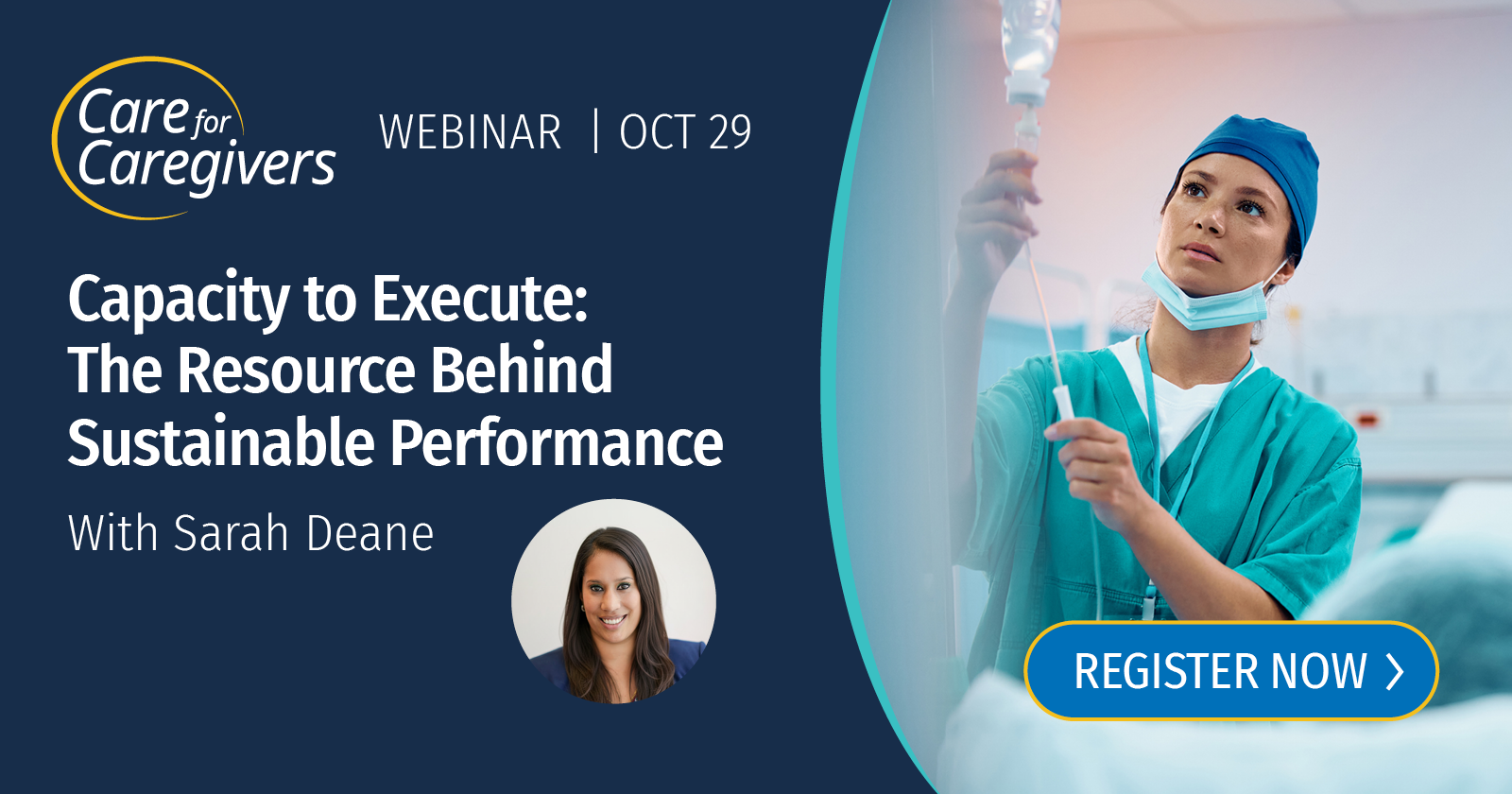
Webinar

Capacity to execute: The resource behind sustainable performance

Leave with tactical, immediately usable micro-habits to build sustainable capacity — not simply to get through the day, but to continue your vital work while protecting the capacity that drives your performance, health, and relationships.

Energy is one of the most important — and most overlooked — drivers of focus, resilience, decision-making, and how well you show up day to day. This session introduces “capacity to execute” as a resource that can be strengthened over time. It shapes your ability to access the cognitive and emotional systems you need in the moment, under pressure, and over time: the clarity to think, the steadiness to stay present, the judgment to respond effectively.
Grounded in nearly a decade of research and real-world application, this session builds on what you already know about wellbeing by exploring the cognitive, behavioral, and relational patterns that can affect your energy and capacity. This is particularly relevant in roles like yours, where the mental, emotional, and relational demands are high every day.


Through science-based insights, guided self-reflection, and hands-on practice, you'll learn to recognize your own patterns and where you sit on the capacity continuum. You’ll also explore a practical four-part framework — plugging energy leaks, increasing energy, optimizing how you spend it, and managing relational energy — to start shifting it upward. You'll leave with tactical, immediately usable micro-habits to build sustainable capacity — not simply to get through the day, but to continue your vital work while protecting the capacity that drives your performance, health, and relationships.

Objectives:
By the end of this session, participants will be able to:

  1. Understand what capacity to execute is, its role in sustainable performance and recognize where they currently sit on the capacity continuum.
  2. Apply a four-part framework for managing personal energy — plugging energy leaks, increasing energy, optimizing how it's spent, and managing relational energy.
  3. Implement tactical, immediately usable micro-habits that protect performance, health, and relationships.

Please note that this webinar will NOT be recorded.

Register
Speakers

Presented by

Sarah Deane is a researcher, author, and founder advancing the science of human energy and performance. As CEO of MEvolution, she develops evidence-based systems that combine behavioral and cognitive science with artificial intelligence to help individuals and organizations measure, master, and sustain peak human capacity. Sarah’s qualifications and achievements include a Master of Engineering in Computer Science and Artificial Intelligence. She has traveled extensively to study human behavior, led the Worldwide Employee Workplace Experience Program and team at HP serving over 320,000 employees globally, and authored “The Wellness Formula” based on her research. She has presented at conferences such as SXSW, HRWest and Gartner. Sarah’s insights and commentary can be found on numerous platforms, including Fast Company, the Wall Street Journal, Huffington Post, Thrive Global, HR.com, SHRM, CMSWire, Reworked, CIO Magazine, and more. She also teaches her highly rated courses at Stanford University Continuing Studies, focusing on the power of personal energy management, coaches leaders to become positively energized and develops strategies for creating positively energized workplace cultures.

Resources Related to ,

The Working Mind for Managers and Leaders Workshop
SafeCare BC Training Centre - Burnaby
April 15 @ 8:30am to 4:30pm
Starting at $35
April 15 @ 8:30am to 4:30pm
SafeCare BC Training Centre, Burnaby
View Workshop
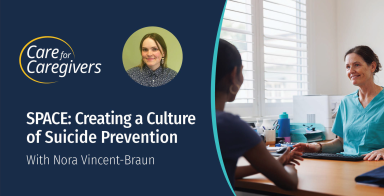
View the slides for the SPACE: Creating a culture of suicide prevention webinar.
Files Attached
View Presentation
This fall, the Hearts and Hands conference for health care assistants will bring frontline care workers together for a day of learning, connection and celebration. In Langley, Jody Braam will lead a breakout session exploring what it means to truly listen in dementia care, even when words are no longer there.   Jody Braam was […]
View News Story
Explore simple, practical ways to notice and reduce stress while at work.
View Webinar
SafeCare BC Logo
©2026 SafeCare BC | All rights reserved.
To empower workplaces that provide care to create a culture of safety through evidence-based education, advocacy for safer workplaces, leadership, and collaboration
cross