There’s a strange thing that happens when you become very good at holding everything together. People stop asking if you are okay.
You show up, do the work, care for the people who need you and become the person others can rely on. Somewhere along the way, carrying too much can start to look a lot like success.
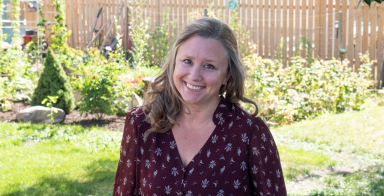
Brandi Heather knows that feeling.
For years, she was an award-winning college professor, presenting her work internationally, teaching, creating programs and building a career she was proud of. From the outside, things looked good. Behind closed doors, Brandi was struggling.
Eventually, the pressure caught up with her. She was told she would never work full-time again. It changed the direction of her life, but it also forced her to look differently at something that had always been part of who she was.
Play.
Long before Brandi began studying the science behind it, she grew up in a home where creativity was simply part of everyday life. Her father was an artist, and there were few rules around where or how creativity could happen. She could build things, experiment and even paint on the walls.
That freedom followed her into adulthood. As a professor, Brandi became the person walking down college hallways carrying rubber chickens and hula hoops, always willing to try something unexpected if it helped someone learn or connect.
At the time, she didn’t necessarily think of play as something important to wellbeing; it was simply how she approached the world. That began to change through her work with children living with disabilities, and with their families.
Brandi helped create what was originally designed as a structured movement program. The adults planned the activities, organized the space and had a clear idea of how the program was supposed to work. Then they began letting the children lead, and the structure loosened. Movement became play, and Brandi noticed something happening that went far beyond the activities themselves.
Families who were used to navigating appointments, stress and constant decision-making began to relax and connect with one another differently. Laughter and care were present in rooms where they had been absent before.
What started with a small number of families grew into a space people wanted to return to. Brandi realized then they had created an environment where people felt safe enough to put down some of what they were carrying.
“We take that backpack full of expectation and hurt and all those things, we take that off at the door and we just come to play,” she said.
That backpack has since become one of the ways Brandi talks about pressure. Imagine carrying fifty pounds on your back through an ordinary workday. You still need to make decisions, solve problems, care for other people, stay patient and keep moving. None of your responsibilities disappear, but everything requires more effort because of the weight you are already carrying.
After working with people across healthcare, education and business, Brandi has noticed one thing does not change much between industries.
“Everyone’s carrying a lot.”
For her, Playful Intelligence™ is not about pretending that weight doesn’t exist, but rather, what becomes possible when we loosen its grip, even briefly.
Play, in Brandi’s definition, isn’t just an activity or something silly we do for fun. It’s a state where we feel capable, creative, connected and willing to try. Under pressure, those qualities can become harder to access. We rely on what is familiar, repeat approaches that aren’t working and become less willing to take a chance on something different.
Play creates room for another possibility.
That is one reason Brandi believes it belongs in serious work and why bringing this message to Hearts & Hands feels particularly meaningful. For more than two decades, Brandi has been connected to the education and work of healthcare professionals. She has watched people learn the work, enter practice and experience both the meaning and the pressure that comes with caring for others.
For her, speaking at Hearts & Hands feels like coming home. She knows healthcare assistants spend much of their day paying attention to everyone else. They notice the things that make someone feel known, like remembering exactly how many sugars a resident takes in their tea.
Brandi sees creativity, connection and Playful Intelligence in those moments already.
Her goal at Hearts & Hands isn’t to tell healthcare assistants they need to add something else to their day. In fact, it’s the opposite. For the time she has with them, she wants to help take some weight out of the backpack. Ultimately, she wants people to laugh, connect and see themselves through a different lens. When they leave the room, she hopes they recognize strengths they may have stopped noticing in themselves.
“I didn’t realize how capable I am. I didn’t realize how special what I do is,” Brandi said, describing what she hopes attendees will be thinking after her keynote.
More than anything, she wants them to leave feeling seen, heard and valued. And reconnecting with play doesn’t have to mean changing your life.
Brandi suggests starting much smaller, noticing just one thing.
Maybe it’s the smell of fresh rain when you step outside, a conversation that makes you laugh, or a moment in the middle of a busy day when you realize your shoulders have dropped.
The hard things are still there, but for a moment, they aren’t the only things you can see.
For Brandi, finding play again is less about changing who you are and more about making room for the part of you that pressure pushed aside.