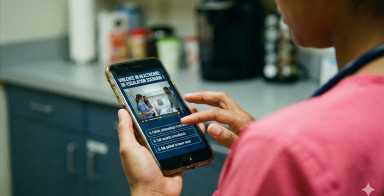
Ready to tackle violence prevention in healthcare? Discover our immersive, scenario-based training that identifies hidden risks and boosts your team's competency!
Psychological health and safety, often called workplace mental health, encompasses principles and practices to foster a supportive, respectful, and psychologically safe work environment.
WorkSafeBC has paused its consultations on proposed changes to the Occupational Health and Safety Regulation addressing psychological health and safety, harassment, and violence. The pause is due to the provincial election and is procedural; it does not indicate that a decision has been made about the proposed changes. The proposals would introduce significant new and […]
WorkSafeBC has paused its consultations on proposed changes to the Occupational Health and Safety Regulation addressing psychological health and safety, harassment, and violence. The pause is due to the provincial election and is procedural; it does not indicate that a decision has been made about the proposed changes.
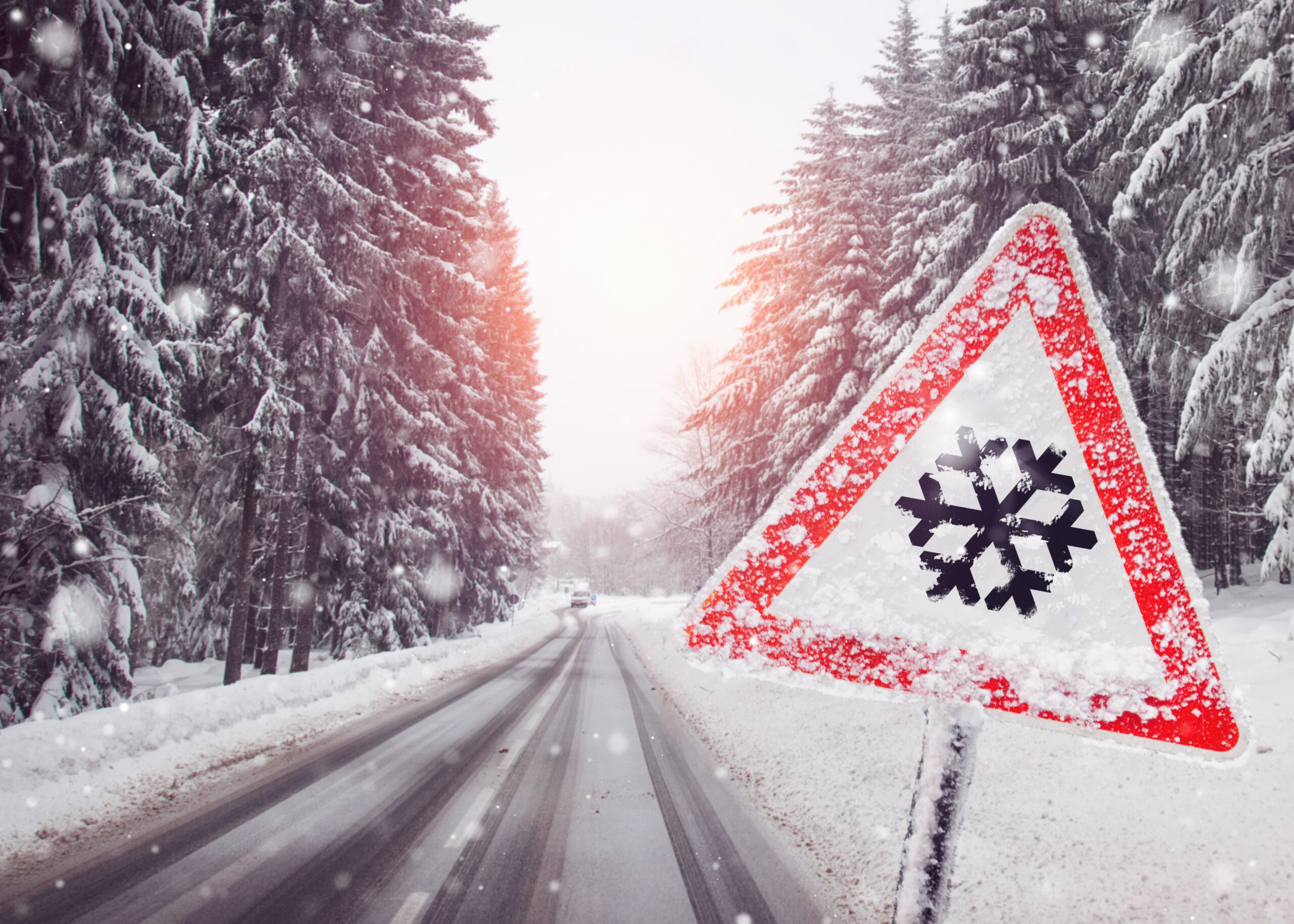
Recognize winter hazards, plan for changing conditions, and take action to protect physical and psychological safety.
Winter can change the way work gets done. Snow, ice, freezing temperatures, rain, reduced daylight, and poor visibility can increase the risk of slips, trips, falls, cold exposure, and vehicle incidents. Difficult commutes, changing routines, and added workload can also contribute to stress and fatigue.
Winter safety is a shared responsibility. Workers need clear ways to report concerns and respond when conditions change. Employers and supervisors need to plan ahead, maintain safe work areas, communicate expectations, and adjust work when conditions are unsafe.
Start with a winter safety check
Before a shift, home visit, or work-related trip, take a moment to check the conditions around you.
Check the weather, alerts, and road conditions.
Look for snow, ice, slush, water, poor lighting, and blocked or uneven walkways.
Wear clothing and footwear that suit the conditions.
Allow more time so you do not have to rush.
Know how to report a hazard, delay, or unsafe condition.
Common winter hazards
Slips, trips, and falls
Ice, black ice, snow, slush, mud, and standing water
Wet floors, loose mats, and moisture tracked indoors
Snow-covered or uneven sidewalks, ramps, driveways, stairs, and parking areas
Poor lighting, shorter daylight hours, and weather that limits visibility
Clutter, cords, equipment, or items that block the walking path
Carrying items that block your view or make it harder to use a handrail
Rushing because of delays, workload, or staffing pressure
Cold exposure
Waiting outdoors or walking between a vehicle and a work location
Working in a poorly heated home or during a power outage
Wet clothing or footwear, inadequate winter clothing, and wind chill
Reduced dexterity, coordination, and concentration when exposed to cold
Cold-related illness, including frostbite and hypothermia
Winter driving
Snow, ice, black ice, slush, flooding, and changing road conditions
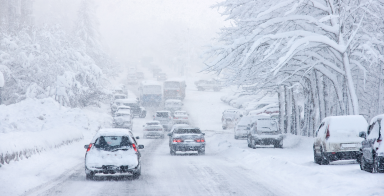
Heavy snow, freezing rain, and reduced visibility
Vehicle breakdowns or vehicles that are not prepared for winter
Fatigue, stress, and longer travel times
Other winter hazards
Strain or musculoskeletal injury from manual snow and ice removal
Dark parking areas, driveways, walkways, and stairs
Severe weather, flooding, and power outages
Stress, fatigue, lower mood, reduced motivation, or difficulty concentrating
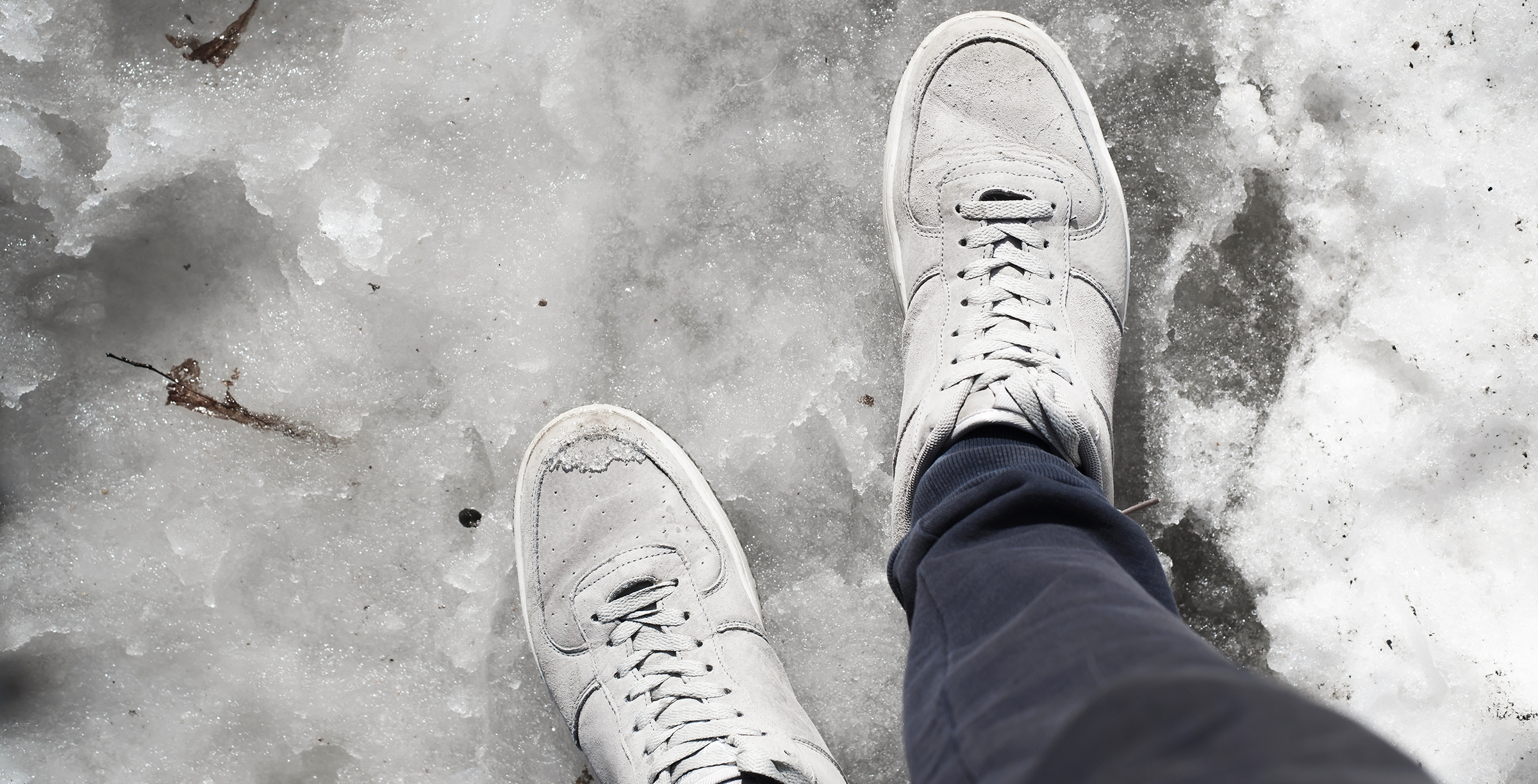
Prevent slips, trips, and falls
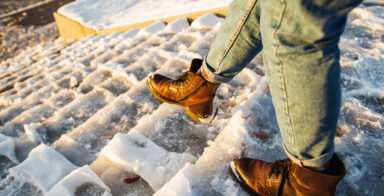
Pay close attention to entrances, sidewalks, ramps, stairs, parking areas, and frequently used walkways. Conditions can change quickly as snow melts, water is tracked inside, or temperatures fall.
Wear water-resistant, insulated footwear with good traction when conditions require it.
Take short steps and move at a slower pace on wet, snowy, or icy surfaces.
Use cleared and well-lit routes. Use handrails where they are available.
Keep your hands free when possible and avoid carrying items that block your view.
Report snow, ice, water, damaged walkways, poor lighting, loose mats, and other hazards promptly.
Use required controls, such as snow and ice removal, absorbent mats, signage, and barriers.
Avoid rushing, even when the weather, workload, or staffing levels create added pressure.
For home support workers
A client's home and the surrounding property are part of the work environment. Before entering, assess the driveway, walkway, stairs, entrance, lighting, and indoor flooring.
If access is unsafe because of snow, ice, flooding, poor lighting, or another hazard, do not try to manage the risk alone. Follow your organization's procedure for reporting the concern and deciding whether the visit can proceed safely. Tell the appropriate supervisor about delays or changing conditions as soon as you can.
Plan for winter driving
When you drive between clients or as part of your duties, the vehicle is part of your workplace. Prepare before each trip and adjust your plan as conditions change.
Check current weather, road conditions, and travel advisories before leaving.
Allow more time and adjust your speed and following distance for the conditions.
Make sure the vehicle is maintained and equipped according to your organization's procedures.
Clear snow and ice from windows, mirrors, lights, and other areas that affect visibility.
Carry the emergency supplies required by your organization.
Communicate delays, unsafe conditions, or vehicle concerns to the appropriate supervisor.
Follow your organization's winter-weather and travel procedures. Do not proceed when the organization determines that travel is unsafe.
Protect yourself from cold exposure
Dress in layers and choose clothing that protects you from rain, snow, wind, and cold.
Change wet clothing or footwear as soon as practical.
Use warm-up breaks and heated spaces according to your workplace procedures.
Learn the signs of frostbite and hypothermia and know what to do if you notice them.
Report situations that could lead to prolonged cold exposure, such as waiting outside for access to a client's home.
Pay attention to psychological health and safety
Winter can affect people in different ways. Shorter daylight hours, difficult commutes, changes to routines, and added workload may contribute to stress, fatigue, lower mood, reduced motivation, or difficulty concentrating. These changes can affect a worker's well-being and ability to work safely.
Seasonal affective disorder, often called SAD, is a type of depression that follows a seasonal pattern and commonly occurs during fall and winter. Reduced exposure to daylight may be one factor, but the causes are complex. Symptoms can include persistent low mood, loss of interest or enjoyment, changes in sleep or appetite, low energy, difficulty concentrating, feelings of hopelessness, or withdrawing from usual activities.
Regular sleep and meal routines, physical activity, outdoor daylight when practical and safe, social connection, and appropriate breaks may support overall well-being. These steps are not a substitute for workplace support or health care. If symptoms persist, worsen, or affect daily life, consider speaking with a health care provider. Workers can also use available workplace supports, such as an employee assistance program.
Employers and supervisors can support psychological health and safety by monitoring workload, communicating during severe weather, checking in after difficult commutes or disruptions, and making reasonable adjustments where possible. Workers should be able to raise concerns without being expected to manage unsafe conditions alone.
Actions for employers and supervisors
Monitor weather and road conditions and use clear criteria to modify or suspend non-emergency work when conditions are hazardous.
Provide clear guidance on winter clothing, footwear, hazard reporting, travel, delays, and home-visit access.
Develop winter emergency plans and make sure workers understand what to do.
Provide information and training on winter driving, slips and falls, cold exposure, and safe snow removal.
Maintain and equip company vehicles for winter conditions and provide required emergency supplies.
Review workload, scheduling, and communication practices when severe weather affects staffing or travel.
Tell workers what psychological health supports are available and how to access them.
If conditions become unsafe
Stop and assess the situation. Move away from the immediate hazard if you can do so safely. Report the concern through your organization's process and contact the appropriate supervisor for direction. Follow the emergency, travel, or home-visit procedure that applies to your work. Do not rush or continue with work that your organization has determined cannot be done safely.
Review your workplace's winter-weather procedures before conditions change. Report hazards early, talk about winter safety with your team, and use the resources below to prepare for work, travel, and home visits.
Common hazards include ice, snow, slush, water, wet floors, poor lighting, cold exposure, reduced visibility, difficult road conditions, and power outages. Winter conditions can also contribute to fatigue, stress, and difficulty concentrating.
Assess the driveway, walkway, stairs, entrance, lighting, and flooring before entering. If access is unsafe, follow your organization's reporting procedure and contact the appropriate supervisor for direction about whether the visit can proceed. Do not try to manage the hazard alone.
Wear footwear with good traction, use cleared and well-lit routes, take short steps, use handrails, keep your view clear, and avoid rushing. Report snow, ice, water, poor lighting, loose mats, and damaged walkways promptly.
Check the weather, travel advisories, and current road conditions. Make sure the vehicle is maintained and equipped for the conditions, clear snow and ice that affect visibility, carry required emergency supplies, and allow more travel time. Follow your organization's travel procedure if conditions become unsafe.
Tell the appropriate supervisor as soon as you can and follow your organization's procedure for delays. Allow extra travel time where possible, but do not rush or take an unsafe route to make up time.
Shorter daylight hours, difficult commutes, changing routines, workload, and severe weather can contribute to stress, fatigue, lower mood, and difficulty concentrating. Workplace planning, clear communication, manageable workloads, breaks, and access to support all matter.
Seasonal affective disorder, or SAD, is a type of depression that follows a seasonal pattern and commonly occurs during fall and winter. Symptoms may include persistent low mood, loss of interest, changes in sleep or appetite, low energy, difficulty concentrating, hopelessness, or withdrawal. A health care provider can assess symptoms and discuss treatment or support.
Employers should assess winter hazards, maintain work areas and vehicles, provide clear reporting and travel procedures, communicate during severe weather, supply appropriate training and emergency resources, and adjust work when conditions are unsafe. Planning should address both physical and psychological health and safety.
A significant snowstorm has been forecast for your area. Snow has started falling heavily, making roads increasingly treacherous. Some staff members who live further away are already concerned about getting home safely, while others scheduled for the next shift are unsure if they can get to work. The administrator has asked all supervisors to enact the extreme winter weather emergency plan.
Winter is here, and in BC, it feels like we're constantly guessing - will it be clear skies or a torrential downpour? The 2025 forecast promises a mixed bag, with southern BC bracing for below-average temperatures and northern BC experiencing a milder but wetter season. La Niña, a climate pattern triggered by cooler ocean waters […]
The Home Care and Community Health Support Pocketbook was created to bring awareness to several health and safety issues faced in home and community care.
This winter has presented many weather-related hazards, including an abundance of snow recently. With freezing rain being anticipated for much of Metro Vancouver, it is only about to become more challenging. Though leaving our homes during this season can be nerve-wracking, SafeCare BC wants you to know that you still have control over your safety. […]
Motor vehicle incidents are among the leading causes of traumatic workplace injuries and fatalities in BC. The Safe Driving for Work Checklist helps employers and their workers take proactive steps to manage driving-related risks. This checklist serves as a practical guide to reinforce safe driving practices and is designed to be used before, during, and after each trip.
A practical guide to identifying hazards, assessing risk, and implementing controls, including safe handling, ergonomics, and preventing musculoskeletal injuries during care tasks.
Driving, Environmental Hazards, Flood, Travel health and safety, Weather, Winter safety
Winter is here, and in BC, it feels like we're constantly guessing - will it be clear skies or a torrential downpour? The 2025 forecast promises a mixed bag, with southern BC bracing for below-average...
For those living in BC’s Lower Mainland, the winter season can often feel like an extension of autumn. Cold, rainy days are to be expected – large snowstorms are not.
Halfway through January, the winter season is in full force. The layers of fresh snow – while beautiful to look at – bring about new obstacles for workers in the continuing care sector.
With Environment Canada warning the extreme chill of winter will continue to hold BC in its frozen grip this week, SafeCare BC—the non-profit association working to ensure injury-free, safe working conditions for the more than...
To empower workplaces that provide care to create a culture of safety through evidence-based education, advocacy for safer workplaces, leadership, and collaboration
Stay up to date
Subscribe to our newsletter and stay up to date with all of SafeCare BC’s latest news.