Presentation
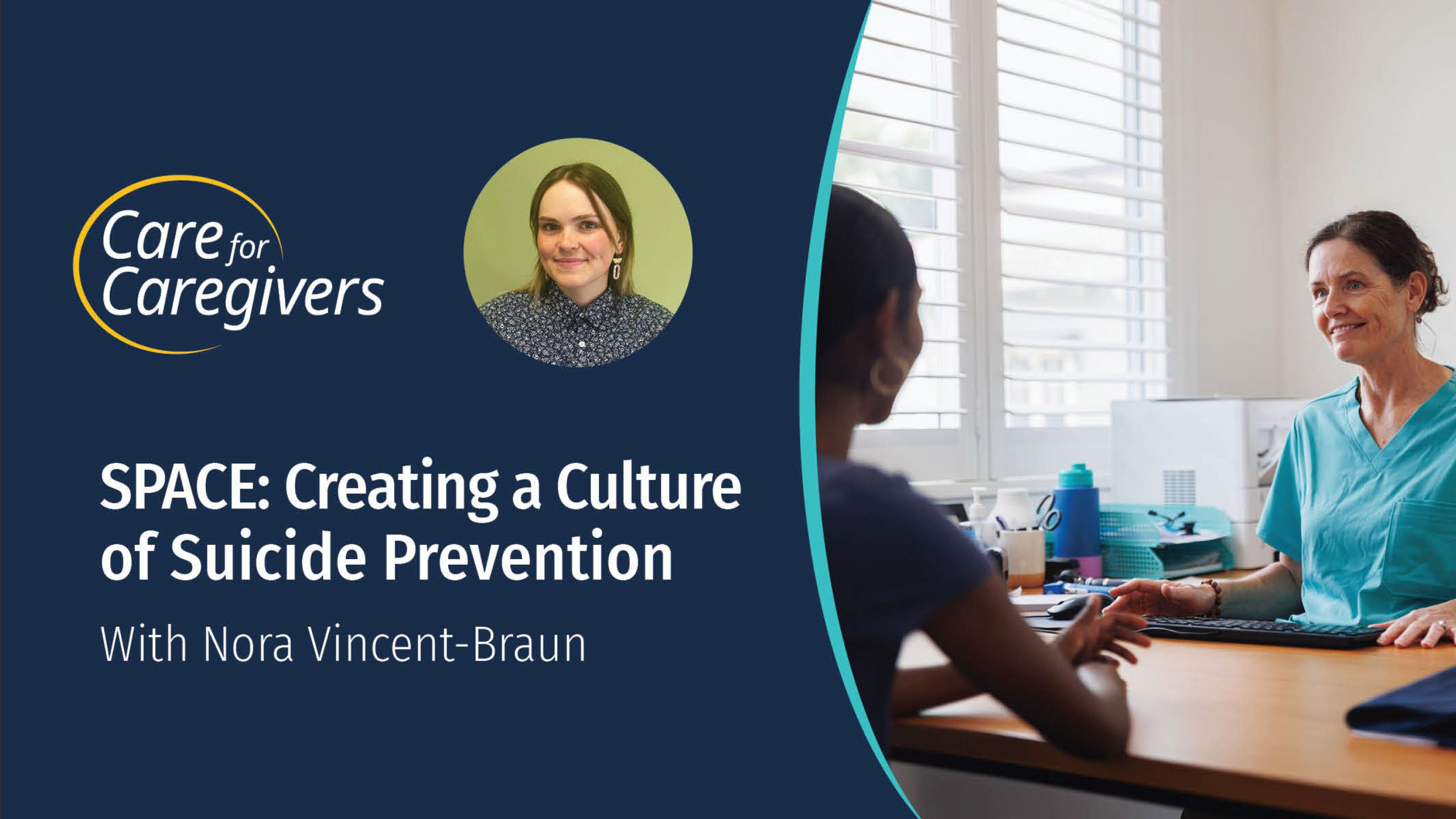
SPACE: Creating a culture of suicide prevention - Webinar slides
Mental Health, Suicide
View the slides for the SPACE: Creating a culture of suicide prevention webinar.










Burnout happens when stress builds up over time, leaving the body and mind feeling exhausted and worn out. It can make people feel drained, unmotivated and hopeless.
Burnout isn’t caused by one single thing — it’s often a mix of workplace and personal factors. In the workplace, it can stem from high workloads, emotional demands or a lack of support.
Burnout and stress are related but not the same. Stress tends to come and go, while burnout is ongoing emotional exhaustion or feeling overwhelmed to the point of extreme fatigue. When workplace stress becomes chronic or prolonged, it can lead to burnout.
Easily annoyed or upset
Feeling numb or drained
Losing care or empathy for others
Always tired or not sleeping well
Headaches or tight muscles
Getting sick more often
Hard to focus or think clearly
Feeling forgetful or confused
Thinking about work even when at home
Avoiding people or staying quiet at work
Putting things off or making more mistakes
Using food, alcohol or other coping methods
Burnout is connected to several psychosocial factors outlined in the National Standard for Psychological Health and Safety in the Workplace. These include not feeling emotionally supported by colleagues or supervisors, experiencing unfairness, bullying or incivility, and confusion about roles or expectations due to poor communication or lack of trust. Feeling excluded from decisions, managing overwhelming or emotionally intense workloads, and struggling to maintain work-life balance can also contribute. When employees feel unappreciated or undervalued, or experience anxiety from unsafe conditions or workplace violence, the risk of burnout increases.
Actively promote mental health and wellbeing in the workplace.
Schedule regular check-ins with staff.
Help manage workload by setting clear priorities and expectations.
Encourage peer support through buddy systems or mentoring.
Involve staff in decision-making and welcome feedback.
Recognize staff efforts and achievements.
Ensure staff take regular breaks and microbreaks.
Create safe spaces for staff to share difficult feelings.
Offer learning and professional development opportunities.
Equip leaders with tools and training to support staff effectively.
1. Connect with others
Talk regularly with coworkers, family and friends.
Offer and accept words of kindness.
2. Take microbreaks
Pause intentionally between tasks—breathe, stretch, or step outside.
Sip water slowly, listen to music, or enjoy a calming scent.
3. Protect your energy
Use “Do Not Disturb” or block quiet time.
Set aside one hour a day just for yourself.
Pause before saying yes—check how you feel first.
Create a work-home transition routine (music, short walk, deep breathing).
4. Practice gratitude
During breaks or after work, note what you’re grateful for.
Tell others what you appreciate about them.
5. Return to basic self-care
Get enough sleep, eat well and stay hydrated.
Move your body a little each day.
Spend at least 15 minutes doing something enjoyable (reading, gardening, crafting).
6. Take time to reflect
Write a few lines in a journal.
Ask yourself, “Why does this work matter to me?”
Reflect on one positive impact you made today, no matter how small.
7. Ask for help early
Don’t wait until you feel worse.
Use your benefits (like an Employee Assistance Program or time off).
Talk to your supervisor about possible adjustments to your work.






View the slides for the SPACE: Creating a culture of suicide prevention webinar.
Leave with tactical, immediately usable micro-habits to build sustainable capacity — not simply to get through the day, but to continue your vital work while protecting the capacity that drives your performance, health, and relationships.
This fall, the Hearts and Hands conference for health care assistants will bring frontline care workers together for a day of learning, connection and celebration. In Langley, Jody Braam will lead a breakout session exploring...
This webinar explores what organizations can realistically influence and where larger systemic change is needed.
This handout contains resources related to the Compassion begins with curiosity webinar.
Explore simple, practical ways to notice and reduce stress while at work.
There’s a strange thing that happens when you become very good at holding everything together. People stop asking if you are okay. You show up, do the work, care for the people who need you...