SafeCare BC Logo
SafeCare BC Logo
Programs & Services

Programs and Services

View All
We are dedicated to providing comprehensive occupational health and safety (OHS) consulting services tailored to your needs.
View Service

Psychological health and safety, often called workplace mental health, encompasses principles and practices to foster a supportive, respectful, and psychologically safe work environment.
View Service

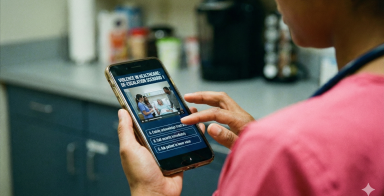
The Provincial Violence Prevention Curriculum is recognized as best-practice in violence prevention training for health care workers.
View Service
Guidelines & Regulations

Guidelines and Regulations

View All
Changes to WorkSafeBC’s Occupational Health and Safety Regulation take effect on January 4, 2027. The amendments clarify what combustible dust is and strengthen requirements for identifying, assessing, and controlling fire and explosion risks.  What does this mean for you?  Using flour or sugar in a kitchen does not automatically mean a new combustible dust management […]
View News Story
WorkSafeBC has paused its consultations on proposed changes to the Occupational Health and Safety Regulation addressing psychological health and safety, harassment, and violence. The pause is due to the provincial election and is procedural; it does not indicate that a decision has been made about the proposed changes.  The proposals would introduce significant new and […]
View News Story

Scenario Exercises

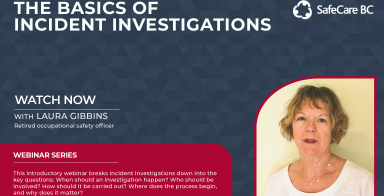
"This is Mary" - The basics of incident investigations

A resource for "The basics of incident investigations" webinar.

This is Mary. She has been working as a healthcare assistant for the past 30 years at Angles Care Home. She knows all the residents very well.


New management was hired about a year ago. They changed some of the work procedures. Many of the older staff were not happy, including Mary, because some of the work procedures now included having to find another healthcare assistant to assist with the mobility and repositioning tasks. Additionally, there is now a ‘No Lift’ policy, which didn’t make sense to Mary.


Bob is the resident involved in the incident. He has slowly physically and cognitively declined in the past 3 years. Some days he is able to follow directions, and other days he is unable to because of his decline.


Last Tuesday morning, Mary was assigned to eight residents for the shift, including Bob. Her normal workload is seven residents. She was frustrated because her RCC, Sharon, told her that they were short-staffed due to one healthcare assistant calling in sick, and they could not get a replacement until noon. Sharon instructed Mary to get the eight residents ready for breakfast at 8 a.m.


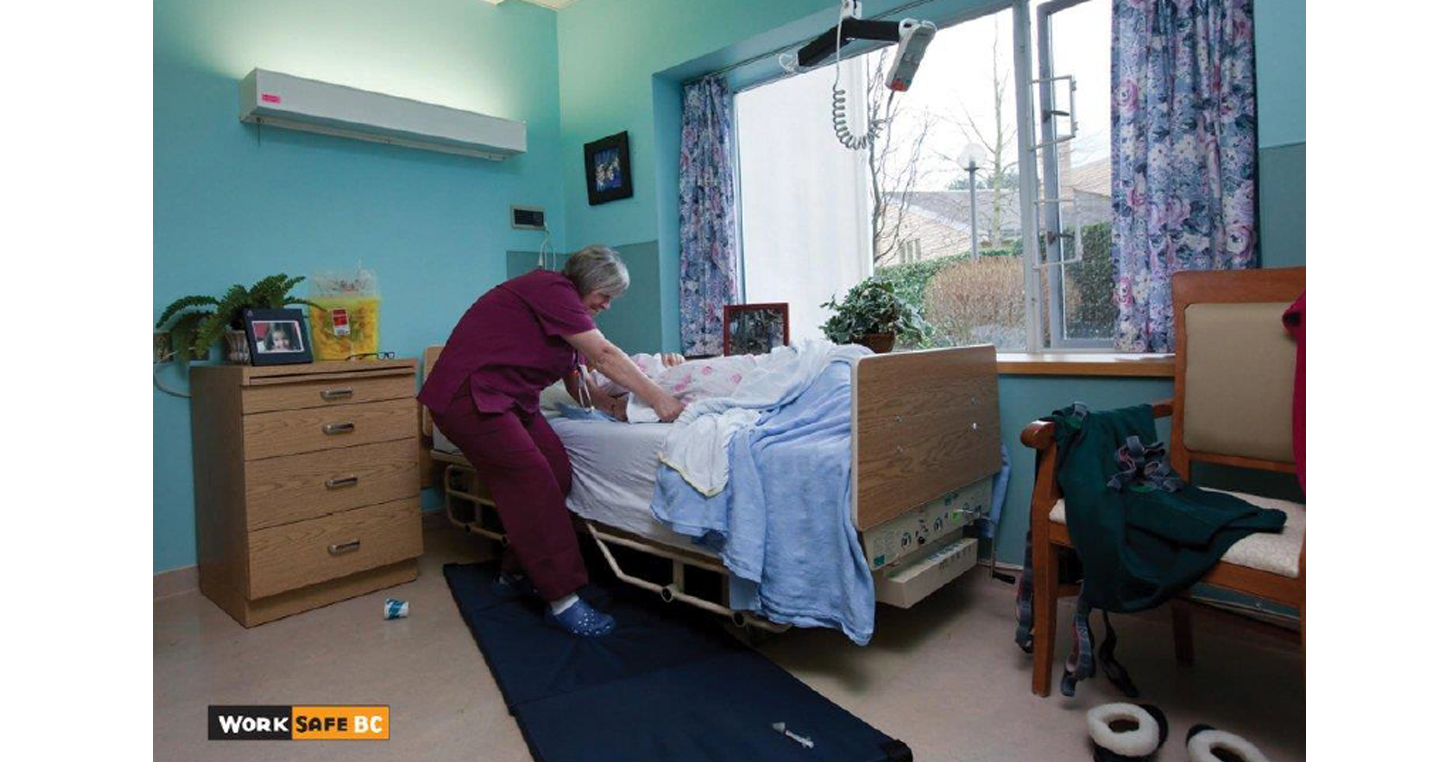
Bob was Mary’s fourth resident that she had to prepare for breakfast. She rushed into his room and noticed that he had slipped down in bed.


She pressed the call bell to ask for assistance to reposition Bob. Sharon, the RCC, tells her through the intercom, that there is no one to assist her right now and to try her best to reposition Bob in bed for breakfast.


Mary lowers the side rail and grabs the slider sheet, then pulls. She feels a sharp pain in her back. She is forced to stop, tells Sharon what happened and is directed to go to first aid. It was recommended that Mary go to her doctor for assessment. Mary leaves work for medical treatment.

Downloads
This-is-Mary.pdf
Download
193.1KB
"This is Mary" - The basics of incident investigations

Additional Resources

This introductory webinar breaks incident investigations down, and teaches the two types of investigation reports and the components of an effective investigation.
View Webinar

More Assorted Resources

Take a few minutes to reflect before or after a difficult workplace communication. This resource is a companion to the webinar: "Before you speak: Communicate with intention."
Files Attached
View Resource
Not sure where to start after a WorkSafeBC inspection? We can provide support with your health and safety concerns and questions, both physical and psychological.
Files Attached
View Infosheet
A stress basket is a thoughtful, practical gift that supports relaxation, resilience, and self-care. Here are 40 ideas you can include or mix and match to create your own personalized stress basket.
Files Attached
View Resource
This quick reference guide is designed for healthcare assistants working in long-term care and community settings. These simple, practical strategies can be used during your shift to help manage stress, stay grounded, and build resilience — without adding extra time to your day.
Files Attached
View Resource
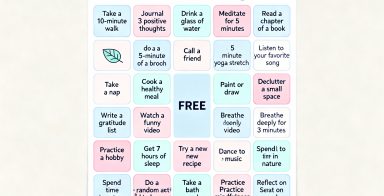
Try one suggestion each day for 30 days. Complete a row, column, or the entire card! These small, practical actions build stress management skills and emotional resilience.
Files Attached
View Resource
The latest province-wide survey by WorkSafeBC highlights that while many employers in long-term care are familiar with SafeCare BC, awareness is notably lower among home support and smaller operators.
Files Attached
View Resource
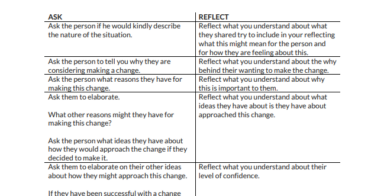
Use this listening exercise as practice when you're speaking with an employee (or employees) about change.
Files Attached
View Reference Guide
Files Attached
View Resource
Browse by Resource Type
SafeCare BC Logo
©2026 SafeCare BC | All rights reserved.
To empower workplaces that provide care to create a culture of safety through evidence-based education, advocacy for safer workplaces, leadership, and collaboration
cross