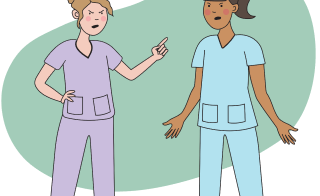
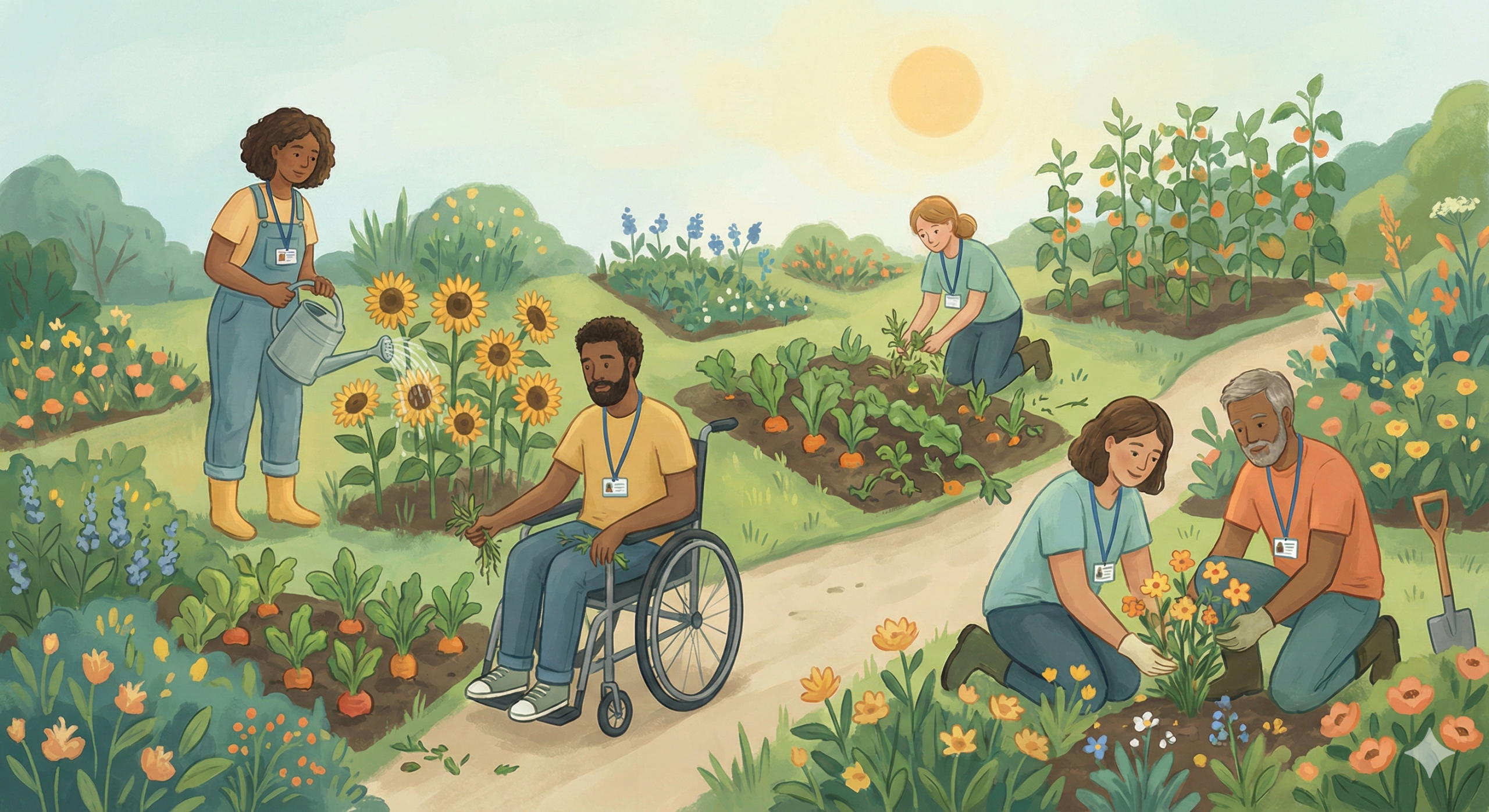
In long-term care it is increasingly apparent that who is on shift is just as important as how many staff are on shift. Quality care is difficult to achieve when we do not routinely engage with one another in a positive, or civil, manner.
Ready to tackle violence prevention in healthcare? Discover our immersive, scenario-based training that identifies hidden risks and boosts your team's competency!
Psychological health and safety, often called workplace mental health, encompasses principles and practices to foster a supportive, respectful, and psychologically safe work environment.
WorkSafeBC is holding a second public hearing this month on proposed changes to the Occupational Health and Safety Regulation related to combustible dusts.
Amendments to the Occupational Health and Safety Regulation (OHSR), Part 5: Chemical Agents and Biological Agents – Emergency Planning came into effect on February 3, 2025. Changes include additional requirements to minimize the risk, likelihood, and harm caused by an emergency involving hazardous substances. Hazardous substances include biological, chemical or physical hazards that may reasonably […]
How can you improve psychological health and safety in the workplace? One first step is to develop and implement a formal psychological health and safety policy. A policy establishes clear expectations, roles, and responsibilities, signalling an organization's commitment to protecting staff from stress and burnout.
It’s January 2026, the time for setting a fresh tone for your team. Protecting your team’s psychological health is just as critical as protecting their physical safety. When we ignore the psychological side of work, the burden of stress and burnout doesn't just rest with the individual—it affects the whole team.
The stakes: Why now?
When psychological health and safety (PHS) is ignored, burnout and disengagement become the norm. In continuing care, this can mean higher risks, more errors, and a harder time providing the care your clients and residents deserve.
The workplace is more than just where your team clocks in; it’s an ecosystem that shapes their daily life. Much like a supportive family or a favourite hobby, a healthy workplace can be a source of wellness. It’s a simple equation: when our people feel capable, valued, and truly supported, they thrive, and so does the organization.
You know you need a plan, but between staff huddles and resident needs, finding a starting point can feel like adding one more heavy brick to an already full backpack.
You don't need to navigate this alone.
We're here to help with tools, templates and expert support. Here are three steps for success:
Lay the foundation: A clear policy demonstrates to your team that you are committed to their well-being.
Socialize the message: Talk about psychological health and safety in your safety huddles and JOSHC meetings so it becomes part of the daily rhythm.
Get expert support: Lean on your member-exclusive benefit—our psychological health and safety coach—to help you to tailor these tools to your specific site needs.
Psychological health and safety policy
A policy is more than just paper; it creates a shared understanding of what safety looks like in your workplace. It makes it easier for everyone to hold themselves and one another accountable, fostering a respectful, supportive environment.
Psychological safety isn’t a mystery; it’s about meeting basic human needs. It’s a workplace where:
Staff feel free to speak up about unsafe workloads without fear.
Teams are included in the decisions that impact their daily tasks.
Coworkers support one another in taking their breaks.
Small acts of connection—like asking about a weekend or checking in after a tough shift—are the norm.
Take the lead: Join the pilot project.
Every organization has its own unique strengths and hurdles. If you want to move beyond the template and build a custom action plan, apply for our Enhancing Psychological Health and Safety Pilot Project. You'll get direct, one-on-one guidance from our psychological health and safety coach to ensure your strategies are practical and relevant to your frontline reality.
https://youtu.be/3w8d_a4Dn_8
Why psychological health and safety at work matters - and why a policy is a starting point
Got a pressing concern? Let's talk. Get quick, targeted support from our psychological health and safety expert. Your first step to tailored solutions!
Ready for a deep dive? This collaborative program offers a comprehensive analysis, a bespoke action plan, and ongoing assessment to ensure lasting change.
Looking to implement a psychological health and safety policy in your organization? This ready-to-use template helps employers support mental health in the workplace by providing a clear, customizable framework that promotes well-being, prevents psychological harm, and outlines roles and responsibilities across all levels of your organization.
Balance, Psychological Health and Safety, Work-life balance
Mastering work-life balance is essential for healthcare safety. Discover practical strategies to prevent burnout, manage busy shifts, and improve care for those you support.
The Improving workplace engagement safety huddle positions engagement as a key factor in staff well-being and quality of care. Engagement is defined as a deep connection to work that can be physical (energized), emotional (passionate),...
Collective Care, Mental Health, Psychological Health and Safety, Psychological social support
Work is shared. So is the emotional “weather” of your team. Collective wellbeing is shaped by everyday moments, and your actions can help create a workplace where people feel safer, more supported, and more connected.
Empathy is the ability to understand and share the feelings of another person. Practicing empathy can make a meaningful difference in creating a safer, healthier, and more connected workplace.
Engagement, Mental Health, Organizational culture, Other, Psychological social support, Recognition and reward, Self-care
This story is told from the perspective of Billie Askelend, Senior Executive Director at Nicola Lodge. No one expected a love story to begin at Nicola Lodge, least of all Roy. At eighty-nine, he had...
To empower workplaces that provide care to create a culture of safety through evidence-based education, advocacy for safer workplaces, leadership, and collaboration
Stay up to date
Subscribe to our newsletter and stay up to date with all of SafeCare BC’s latest news.