Safety Topic
Respect and civility in the workplace
Civility and respect, Psychological Health and Safety
A respectful workplace goes beyond the absence of harm. Learn what civility looks like at work and what everyday choices build respect.











Empathy is the ability to understand and share the feelings of another person. It involves noticing how someone might be feeling and trying to see the situation from their perspective.
Importantly, empathy is not about fixing problems, having all the answers, or agreeing with everything someone says. It’s about showing care, understanding, and presence.
Here are simple, practical ways to demonstrate empathy at work:
Pause what you’re doing and be fully engaged with the person you’re interacting with.
Notice what is happening for the other person, what is happening within yourself, and what is happening in the space between you.
Let go of judgment, assumptions, and the urge to control or fix the situation.
This might sound like:
Practicing empathy supports a psychologically healthy and safe workplace. When coworkers feel heard, valued, and understood, it strengthens:
It’s also important to remember that burnout can reduce our ability to be empathetic. When someone is emotionally depleted, their capacity to tune into others becomes limited. Supporting employee well-being and recognizing burnout helps protect empathy in the workplace.
For leaders, empathy is especially important. Empathetic leadership helps employees feel safe, respected, and supported, and sets the tone for team culture.
A care aide expresses frustration with a new workflow. Instead of assuming resistance, you consider their workload and the emotional demands of their role.
Maintain eye contact, allow pauses, and avoid interrupting during a check-in.
A worker wants to discuss burnout. You schedule private time and eliminate distractions.
“I can hear how much you’re carrying. It makes sense that you’re feeling overwhelmed.”
“You mentioned feeling left out of team decisions—did I get that right?”
A coworker shares something personal, and you reassure them that their story stays confidential.
Share a brief, relatable experience when appropriate—without shifting the focus.
Warm facial expressions, nodding, open posture, and a calm tone of voice.
A respectful workplace goes beyond the absence of harm. Learn what civility looks like at work and what everyday choices build respect.
The Improving workplace engagement safety huddle positions engagement as a key factor in staff well-being and quality of care. Engagement is defined as a deep connection to work that can be physical (energized), emotional (passionate),...
Work is shared. So is the emotional “weather” of your team. Collective wellbeing is shaped by everyday moments, and your actions can help create a workplace where people feel safer, more supported, and more connected.
How can you improve psychological health and safety in the workplace? One first step is to develop and implement a formal psychological health and safety policy. A policy establishes clear expectations, roles, and responsibilities, signalling...
Making choices is a powerful form of self-care that helps build a sense of control and reduce stress.
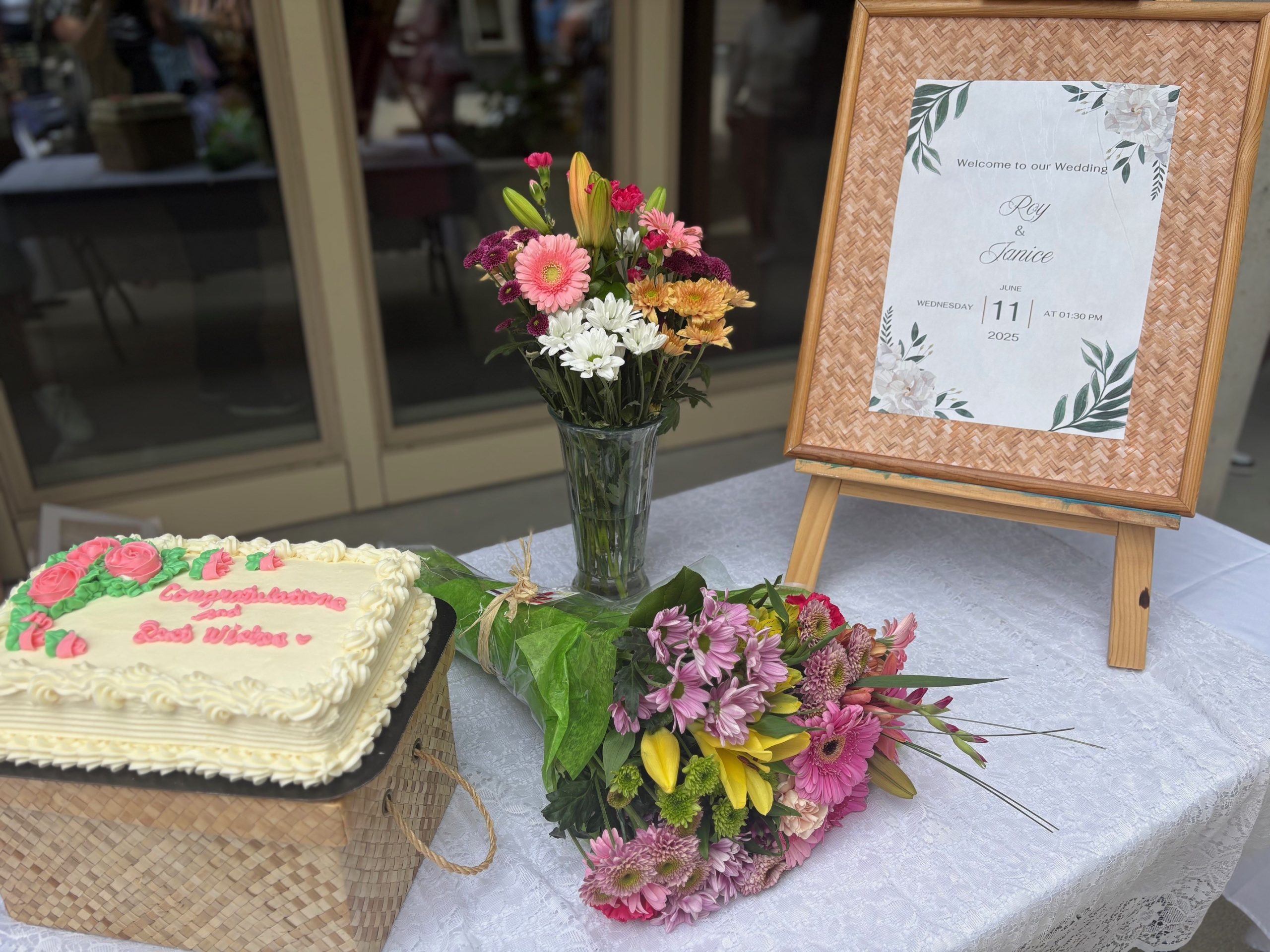
This story is told from the perspective of Billie Askelend, Senior Executive Director at Nicola Lodge. No one expected a love story to begin at Nicola Lodge, least of all Roy. At eighty-nine, he had...