Safety Topic
Words matter: How the language we choose shapes our relationships, our teams, and our experience of work
Clear leadership, Communication, Psychological Health and Safety
Word matter


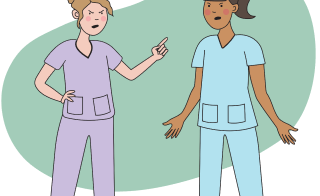



We do not experience work alone. Our day is shaped by the people around us: how we speak, how we listen, what we notice, and what we ignore.
That shared experience is called collective wellbeing. It is the shared emotional and psychological health of a team or workplace. It is shaped by how people work together, the team's norms, the workplace culture, and shared experiences.
Here is what matters most: collective well-being affects each of us, and each of us can shape it.
One person’s behaviour can ripple through a team, either positively or negatively. A warm greeting can lift the tone of a shift. Taking time to listen can help someone feel supported. A dismissive comment can shut someone down. Small moments add up.
Collective well-being is a shared responsibility. It is not something only leaders create, or only organizations “do.” Each person can make a meaningful difference in the space that affects them every day.
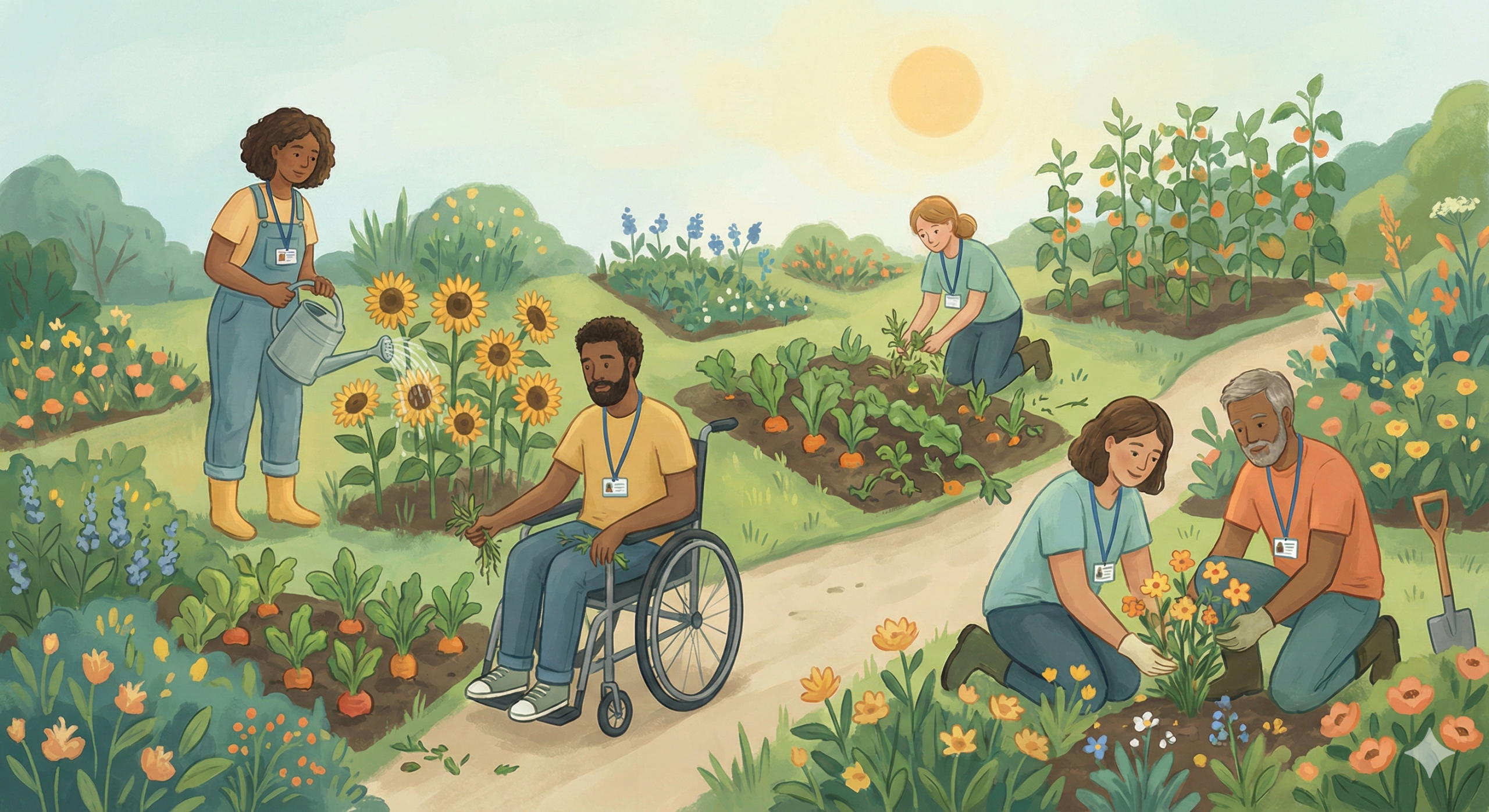
Collective well-being is like a community garden. If each person tends their patch, the garden thrives, and everyone benefits. If patches are neglected, weeds spread, flowers do not bloom, and everyone feels the impact.
Shared spaces need shared care.
Organizations create policies, set expectations, and introduce initiatives. But collective well-being becomes real through everyday choices. It is a lived practice, not just a policy.
Culture is built in ordinary moments:
Individual well-being and collective well-being are connected. Being part of a healthy workplace supports your individual well-being. When individuals are well, they are better able to contribute to a healthy, supportive workplace.
Collective wellbeing does not mean there will never be conflict or hard moments. Those are inevitable. It means there is more support to soften the impact, and the team is better positioned to work through tough times together.
Collective wellbeing is a lived practice, shaped by how we speak, listen, include, and check in with each other, especially when things get hard.
Example: If a coworker seems unusually quiet, you could check in with: “Hey, I noticed you seem quiet today, how are you doing?” You do not need to fix the problem. You are showing the person they matter.
What will you do today to support the collective wellbeing of your workplace? Choose one small action and try it today.

Word matter
Mastering work-life balance is essential for healthcare safety. Discover practical strategies to prevent burnout, manage busy shifts, and improve care for those you support.
The slides for Dr. Gurdeep Parhar's webinar, Thriving with ADHD at Work.
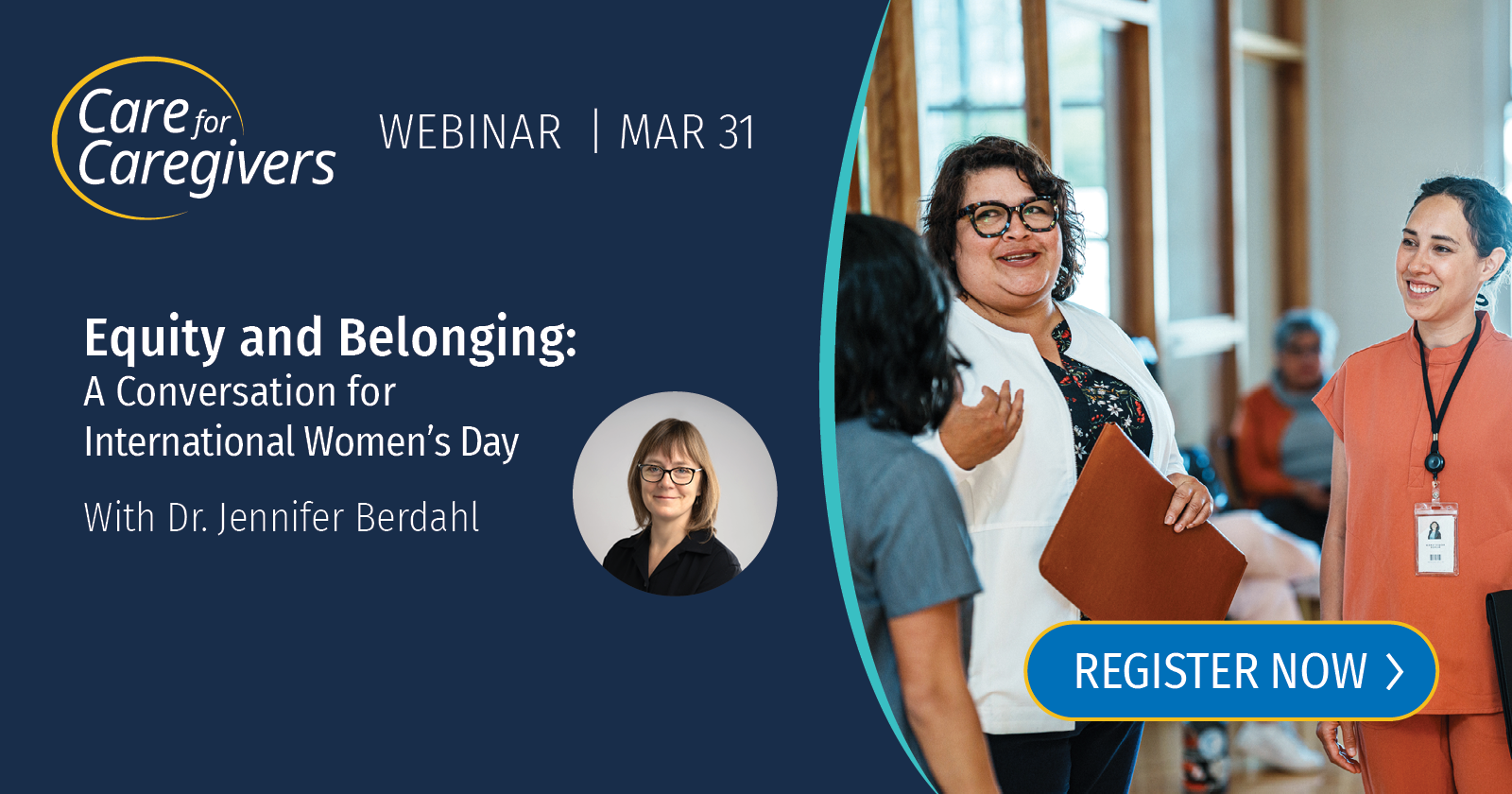
International Women’s Day began over 100 years ago as part of the global struggle for women’s equal rights, including in employment. While women have made significant gains in the workforce, progress toward gender equity has...
A respectful workplace goes beyond the absence of harm. Learn what civility looks like at work and what everyday choices build respect.
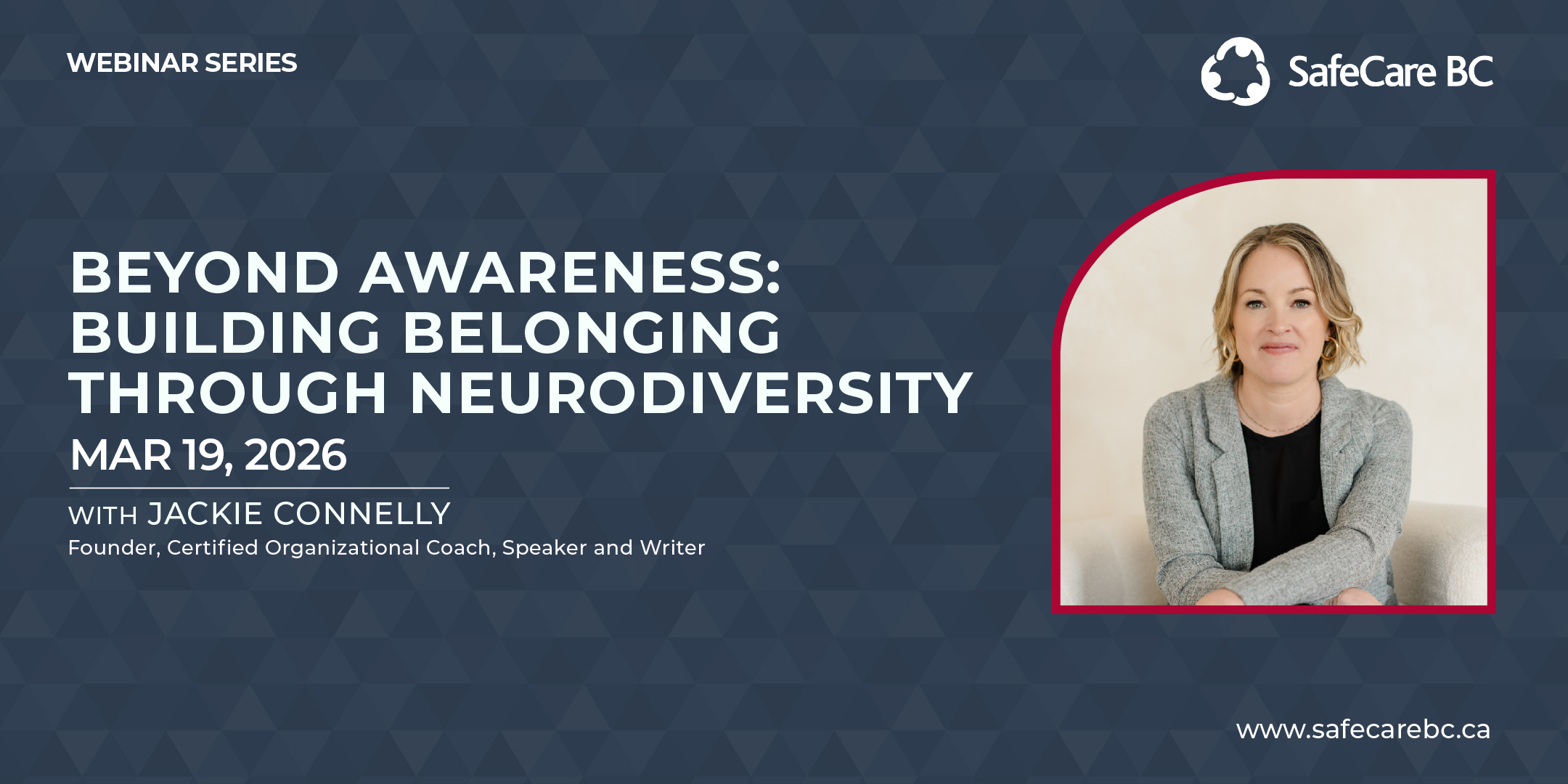
This webinar moves beyond awareness to action through exploring the vital connection between neurodiversity and belonging in the workplace.
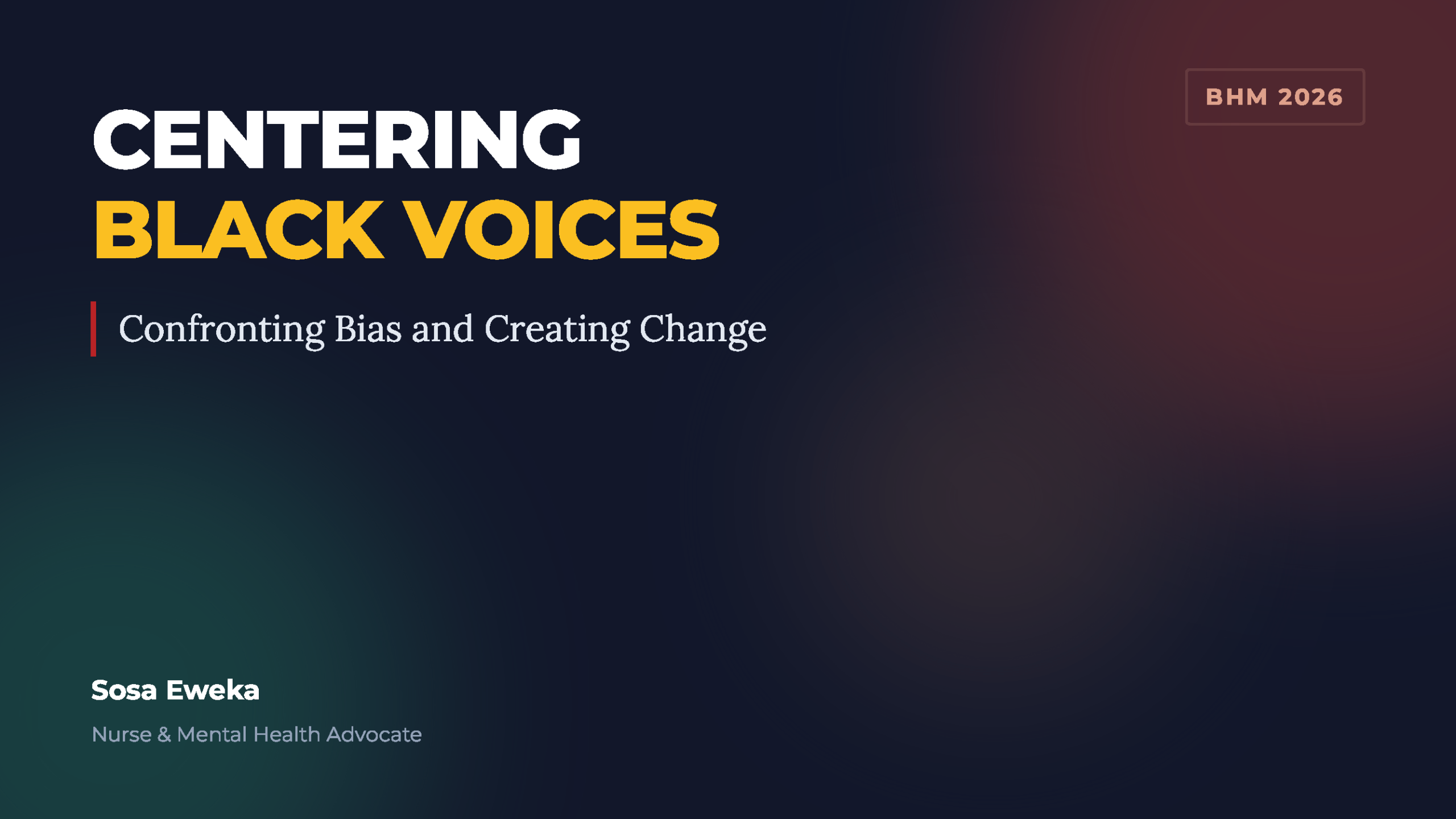
In honour of Black History Month, the slides for this webinar centers on the lived experiences, leadership, and contributions of Black professionals in healthcare—while examining how diversity, equity, and inclusion strengthen workplace safety and patient...
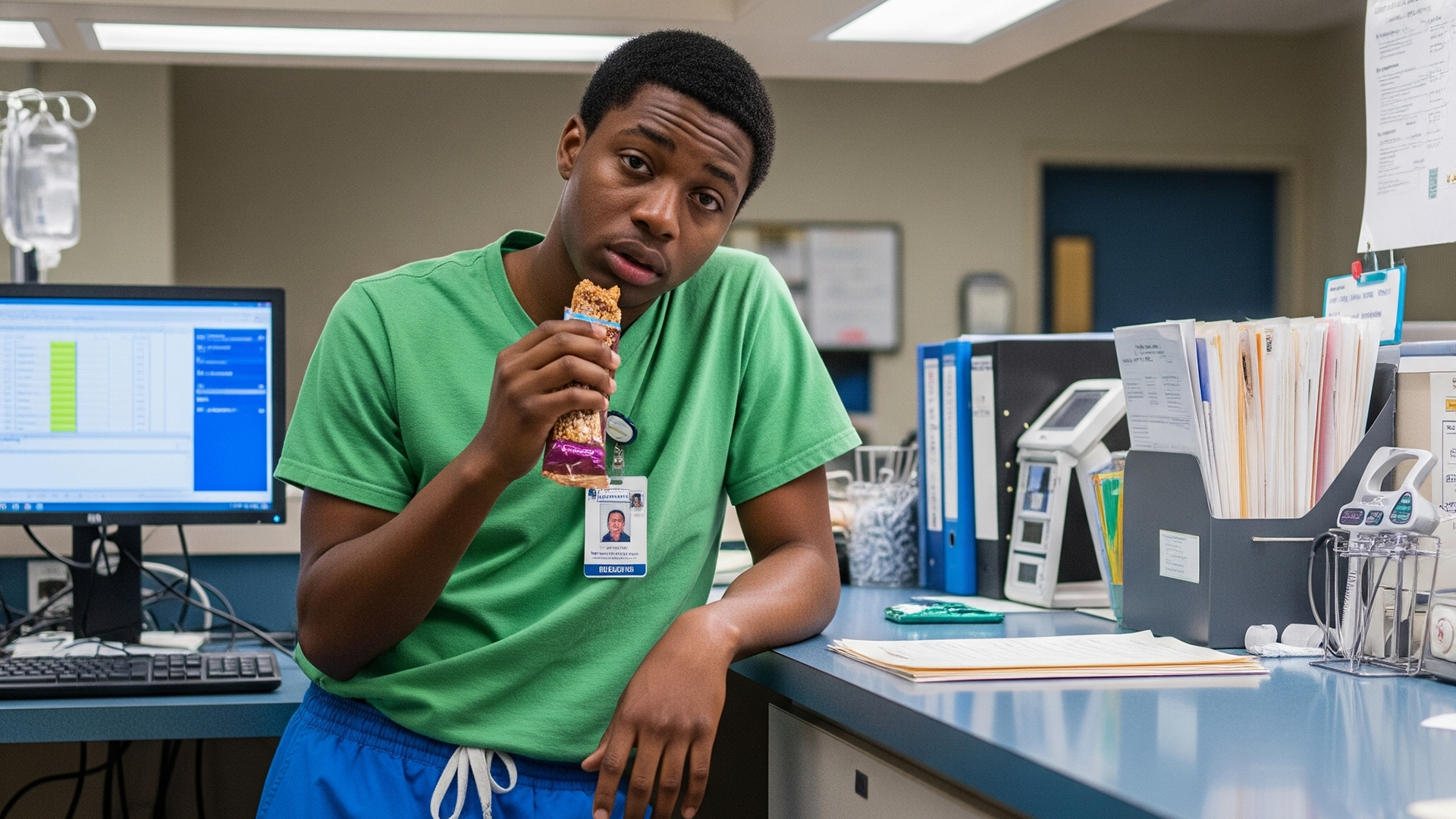
Explore how proper nutrition can boost stamina, and navigate shift work challenges with realistic, budget-friendly solutions that fit into your busy life.
The Improving workplace engagement safety huddle positions engagement as a key factor in staff well-being and quality of care. Engagement is defined as a deep connection to work that can be physical (energized), emotional (passionate),...
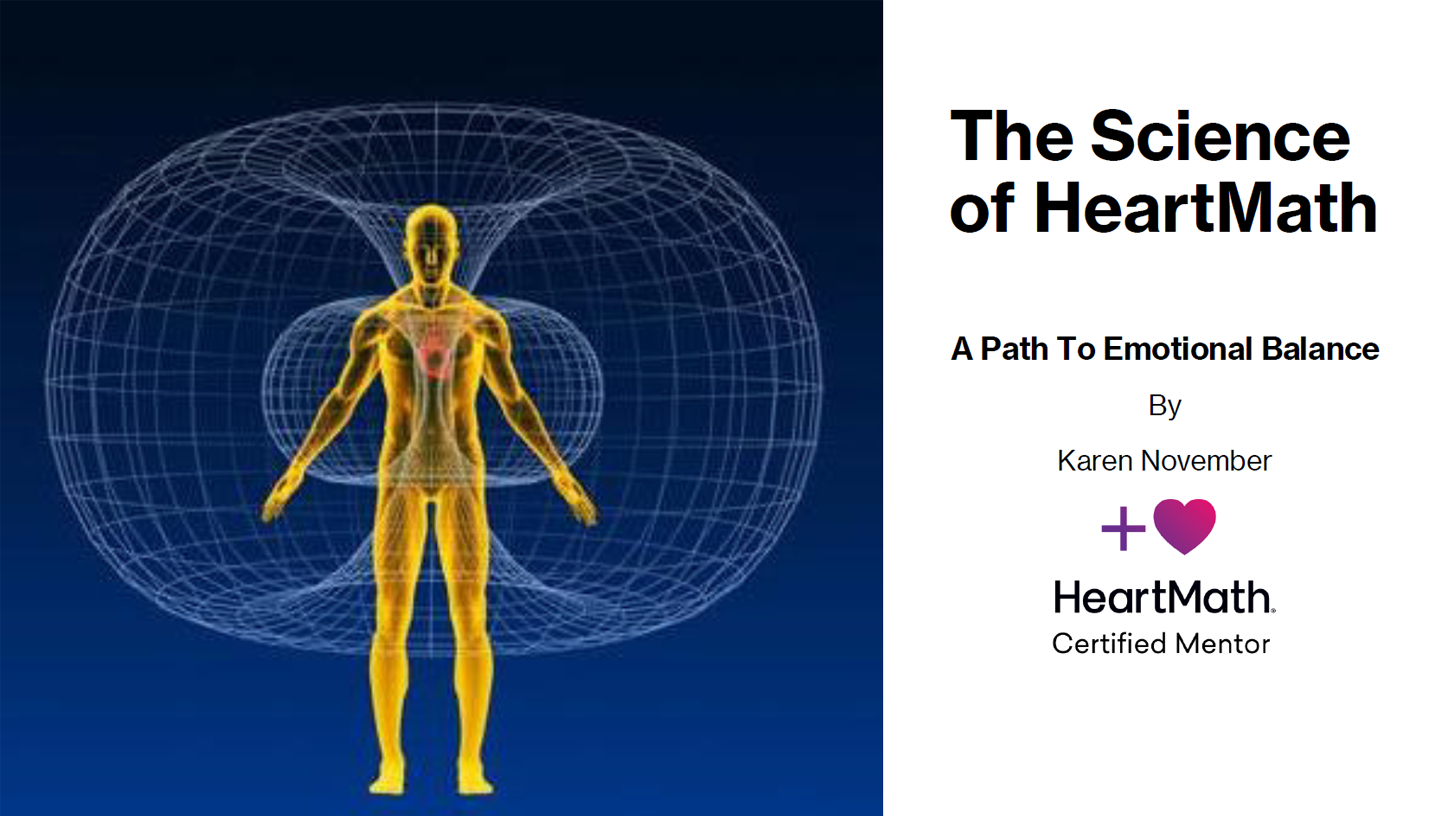
Webinar slides to Karen November's session on HeartMath.