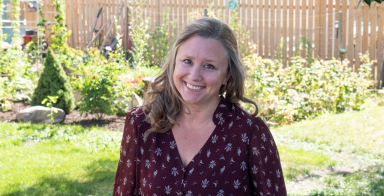
For Jo Sedman, health and safety has always started with people.
Long before she stepped into leadership roles, before policy development, safety huddles, and education planning became part of her everyday work, she remembers being a new registered nurse in the ICU, moving through fast-paced hospital corridors where every second carried meaning.
“You don’t just learn how to care for patients,” she says. “You learn how to care for people — the whole person, the whole team.”
Over the years, that understanding followed her through nearly every corner of healthcare. From working as a healthcare aide while completing nursing school to roles in home care, rural hospitals, long-term care, and intensive care units, Jo saw firsthand how deeply safety, education, and emotional support shape the experiences of both staff and patients.
As she gradually moved into leadership, she discovered a passion she hadn’t expected—education. Not simply teaching policies or procedures but helping frontline staff feel more confident in the work they do every day.
“When staff light up because something clicks for them, it’s like watching magic happen,” she says. “That’s when you know you’re making a difference.”
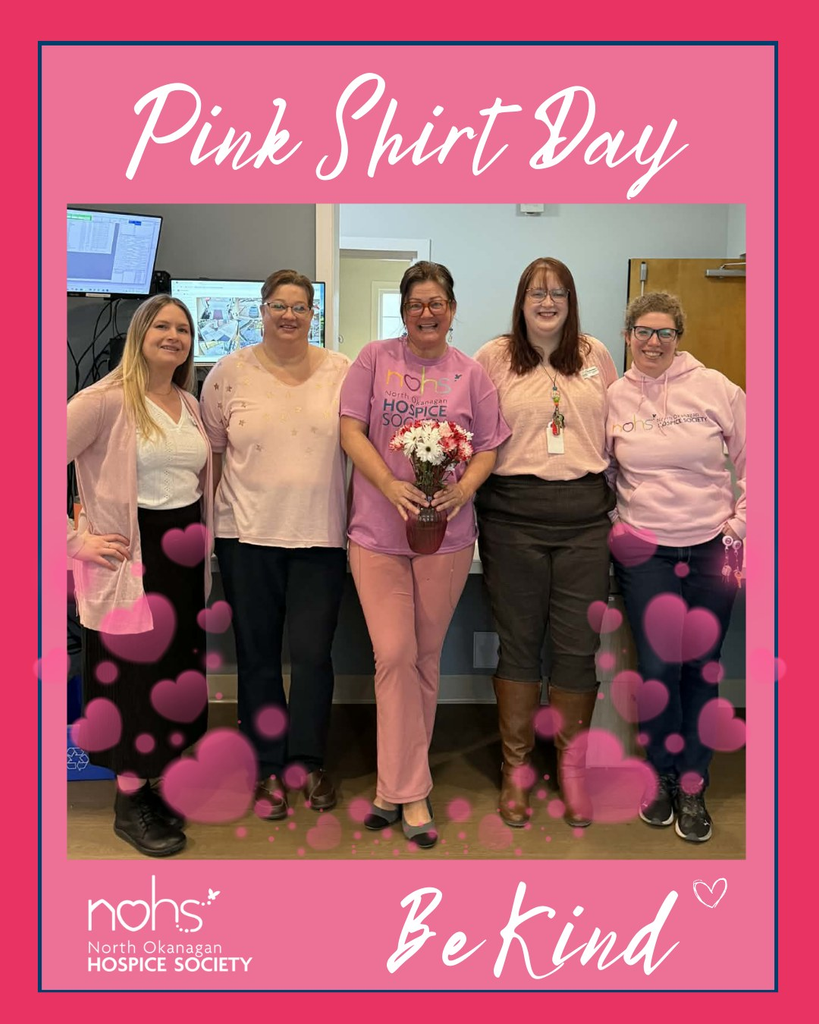
Today, as part of the team at the North Okanagan Hospice Society, Jo brings that same mindset into every part of her work. Hospice care can be emotionally intense, both for residents and families, and for the staff supporting them through some of life’s most vulnerable moments. But within that heaviness, Jo says there is also purpose, connection, and humanity.
She describes hospice as one of the most rewarding environments she has ever worked in. Unlike larger healthcare settings, she says hospice care allows staff to focus on creating meaningful moments for residents and families, whether that means supporting a bedside wedding, bringing someone outside in their bed to enjoy fresh air, or simply making space for comfort and dignity in someone’s final days.
“We really try to make every moment matter,” she says.
That philosophy extends beyond resident care and into the workplace culture itself. Jo believes staff who feel emotionally supported are better equipped to provide safe and compassionate care. She spends time on the floor checking in with staff, listening to concerns, offering in-the-moment guidance, and creating space for honest conversations about difficult experiences.
The work can be heavy at times, she admits, which is why she believes support systems matter just as much as clinical training.
When Jo first accessed SafeCare BC resources in a previous leadership role, she immediately recognized the value they could bring to her team. The education was practical, accessible, and focused on real situations healthcare workers encounter every day.
“I remember thinking, ‘This is exactly what we need,’” she says. “It helped us talk about mental health, it helped us manage risk, and it made safety something we lived, not just something we checked off a list.”
When she moved into her role with NOHS, bringing those resources with her became a priority. Jo advocated for SafeCare BC membership, access to workplace safety education, and opportunities for staff to participate in violence prevention and peer coaching programs.
What began as small shifts gradually evolved into a stronger culture of confidence and communication across the organization. Staff became more engaged in safety discussions, more willing to speak up during huddles, and more proactive in identifying concerns and solutions.
“I’ve seen them handle behaviours that used to intimidate them,” Jo says. “They’re becoming leaders themselves, and that’s one of the most rewarding things to watch.”
Jo believes one of the biggest indicators of a healthy workplace is when staff feel comfortable reporting concerns and contributing ideas. Rather than viewing safety reporting as negative, she sees it as a sign of trust.
“When people feel safe enough to speak up, that means they believe they’ll be heard,” she says.
That sense of collaboration is deeply woven into the culture at NOHS. Leadership regularly connects with frontline teams, safety conversations happen daily, and staff are encouraged to help shape solutions together. For Jo, leadership is not about directing from a distance, but about being present, approachable, and willing to listen.
Even small gestures matter. Sometimes support looks like a formal debrief after a difficult experience. Other times, it looks like impromptu hot dog days, shared meals, laughter between shifts, or making sure everyone feels included and valued.
“It’s the little things that help people feel connected,” she says.
Through every role she has held in healthcare, Jo says one lesson has remained constant: safety can never be taken for granted.
“I’ve never met a healthcare worker who hasn’t experienced some kind of violence or emotional strain at work,” she says. “That’s why safety has to stay a priority — for the patients we care for and for the staff providing that care.”
For Jo, strong policies, ongoing education, and open communication are about building environments where people feel protected, empowered, and supported enough to do their best work.
And through it all, she continues to lead with the same belief that first shaped her as a young nurse years ago: healthcare is, and always will be, about people caring for people.