In long-term care it is increasingly apparent that who is on shift is just as important as how many staff are on shift. Quality care is difficult to achieve when we do not routinely engage with one another in a positive, or civil, manner.
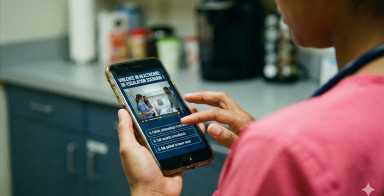
Ready to tackle violence prevention in healthcare? Discover our immersive, scenario-based training that identifies hidden risks and boosts your team's competency!
Psychological health and safety, often called workplace mental health, encompasses principles and practices to foster a supportive, respectful, and psychologically safe work environment.
WorkSafeBC is holding a second public hearing this month on proposed changes to the Occupational Health and Safety Regulation related to combustible dusts.
Amendments to the Occupational Health and Safety Regulation (OHSR), Part 5: Chemical Agents and Biological Agents – Emergency Planning came into effect on February 3, 2025. Changes include additional requirements to minimize the risk, likelihood, and harm caused by an emergency involving hazardous substances. Hazardous substances include biological, chemical or physical hazards that may reasonably […]
A respectful workplace goes beyond the absence of harm. Learn what civility looks like at work and what everyday choices build respect.
The heart of civility: Choosing respect in every moment
Most workplaces understand that bullying, harassment, and discrimination have no place at work. Policies exist. Training happens. And that matters.
But here is a question worth exploring: once we’ve removed the harmful behaviour, what have we actually built?
Too often, the answer is a workplace that is simply not disrespectful. That is not the same thing as a workplace that is respectful. The difference matters—because the way we treat one another shapes how much we enjoy coming to work, how connected we feel to our colleagues, how stressed we are at the end of the day, and whether we genuinely feel like we belong.
What does a respectful workplace actually look like?
A respectful workplace is not defined by what it lacks. It is defined by what it actively creates. It is not about what it doesn’t have—it is about what it does have.
That means going beyond “no one is being harassed, bullied, or discriminated against” to something richer: an environment where people genuinely feel respected and valued. It is inclusive. It values diversity. It means choosing to engage in a welcoming, respectful way that builds equity, belonging, and meaningful connection—including when we disagree.
Think of it as a continuum. On one end, workplaces that are actively disrespectful. In the middle, workplaces that are neutral—no one is being harmed, but no one is going out of their way to build respect. On the other end, workplaces that are very respectful and very civil.
The goal is not just to avoid the left side. It is to move deliberately toward the right.
Respect is a choice – no matter how you feel about a person
One of the most common misconceptions about workplace respect is that it depends on how we feel about someone. If we like our colleagues, treating them well comes easily. If we don’t, it feels harder.
The truth is simpler: we don’t need to like someone to be civil and respectful to them. Liking our coworkers is a bonus, not an expectation. What matters is extending them the dignity they deserve.
This reframe is especially important in workplaces where the work itself is demanding and stressful. Teams are diverse. Workdays are long. There will be people you connect with easily and people you don’t. Respect is not about that connection. It is about the choice you make in every encounter—and that choice is entirely within your control.
Creating a truly respectful workplace requires that each interaction be shaped by compassion, kindness, and support. Not occasionally. Not only with the people we enjoy. Every day. With everyone.
And it needs to be authentic. Performative politeness does not build trust or a sense of belonging. Genuine respect does.
The respect continuum in action
The difference between neutral and respectful often comes down to small, deliberate choices. Notice that the neutral response is not harmful—but it is not helpful either. The respectful column shows what active civility looks like.
Disrespectful and uncivil
Neutral
Respectful and civil
Gossiping about a colleague
Not engaging in gossip
Choosing to speak well of that colleague or redirect the conversation
Criticizing a colleague’s approach in front of others
Saying nothing
Offering a hand with the work instead
Spreading a rumour
Hearing it and staying silent
Responding by sharing something you appreciate about the person the rumour is about
Criticizing a colleague in front of a resident’s family
Saying nothing about the colleague
Sharing with the family that your colleague has been working hard despite short staffing and giving their best
Blaming a colleague for something that went wrong
Saying nothing about the situation
Offering support and recognizing how they handled a difficult moment
Rolling your eyes when a colleague offers help
Letting them help without acknowledgement
Thanking them for offering to help
Making fun of someone after passing them
Walking by without saying hello
Saying hello
Purposely excluding someone
Letting them sit by themselves
Asking them to join you or inviting them to sit with you
The neutral column is where many of us default on a busy day. The respectful column shows what becomes possible when we choose to do something more.
Why civility matters at work
Civility is essential to building healthy, inclusive work environments. It protects people from the stress and burnout that come from being ignored, dismissed, or excluded. It creates meaningful connections and supports productive, satisfying work.
When team members treat one another with genuine respect, everyone feels valued—and develops a stronger sense of belonging. People who feel they belong are more likely to enjoy their work, feel less stressed, speak up about concerns, collaborate openly, and stay committed to their teams.
The connection runs both ways. Respect builds belonging. Belonging makes it easier to extend respect. Each deliberate act of civility strengthens this cycle.
A team that communicates with respect shares the workload, supports one another through hard moments, and takes collective responsibility. A team that does not may stay silent, avoid collaboration, or let small tensions grow.
Everyday acts that build respect
Respect in the workplace does not come from a policy document or an annual training session. It lives in the small, repeated actions people take every day.
Express gratitude. A simple thank-you goes further than most people realize, especially on a hard day.
Convey empathy. Acknowledge when a colleague is having a tough day. You don’t need to fix it—just noticing matters.
Listen to understand. Not to respond. Not to correct. To understand.
Recognize others. Name what someone is doing well. Say it to them, not just about them.
Treat others professionally. Extend the same courtesy to every colleague, regardless of their role, their age, their cultural background, or how long they’ve been on the team.
Collaborate. Offer to help before being asked. Share ideas openly.
Share the workload. Take collective responsibility, especially when the team is short-staffed.
None of these requires permission, a budget, or a title. They are available to every person, every day, in every interaction.
What to remember
A workplace free of harassment and bullying is a good starting point. But it is only a starting point. The real opportunity is a workplace where people actively choose dignity, kindness, and respect—every day, in every interaction.
That choice belongs to each of us. It does not depend on whether we like someone. It does not require approval. It is simply the decision to show up with civility, compassion, and authenticity.
That decision ripples outward. It shapes how we feel about coming to work, how protected we are from burnout, and whether we experience genuine belonging. Respect and belonging reinforce each other—each act of civility builds something much larger than itself.
FAQ
A respectful workplace goes beyond the absence of bullying, harassment, or discrimination. It is an environment where people deliberately and intentionally foster respect, civility, and dignity for everyone—through their everyday actions, interactions, and communication. It is inclusive, values diversity, and builds a culture of equity, belonging, and meaningful connection.
A neutral workplace is one where no one is being harmed, but no one is going out of their way to build respect either. A respectful workplace goes further—people actively choose kindness, recognition, empathy, and support in every interaction. Think of it as a continuum: disrespectful on one end, neutral in the middle, and respectful on the other. The goal is to move deliberately toward the respectful end.
Civility is essential to building healthy, inclusive work environments. It protects against burnout, creates meaningful connections, and supports productive work. When team members treat one another with genuine respect, they feel valued and develop a sense of belonging—which allows them to enjoy their work, feel less stressed, and stay committed. It also helps people access the reason they came to do this work in the first place.
No. Liking your coworkers is a bonus, not an expectation. Respect is a professional choice, not a personal feeling. What matters is extending colleagues the dignity they deserve, regardless of whether you connect with them personally. In any workplace where teams are diverse and the work is demanding, this distinction is especially important.
Respectful workplace behaviours include expressing gratitude, conveying empathy, listening actively with the intent to understand, recognizing colleagues for their work, treating everyone professionally, collaborating, and sharing the workload. These are small, deliberate choices available to every person, every day—they don’t require permission, a budget, or a title.
Civility and belonging reinforce each other. When people are treated with respect, they develop a stronger sense of belonging. When they feel they belong, they are more likely to extend that respect to others. Each deliberate act of civility strengthens this cycle, building a workplace where people feel valued and where teams function at their best.
Why this matters for you Your health: Respectful workplaces reduce the emotional toll and burnout associated with care work. Your team: Proactive respect builds the trust needed to safely share heavy physical workloads. Your control: You cannot control the staffing levels or the schedule, but you have 100% control over how you treat the person next to you.
Meaningful employee participation means giving workers a real voice in how work gets done—not just informing them after the fact. When organizations listen and respond, they build trust, reduce burnout, and make better, more practical...
Balance, Psychological Health and Safety, Work-life balance
Mastering work-life balance is essential for healthcare safety. Discover practical strategies to prevent burnout, manage busy shifts, and improve care for those you support.
The Improving workplace engagement safety huddle positions engagement as a key factor in staff well-being and quality of care. Engagement is defined as a deep connection to work that can be physical (energized), emotional (passionate),...
Collective Care, Mental Health, Psychological Health and Safety, Psychological social support
Work is shared. So is the emotional “weather” of your team. Collective wellbeing is shaped by everyday moments, and your actions can help create a workplace where people feel safer, more supported, and more connected.
How can you improve psychological health and safety in the workplace? One first step is to develop and implement a formal psychological health and safety policy. A policy establishes clear expectations, roles, and responsibilities, signalling...
Empathy is the ability to understand and share the feelings of another person. Practicing empathy can make a meaningful difference in creating a safer, healthier, and more connected workplace.
Engagement, Mental Health, Organizational culture, Other, Psychological social support, Recognition and reward, Self-care
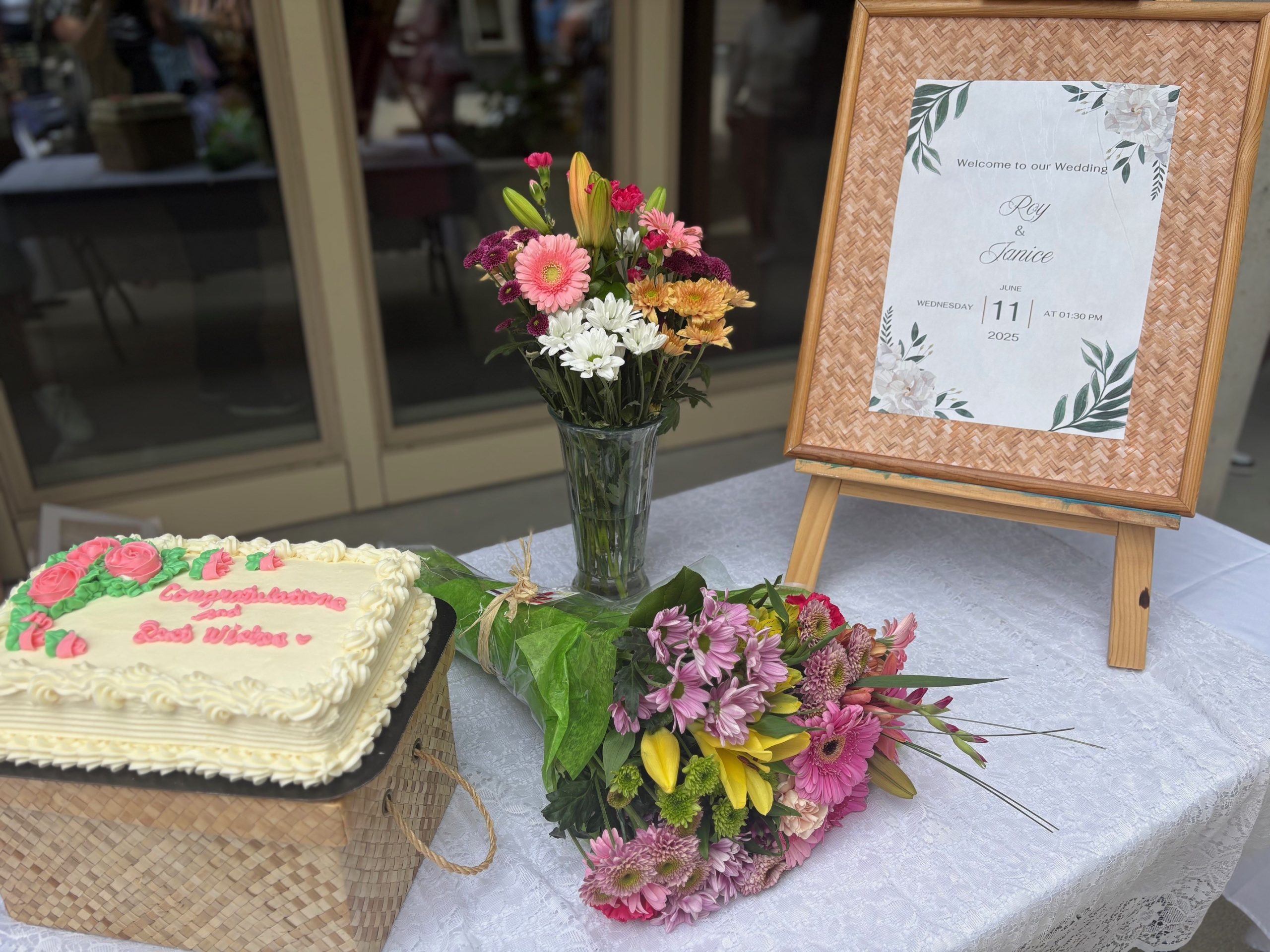
This story is told from the perspective of Billie Askelend, Senior Executive Director at Nicola Lodge. No one expected a love story to begin at Nicola Lodge, least of all Roy. At eighty-nine, he had...
Stay up to date
Subscribe to our newsletter and stay up to date with all of SafeCare BC’s latest news.
To empower workplaces that provide care to create a culture of safety through evidence-based education, advocacy for safer workplaces, leadership, and collaboration
Stay up to date
Subscribe to our newsletter and stay up to date with all of SafeCare BC’s latest news.