Musculoskeletal Injuries
Don’t wait until it hurts—take our course today and protect the most important tool you have: your body.






Care work can involve repeated physical demands throughout a shift. Workers may need to support a resident or client who has limited mobility, respond to a sudden change in behaviour or strength, work in a tight space, or adjust quickly when a task does not go as planned.
Common MSI risk factors include:
Some MSIs happen suddenly. Others build over time when physical stress is repeated without enough control, support, or recovery.
MSI risk can show up in many parts of the workday. Common high-risk tasks include:
These tasks are not risky because workers are careless. They are risky because the physical demands are real, repeated, and often affected by the environment, equipment, staffing, and the resident or client’s condition.
MSI prevention works best when employers, leaders, workers, and Joint Occupational Health and Safety Committees work together.
Employers are responsible for identifying tasks and activities that may put workers at risk of an MSI, assessing those risks, and putting controls in place to eliminate or reduce the risk. Our hierarchy of controls resources for long-term care and home care both highlight the need to assess resident or client handling tasks, involve workers and the JOHS Committee, and apply the most effective controls first.
Workers play an important role by following care plans and safe work procedures, using available equipment, completing point of care risk assessments, reporting hazards, and speaking up when a task becomes unsafe.
A strong prevention program needs both: systems that make safe work possible, and daily practices that help workers respond to real conditions at the point of care.
Employers and leaders can help prevent MSIs by building prevention into how work is planned, staffed, equipped, taught, and followed up.
Practical actions include:
Controls should not rely only on workers “being careful.” Safer systems reduce the need for force, awkward posture, manual lifting, and repeated strain.
The hierarchy of controls helps workplaces choose stronger prevention measures first. In safe resident and client handling, controls may include eliminating unnecessary transfers, using equipment to reduce manual handling, changing the layout of a space, improving procedures, and providing training.
Examples include:
Personal protective equipment may be needed for infection prevention or other hazards, but it is the least effective control for MSI risk. MSI prevention should focus first on eliminating or reducing the physical demands of the task.
Before starting a task, take a moment to check the care plan, the person’s current condition, the space, and the equipment needed. A point of care risk assessment is a quick check that helps workers decide whether it is safe to proceed, whether the task needs to be changed, or whether help is needed.
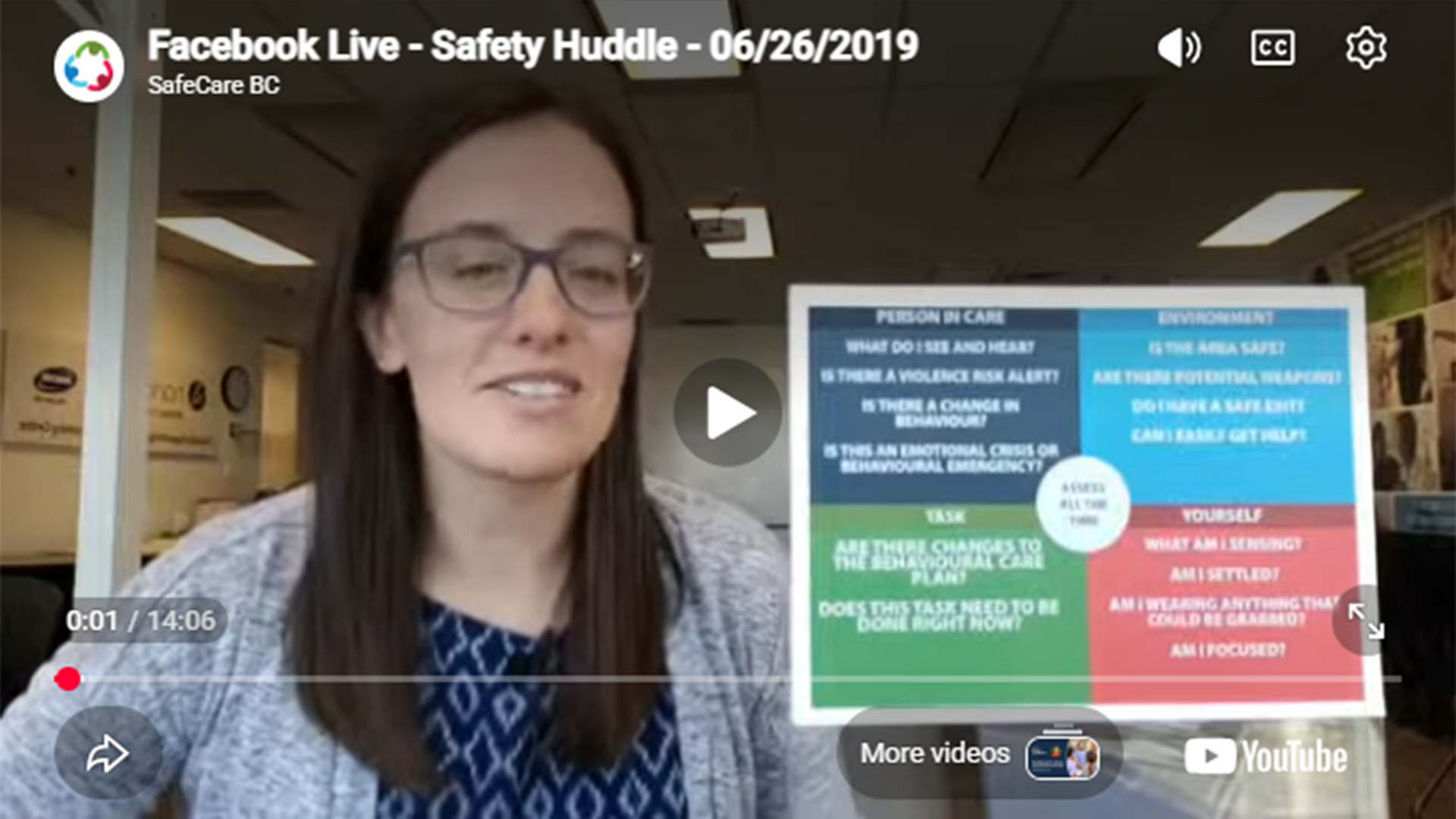
Check out our transfer huddle to learn how to apply the steps of a point of care risk assessment, decide if it is safe to transfer the person in care, and know what to do if it is not safe.
Workers can reduce MSI risk by:
A point of care risk assessment does not replace the care plan. It helps confirm whether the care plan still matches what is happening in the moment.
Before a transfer, repositioning task, shower, or other handling activity, consider:
If it is not safe, stop and follow your workplace procedure. That may mean asking for help, using different equipment, updating the care team, reporting a hazard, or reassessing the care approach.
Our showering huddle also reinforces the value of point of care assessments before care tasks, especially when the environment may create added risk, such as limited space, awkward reach, or difficult equipment positioning.
Early signs of an MSI can include soreness, stiffness, numbness, tingling, weakness, swelling, reduced range of motion, or pain that continues after work. These symptoms should not be ignored.
Reporting early helps workers get support sooner. It also helps employers identify hazards before more workers are injured.
Workers should report:
Leaders can support early reporting by responding without blame, following up quickly, and using reports to improve equipment, procedures, training, staffing, and care planning.
An MSI can affect a worker’s health, income, mobility, home life, and ability to keep doing the work they care about. It can also affect the whole workplace.
When MSI injuries increase, organizations may face higher claims costs, higher WorkSafeBC premiums, staffing shortages, increased workload, fatigue, and stress among remaining workers. These pressures can create conditions where further injuries are more likely and where care quality may be affected.
Prevention helps protect workers and supports safer, more stable care for residents and clients.
A musculoskeletal injury, or MSI, is an injury to soft tissue such as muscles, tendons, ligaments, joints, nerves, or blood vessels. MSIs are often called sprains or strains.
MSIs are common because many care tasks involve repetitive movement, awkward posture, force, reaching, bending, pushing, pulling, and supporting residents or clients during movement. Risk can increase when equipment, space, staffing, training, or care plans do not match the task.
Higher-risk tasks can include transfers, repositioning, toileting, bathing, dressing, peri-care, assisting during a fall, pushing carts, moving equipment, and handling supplies or linens.
MSI prevention is a shared responsibility. Employers must identify and assess MSI risks and put controls in place to reduce them. Workers contribute by following safe work procedures, completing point of care risk assessments, using required equipment, reporting hazards, and asking for help when a task becomes unsafe.
A point of care risk assessment is a quick check before care is provided. It helps workers decide whether the resident or client, environment, equipment, and available support make the task safe to proceed.
No. The care plan remains important. A point of care risk assessment helps confirm whether the care plan still matches the current situation.
Stop and follow your workplace procedure. Ask for help, use appropriate equipment, report the concern, and reassess the task before continuing.
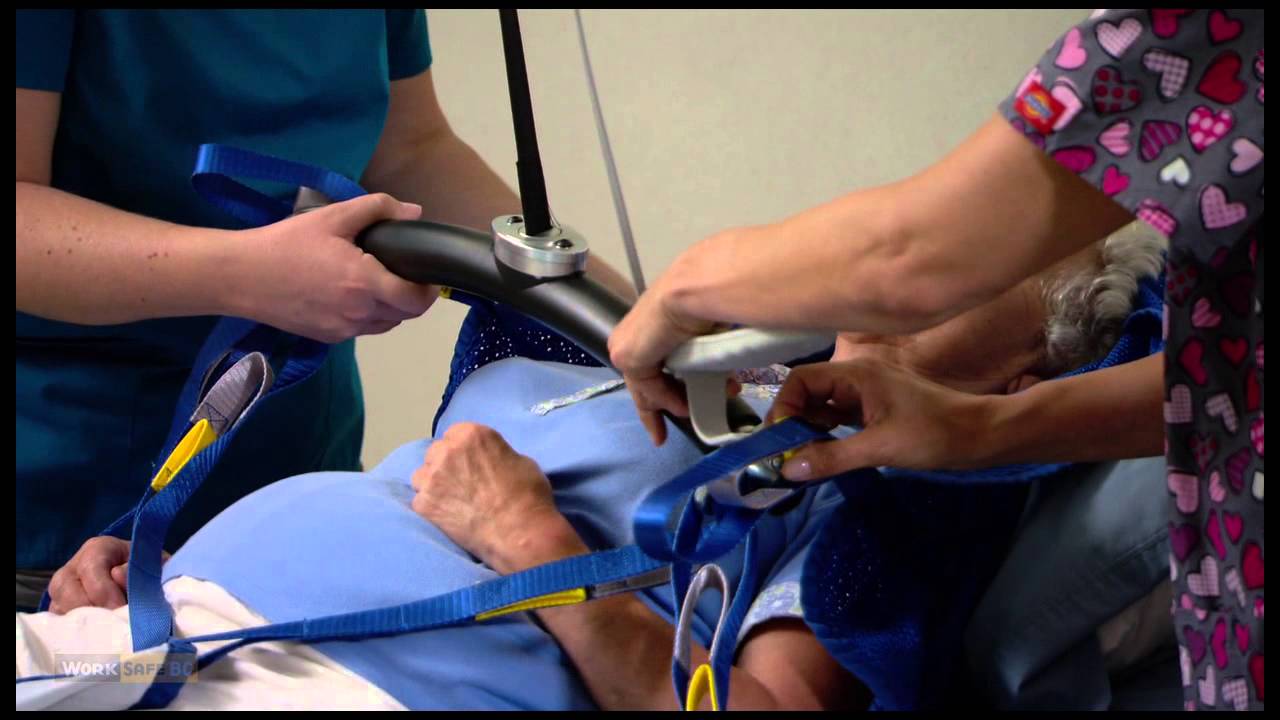
Equipment may include ceiling lifts, floor lifts, sit-to-stand devices, transfer belts, slide sheets, transfer boards, height-adjustable beds, grab bars, railings, and other assistive devices. The right equipment depends on the person, task, care plan, and environment.
Early reporting helps workers get support before symptoms become more serious. It also helps employers identify patterns and fix hazards related to equipment, space, procedures, staffing, or training.
Early signs may include soreness, pain, stiffness, weakness, numbness, tingling, swelling, or reduced range of motion. Workers should report symptoms according to workplace procedures.
No. Care aides and home support workers face significant risk because of resident and client handling tasks, but workers in laundry, food services, housekeeping, maintenance, janitorial services, and other roles may also be exposed to MSI risks.
Leaders can support MSI prevention by assessing risk, involving workers and the JOHS Committee, providing the right equipment, supporting training, responding to reports, reviewing incidents and near misses, and making sure workers have enough time and support to work safely.
Don’t wait until it hurts—take our course today and protect the most important tool you have: your body.
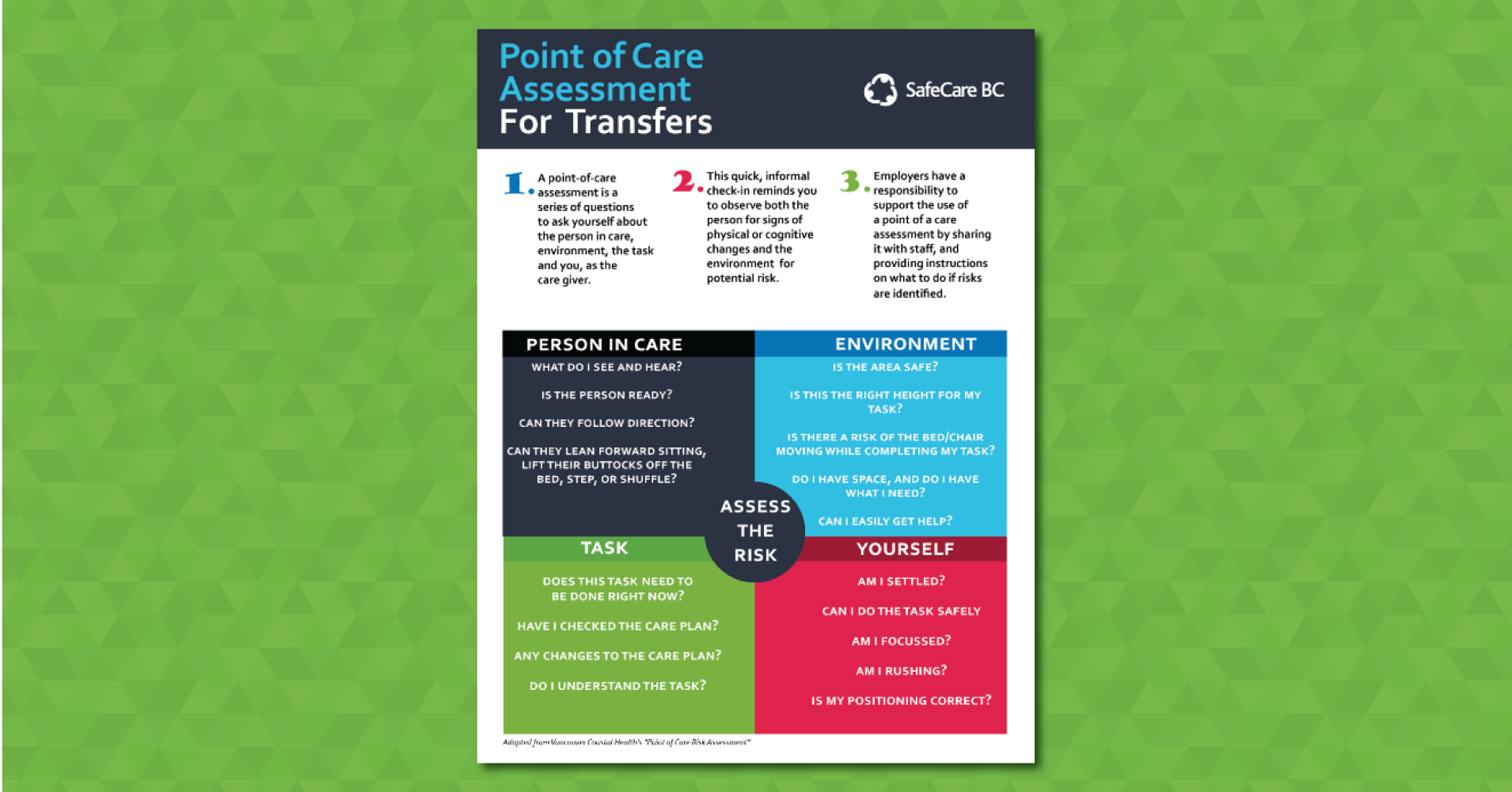
A point of care risk assessment for transfers is a quick mini-appraisal you, the health care worker, do to make sure a person’s abilities still match what’s in their care plan. It doesn’t replace the...
See the full resource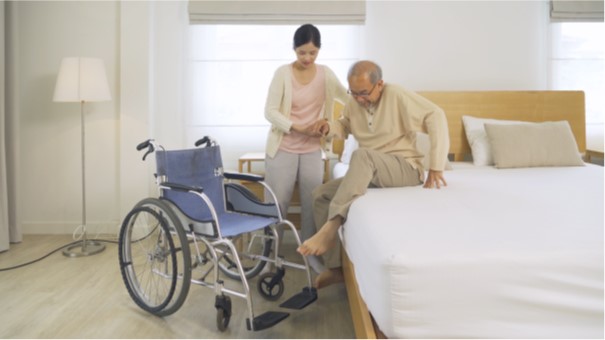
Learn when it is safe to transfer a person in care and know what to do if it is not safe to transfer.
Musculoskeletal injuries related to resident handling are the number one cause of injury in long term care. Back strains alone account for 30% of all work-related injuries reported; other strains account for 44%.
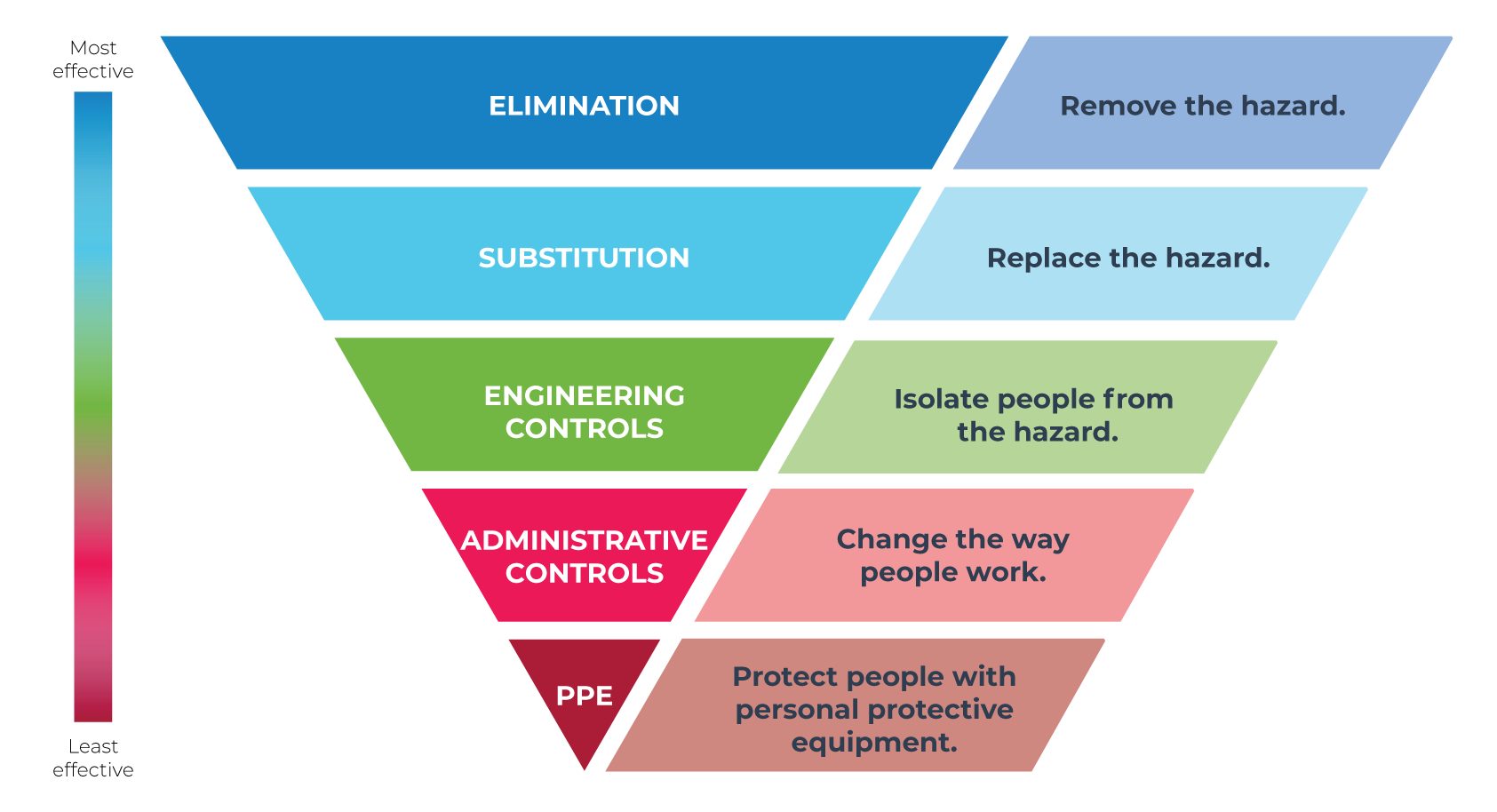
Safe resident handling involves an approach that considers the hierarchy of controls to eliminate or minimize the risk of injury in the workplace. The first step is to identify and assess tasks that may result...
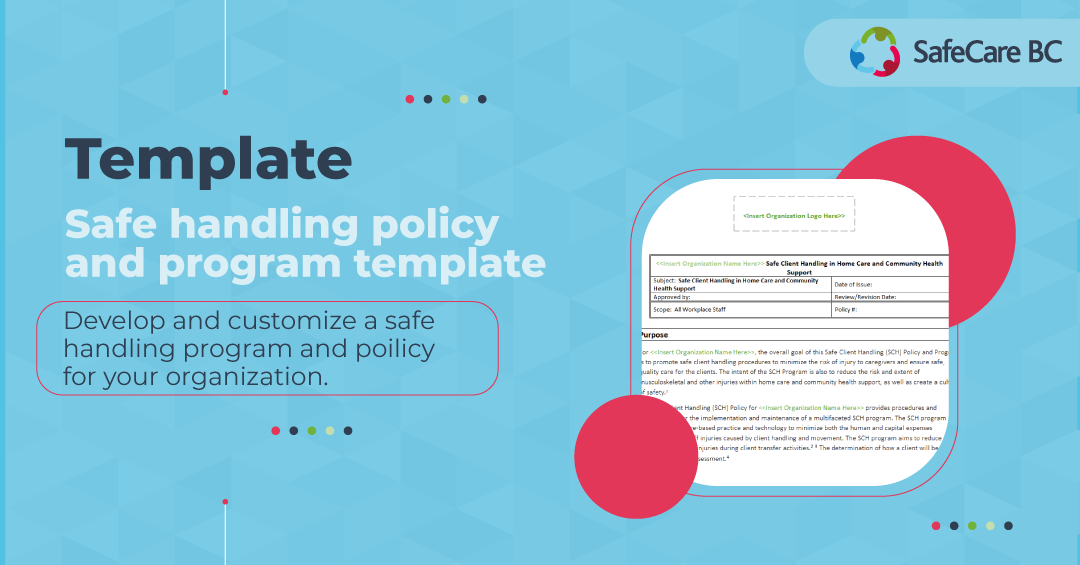
See the full resourceSafe client handling involves an approach that considers the hierarchy of controls to eliminate or minimize the risk of injury in the workplace. The first step is to identify and assess tasks that may result...
See the full resource
Learn to regularly use point of care assessments to identify MSI risks and make practical choices to avoid injury.
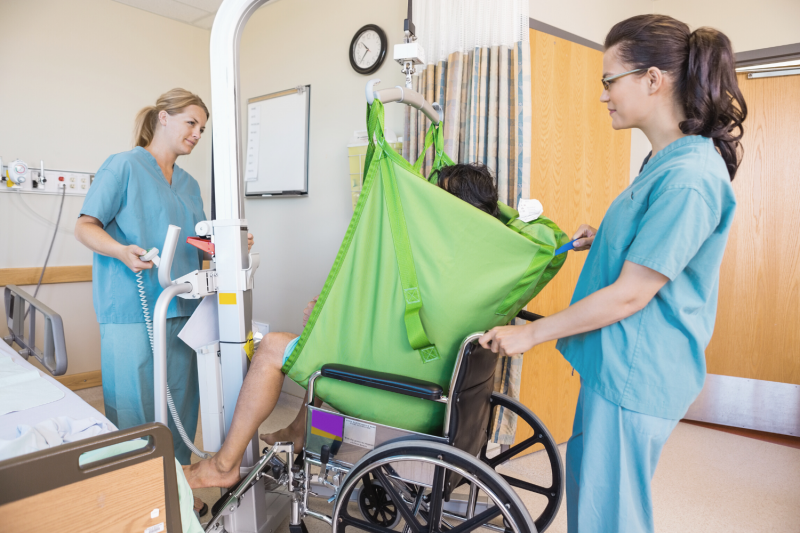
Are you a continuing care worker, but don’t know the safest practices when it comes to handling the persons receiving care?
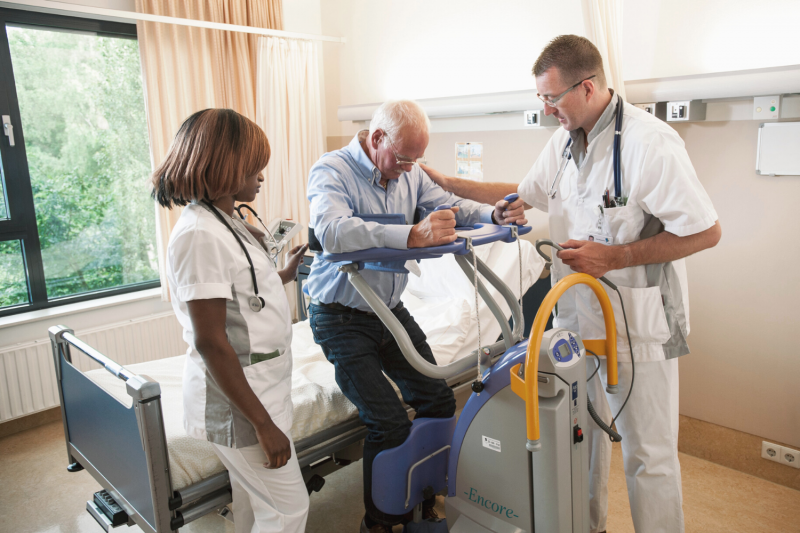
Help prevent the leading cause of injuries in long-term care. Our 2-day workshop gives you the coaching skills to teach safe handling in your workplace, reducing injuries and building a stronger safety culture. Become a...
See the full resource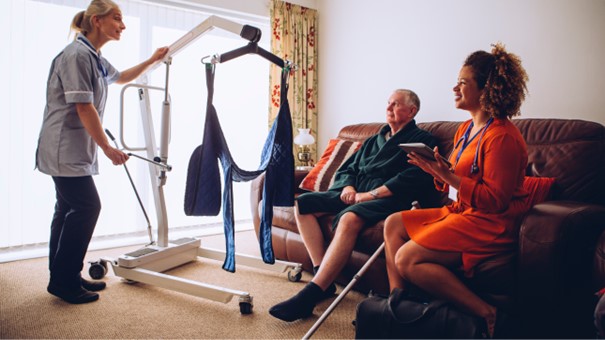
Learn how to properly use lifts to avoid musculoskeletal injury.
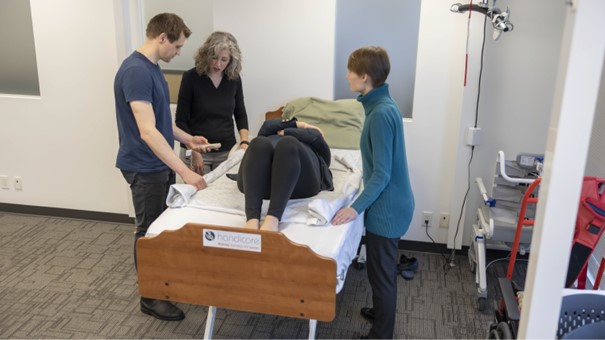
Learn to refer to the no-lift policy to reduce your risk of musculoskeletal injury.

Think about the last time you felt genuinely safe and understood in a challenging situation. That sense of comfort and trust is at the heart of trauma-informed care. This approach recognizes that many people carry...
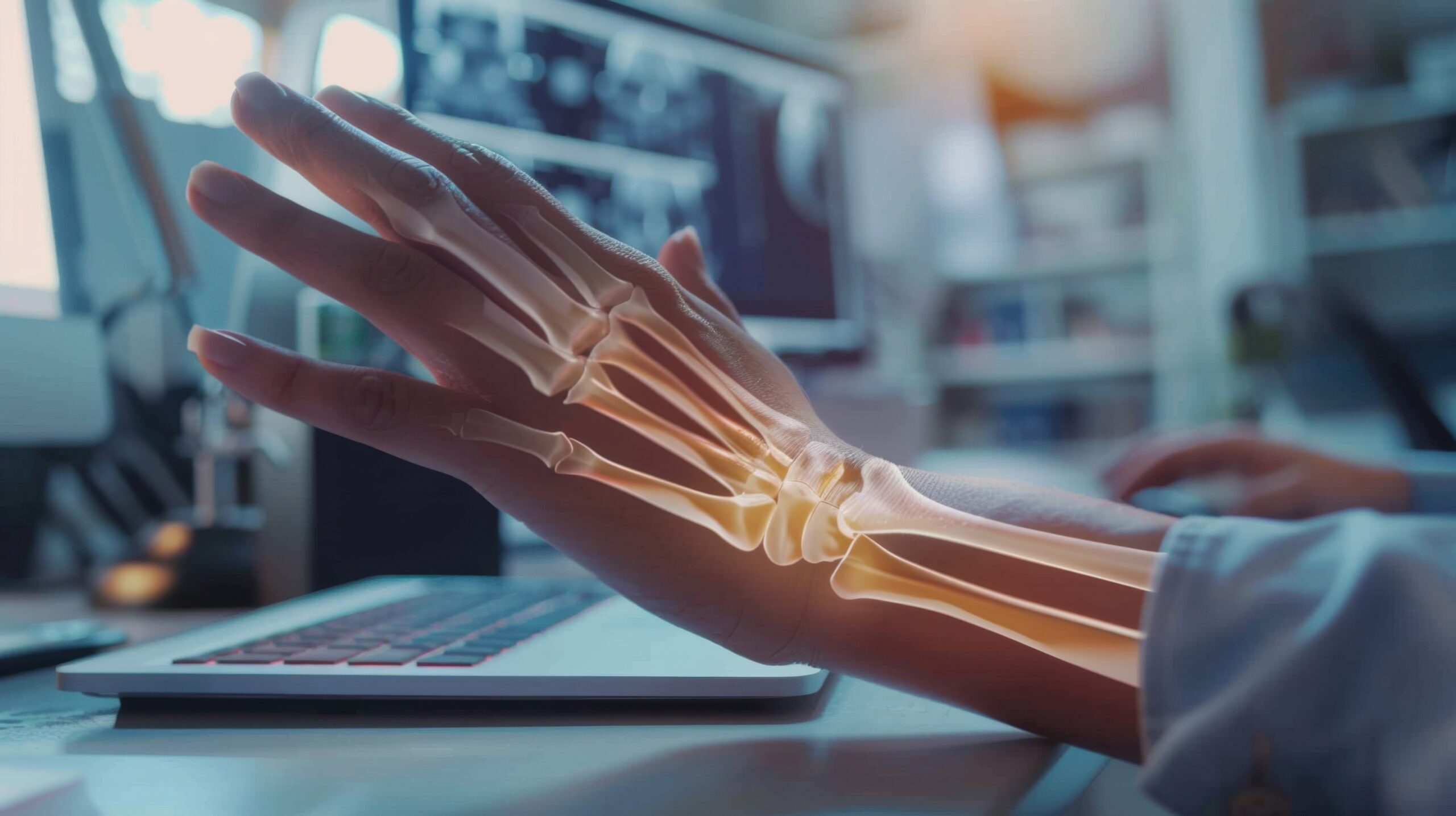
At first, it’s just a dull ache, something you can ignore. A sore back from work or a stiff wrist from too much typing. No big deal, right? But then, the pain lingers. Simple tasks...

WorkSafeBC’s healthcare and social services planned inspection initiative focuses on high-risk activities in the workplace that lead to serious injuries and time-loss claims.
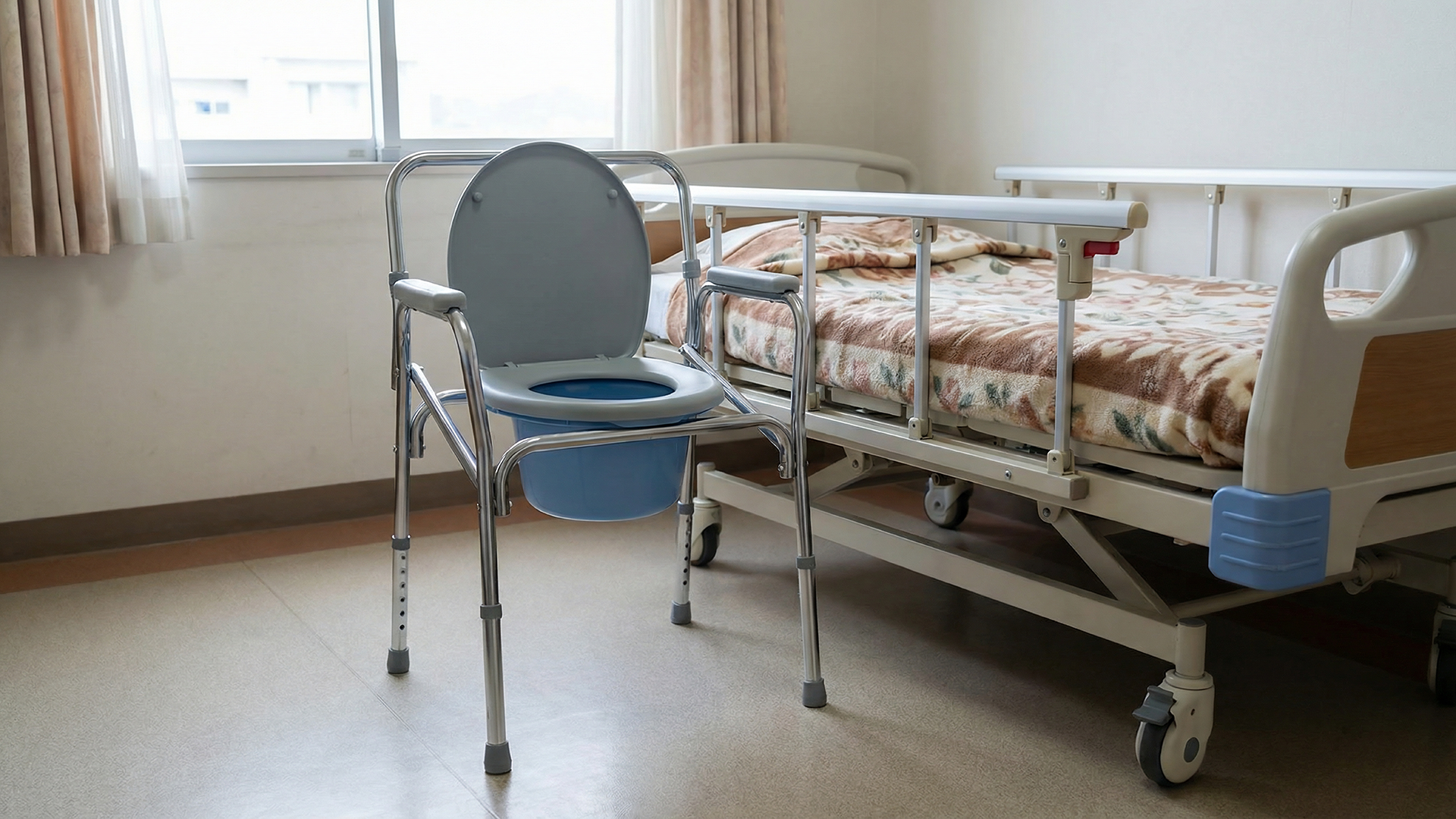
Due to the potential for psychological and physical trauma to residents and staff, these incidents flag risks that need to be addressed to ensure the safety and well-being of residents, particularly those with dementia and...
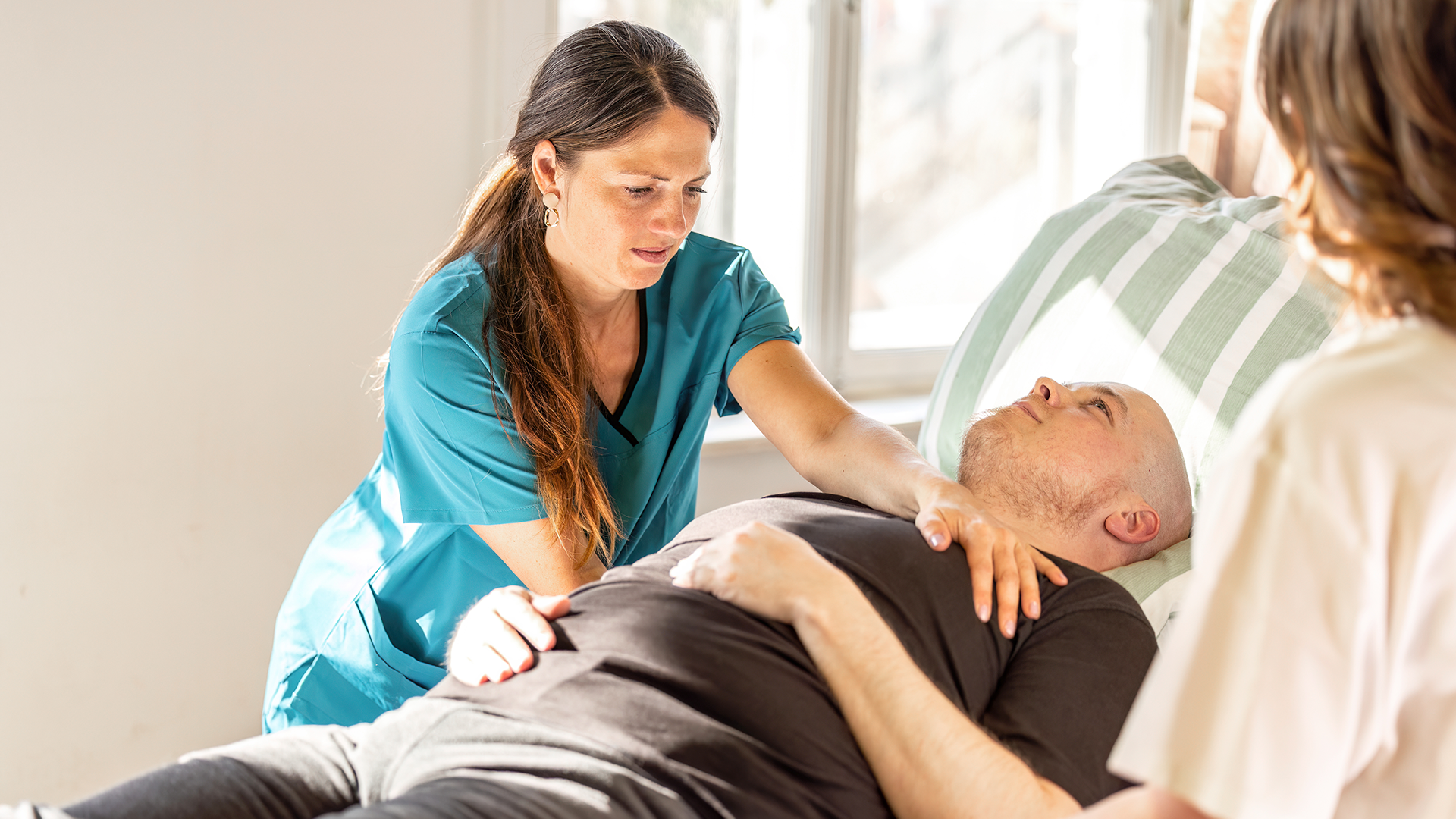
Melody Bi is a licensed practical nurse and has been a nurse supervisor for the past three years with the Greater Vancouver Community Services Society, one of the largest community care service providers.
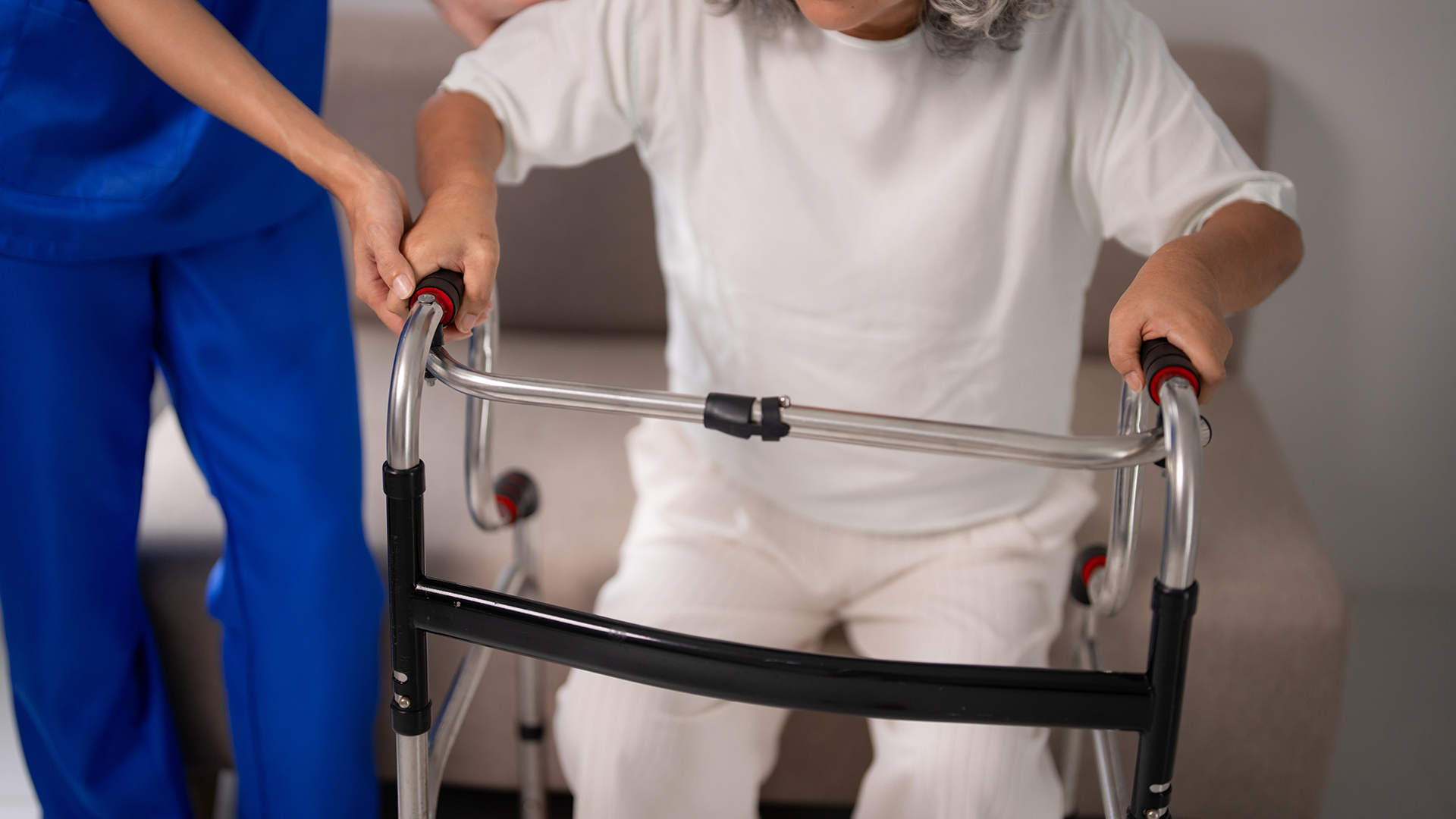
Before becoming a Licensed Practical Nurse, Lee Frederick taught for 10 years in China. So, it’s little surprise that he is now using his teaching skills in his current role as a nurse at Parksville’s...

The Provincial Safe Resident Handling Standards for Musculoskeletal Injury Prevention in British Columbia, outline an ergonomics/human factors approach to safe handling. These standards were developed by the Provincial Residential Care Musculoskeletal Injury Prevention Team with input...