The foundation for a safer workplace.
Every worker deserves to come home at the end of a shift as healthy as when they started. In continuing care, where the work is physical, emotional, and often unpredictable, getting there takes more than good intentions. It takes training that prepares workers for the real conditions they face.
Health and safety training is where a safe workplace begins. It is also the law.
Why health and safety training matters
In British Columbia, employers are legally responsible for ensuring that workers are informed, instructed, trained, and supervised to perform their work safely. Training that goes beyond compliance equips workers with the knowledge, skills, and tools to protect themselves and those around them, and it is one of the most direct ways to build a strong safety culture.
Done well, health and safety training can:
- Reduce injuries, illnesses, and near misses
- Help your organization maintain regulatory compliance
- Reduce WorkSafeBC premiums
- Build workers' confidence on the job
- Deepen the knowledge and skills workers bring to their roles
- Support retention and reduce turnover
- Reinforce safety as a shared responsibility across the workplace
A confident worker is more likely to speak up about a hazard. A team that trains together is more likely to look out for each other. A workplace that invests in learning tends to retain its people.
Training is ongoing, not a one-time event
Orientation is often where health and safety training begins, but it shouldn’t be where it ends. Training must be specific to the workplace and treated as an ongoing process.
Workers need additional training when their work changes. If new equipment is introduced, a process is updated, or new hazards emerge, previous training may no longer cover what the job requires. Keeping training current is part of keeping workers safe.
Example: A care home introduces a new ceiling lift system on a unit. Even experienced care aides need task-specific training on the new equipment before using it, regardless of how familiar they are with mechanical lifts in general.
What health and safety training can look like
Training is not one format. A well-rounded approach often combines several of the following, chosen to fit the workplace and the role.
- New hire safety orientations and department orientations set the baseline for every worker and introduce site-specific hazards and procedures.
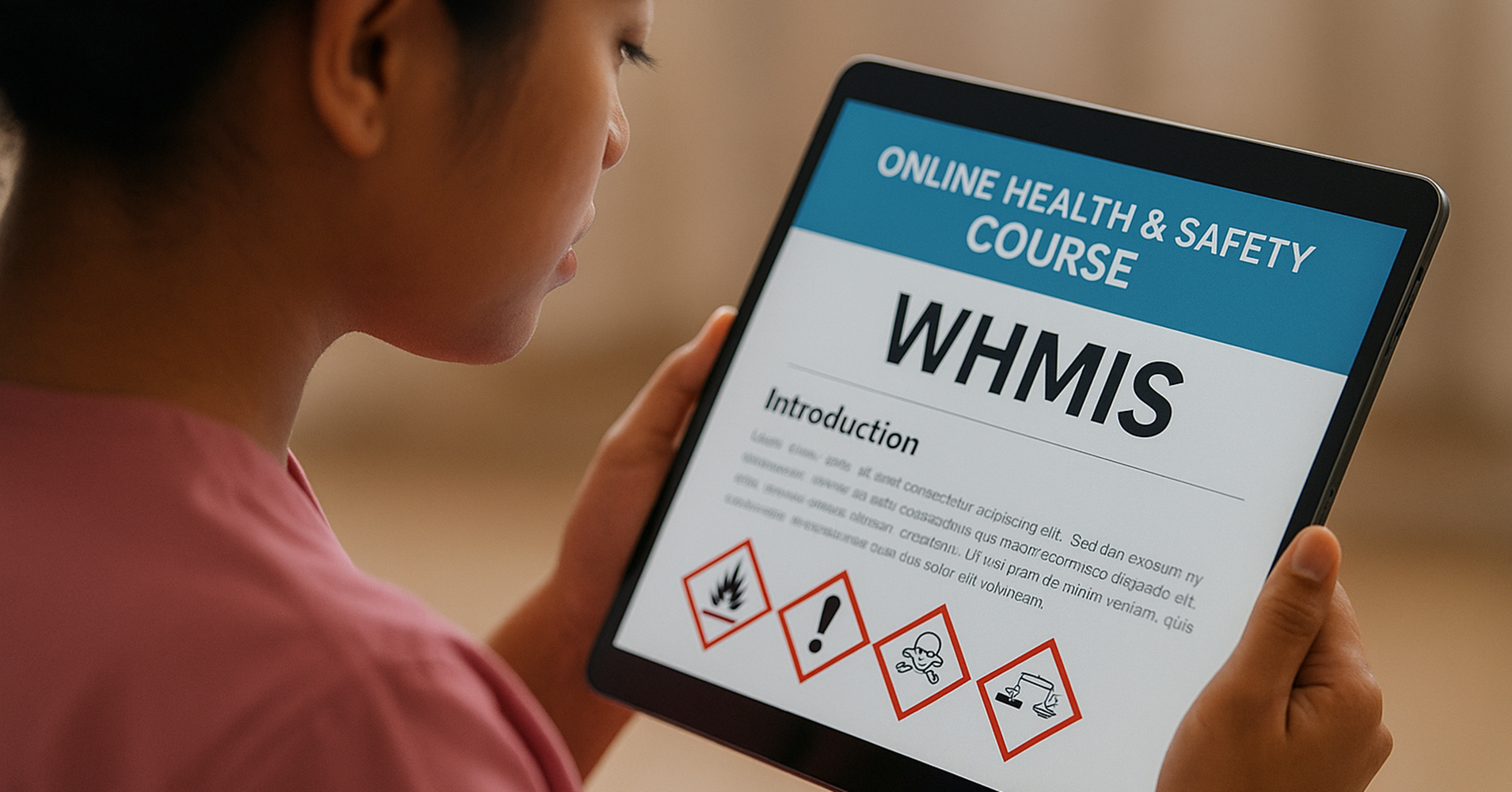
- Role and task-specific training prepares workers for the particular demands of their job, from safe client handling to chemical safety.
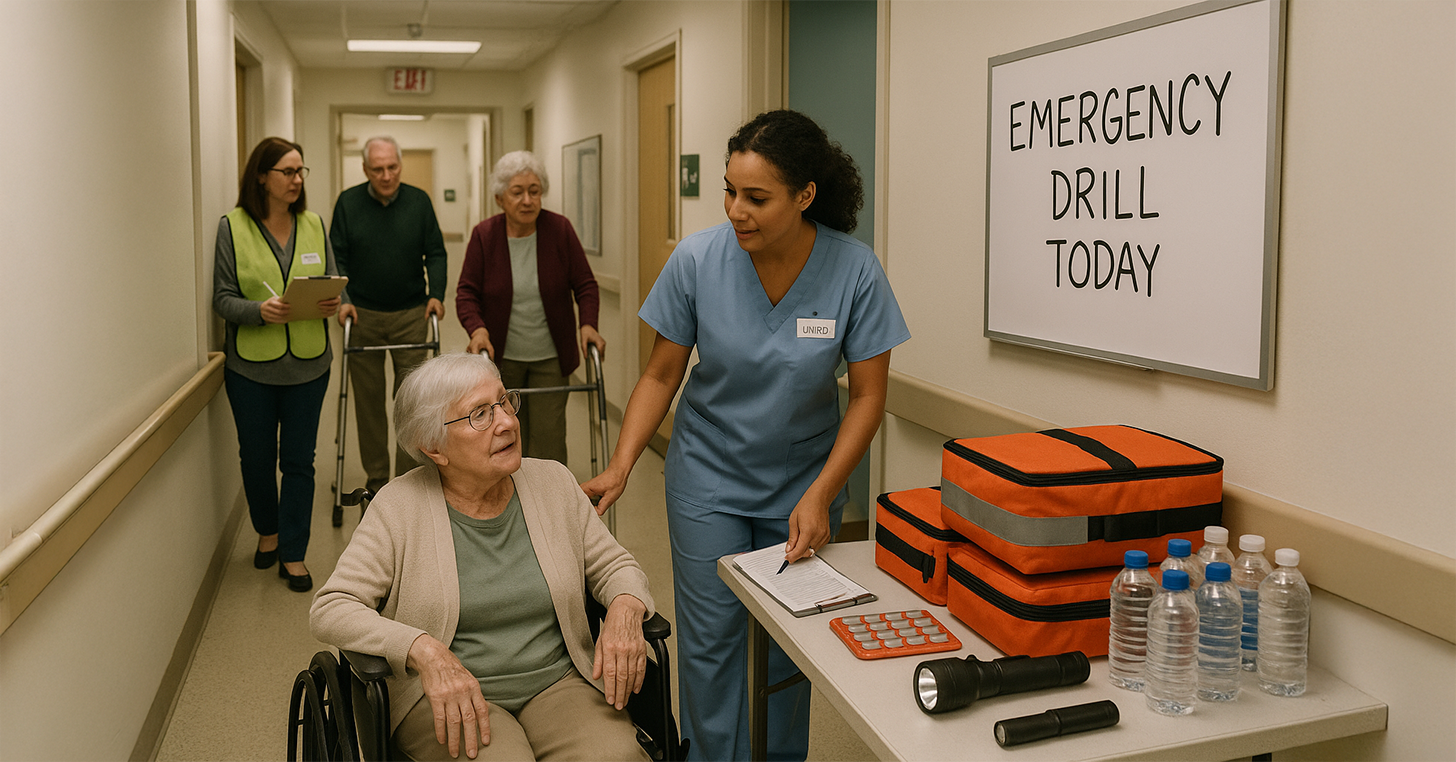
- Refresher or annual training keeps knowledge current and reinforces safe practices over time.
- Formal safety training and certification courses meet regulatory requirements for specific hazards or equipment.
- Safety huddles bring teams together for short, focused conversations about current hazards, recent incidents, or upcoming changes.
- Safety education webinars and seminars give workers and leaders access to topic-specific learning without pulling teams off the floor for long periods.
No single format does all the work.
Resources to support your training
SafeCare BC offers a range of resources designed for continuing care workplaces. Whether you are building a training program from scratch, refreshing what you already have, or looking for tools your workers can use on the floor, you will find something in the resources linked below.
If you are an employer or leader
Your legal duty to inform, instruct, train, and supervise is ongoing. Start by reviewing where training currently takes place in your workplace and where gaps exist. The orientation checklists are a good anchor for new hires. My Education Plan can help you think beyond day one.
If you are a frontline care worker
Training is not just something done to you. It is a tool you can use. Know what training your role requires, ask for it when your work changes, and bring what you learn into your shifts. If something feels unsafe and you have not been trained for it, that is worth raising.one.
Training opportunities
General Workplace Health and Safety
eLearning
Take the first step toward a safer workplace and be the reason you (and everyone around you) go home safe.
Leadership Essentials for Nurses
eLearning
Nurses play a key role as supervisors in their workplace. They have legal health and safety responsibilities and impact the psychological health and safety of their workers.
Safety Basics
eLearning
Safety Basics is a series of six, short, self-paced online courses. Think of them as mini courses that provide an introduction to the top health and safety concerns impacting healthcare workers.
Resources to support your training
SafeCare BC offers a range of resources designed for continuing care workplaces. Whether you are building a training program from scratch, refreshing what you already have, or looking for tools your workers can use on the floor, you will find something in the resources linked below.