SafeCare BC Logo
SafeCare BC Logo
Programs & Services

Programs and Services

View All
We are dedicated to providing comprehensive occupational health and safety (OHS) consulting services tailored to your needs.
View Service
Psychological health and safety, often called workplace mental health, encompasses principles and practices to foster a supportive, respectful, and psychologically safe work environment.
View Service
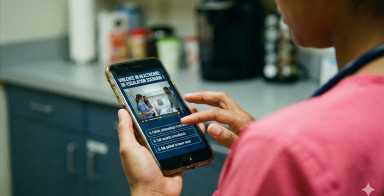
The Provincial Violence Prevention Curriculum is recognized as best-practice in violence prevention training for health care workers.
View Service
Get PSyched! - October 2024

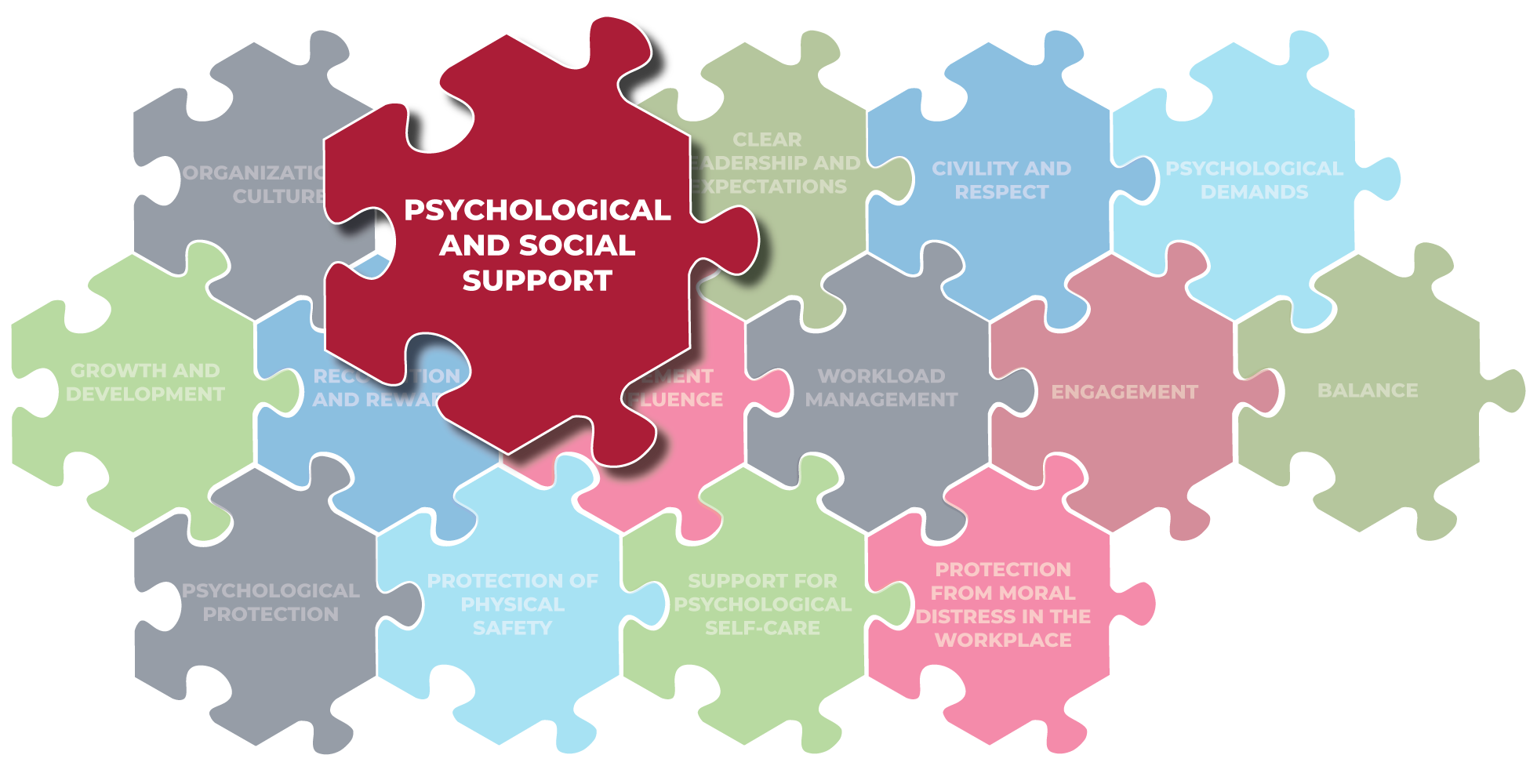
Psychological and social support

Workplace psychological safety is demonstrated when employees feel able to put themselves on the line, ask questions, seek feedback, report mistakes and problems, or propose a new idea without fearing negative consequences to themselves, their job or their career.

Workplace psychological safety is achieved when employees feel they can freely express themselves without fear of negative repercussions. This includes asking questions, seeking feedback, admitting mistakes, raising concerns, or suggesting new ideas without jeopardizing their job or career. A psychologically safe and healthy workplace promotes employees' emotional well-being and actively works to minimize threats to their mental health.

Psychological safety is crucial for numerous reasons:

  1. Enhanced job satisfaction and performance: Employees in a psychologically safe environment report greater job satisfaction and improved performance.
  2. Encourages open communication: It fosters an atmosphere where employees feel comfortable speaking up and getting involved.
  3. Boosts morale and engagement: Employees are more engaged and less likely to suffer stress-related illnesses.
  4. Reduces workplace issues: Such environments experience fewer grievances, conflicts, and liability risks.

In contrast, the absence of psychological safety can lead to:

  • Employees feel demoralized, threatened, disengaged, and strained.
  • Perceptions of workplace conditions as ambiguous and unpredictable.
  • Potential undermining of shareholder, consumer, and public confidence in the organization.

Scavenger hunt

Kindness Counts

Filter

Psychological and social support resources

Resource Types

Resource Post Type Filter
  • Safety Huddles (4)
  • Web links (4)
  • Posts (3)
  • Webinars (2)
  • Safety Topics (1)
  • Templates (1)

Audiences

Resources Audince Filter
  • All Audiences (8)
  • Home Care and Community Health Support (2)
  • Long-term Care (2)
  • Non-clinical areas (2)
Post

Communication in practice

PHS Days

Effective communication is a daily practice, not perfection! Learn how small shifts in language can transform your workplace connections starting today...

Post

Building safer spaces

De-escalation, Engagement, Growth and development, Organizational culture, Protection of physical safety, Violence Prevention

“When I saw the participation rate, which was way above 90 per cent of our care staff who took the training, I thought, okay, there is something here,” says Loren Tisdelle, human resources director at Louis Brier...

Info Sheet

Words matter

Civility and respect, Communication, Organizational culture, PHS Days

Workplace communication improves when teams use strength-based language, I statements, objective words, and curiosity to build trust.

Info Sheet

The power of "I" statements

Civility and respect, Communication, Organizational culture, PHS Days

“I” statements help shift difficult conversations from blame to connection. By focusing on your own feelings, the situation, and its impact, you can reduce defensiveness, improve understanding, and build healthier communication habits at work and...

SafeCare BC Logo
©2026 SafeCare BC | All rights reserved.
To empower workplaces that provide care to create a culture of safety through evidence-based education, advocacy for safer workplaces, leadership, and collaboration
cross