An interview with a Psychological Health and Safety Pilot Project participant
It is easy to think everything is fine when work gets done on time. The schedules were on track, but the mood in the building told a different story.
A workplace without psychological safety is a place without a human heart. People come to work and leave like ghosts. There is no energy, no care behind the tasks. No one speaks up, asks for help, or admits mistakes.
In care work, that is incredibly dangerous.
It affects not just staff, but also the residents they are supposed to protect. Psychological safety is what brings meaning back into work. It is what allows teams to notice small problems, step in for each other, and provide the care people truly need.
At one long-term care home, this tension became clear during an accreditation survey, which revealed that areas such as psychological wellbeing, harassment prevention, and engagement were weaker than expected. Leadership realized that small gestures, such as appreciation meals or recognition awards, while meaningful, were not enough. Acknowledgment could not fill the gap. What mattered was real support and a space where their voices could be heard.
At the time, the team was already showing up. They were logging into SafeCare BC webinars, asking questions in workshops, and looking for something that might help shift what they were seeing on the ground.
In October 2024, while attending the Enhancing Psychological Health, Wellness, and Resilience workshop, something clicked. They learned about the Psychological Health and Safety Pilot Project.
The Psychological Health and Safety Pilot Project is designed to support long-term care organizations in strengthening psychological health and safety in the workplace. Through coaching, practical resources, and structured guidance, the pilot helps teams better understand survey results, identify areas for improvement, and take meaningful steps toward building safer, more supportive workplaces. Realizing it could provide expert guidance at a critical moment, they decided to become the first organization to participate.
It felt like a way forward because the pilot meant they would not have to navigate the challenges on their own. They were paired with our Psychological Health and Safety coach, Sheila Fauman, who could help them unpack the workforce survey results and turn what felt overwhelming into something clear, practical, and actionable. After their first virtual meeting with their coach, the conversation moved beyond numbers on a page. Together, they unpacked what the survey results meant in their day-to-day work. They talked honestly about pressures, gaps, and what it felt like on the floor. It was the first time those realities were named out loud and met with practical support.
Sheila worked side by side with leaders and staff to understand their challenges, explore the survey results, and put actionable steps in place. Policies were updated to clarify expectations, responsibilities, and the handling of concerns. Staff received education and guidance to understand how they could contribute to a psychologically safe workplace.
One of the first steps was forming a working group with managers and frontline staff. This small group became the heartbeat of change. Different voices, experiences, and perspectives came together to create richer conversations and stronger solutions.
Along with our free resources and tools, including policy templates, webinars, and online forums that guided action planning and implementation, the Leaders Health and Safety Forum gave them a chance to connect with leaders from other organizations, exchange experiences, and learn new approaches to psychological health and safety.
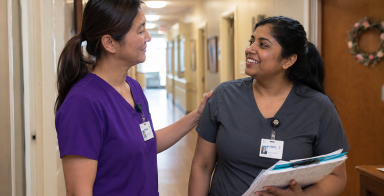
One frontline leader involved in the pilot noted “the most valuable skill healthcare assistants bring is the ability to connect with people. When staff feel heard and supported, it changes the way they work together and the care they provide.”
Over time, the changes became part of their everyday.
Leaders reached beyond their own walls. Through webinars, shared tools, and the Leaders Health and Safety Forum, they sat in conversations with others facing the same pressures. They heard what had worked, what had failed, and what they wished they had tried sooner. Those exchanges sparked new ideas and gave them the confidence to bring fresh approaches back to their own teams and put them into action.
Through the pilot, leaders noticed real shifts in the workplace. Staff were more willing to speak up, share concerns, and ask for help, and team conversations became more open and collaborative. Small actions and changes started to make a difference in day-to-day work.
The pilot showed that real change begins when people stop carrying fear at work. When people are truly seen, the small acts of care they offer gather weight, whispers of concern become voices that can’t be ignored, and the workplace stops being a place that grinds you down. It becomes a place that holds you when you stumble, bears the weight you cannot, and reminds you that the work and you matter more than you ever realized.